

















Luke Pargeter on why winter outdoor play is vital.
Outdoor play at schools is essential to improving an escalating crisis in child health. Children are suffering ever-shrinking access to outdoor spaces. With most UK children now spending much less time outdoors than previous generations, this could pose challenges to their physical and mental health. Schools are uniquely positioned to offer access to outdoor space and may even be the only opportunity some children get through the week. This challenge becomes even more evident in winter as nights get longer and the weather drops, meaning most children play outside less after school is finished.
While there are different challenges to consider with SEND children, the need for strategies focused on their physical and mental health is essential to creating a supportive and constructive environment for them in schools. Adopting an always-out play policy in a way that carefully considers the risks and can be clearly communicated to school staff and parents could be a way to encourage more outdoor play even during the colder months.
The value of outdoor play for SEND students
For all children, outdoor play provides benefits to children’s physical health, cognitive development, social skills, emotional well-being, and creativity. It promotes independence, and resilience, improves gross motor skills, and encourages problem-solving and self-regulation. Natural settings can reduce stress and anxiety, while offering opportunities for peer interaction and role-playing, enhancing social skills and communication. For SEND children, outdoor play has additional benefits, such as sensory relief from classroom stimulation, relationship-building opportunities and the freedom to develop social and physical skills without the perceived stress or pressure of class time. With accessible spaces and tailored activities, outdoor play promotes inclusion, boosts mental well-being, and provides therapeutic benefits, making it an essential part of SEND children’s development.

Challenges faced by SEND professionals in poor weather conditions
In an SEND environment, there is often a need for structured and unstructured play to support children in different ways. In poor weather conditions, there may be less useable outdoor space which could restrict the availability of activities. Some children may also have different physical needs, making them more susceptible to accidents in poor weather conditions. In a SEND school environment where each child has unique needs, organising and monitoring children during break times can become an even greater challenge when poor weather is considered.
Creating an intuitive policy and robust risk assessment
With so many different physical and mental needs to be accommodated, a carefully considered risk assessment is going to be an essential part of an always-out play policy. It is important to observe, consult and plan before completing your risk assessment to make sure multiple opinions and viewpoints are considered as early as possible. Additionally, each child with SEND should have their own risk assessment detailing outdoor play. Children with SEND often have unique physical, sensory, cognitive, and emotional challenges that may require tailored precautions. A personalised risk assessment allows teachers to identify potential hazards related to mobility, sensory sensitivities, medical conditions, or behavioural responses, ensuring that outdoor play is safe and accessible for each child. It also helps in planning appropriate support, ensuring all students can engage in outdoor activities in a way that promotes their development while minimising risks.
Observing children’s behaviour on the playground during better weather conditions will help you plan for how to use outdoor space when the weather is worse. Ask multiple members of staff to observe during their duty and record their observations individually before sharing their findings to prevent influence from each other. Observing outdoor spaces during rain or snow also highlights the most dangerous areas or places where outdoor play isn’t possible.
It’s also useful to engage staff and parents to hear their opinions on outdoor play during winter. With the unique nature of special education needs, understanding parents’ concerns will help you address these when completing the policy and develop answers to frequently asked questions to ensure buy-in from parents. When creating the risk assessment, establishing clear expectations for when outdoor play is acceptable and when it isn’t will help embed the policy across the entire organisation. Using measurable thresholds like the amount of rainfall, wind speed or temperature standardises the policy so it can be followed in the same way by all staff.
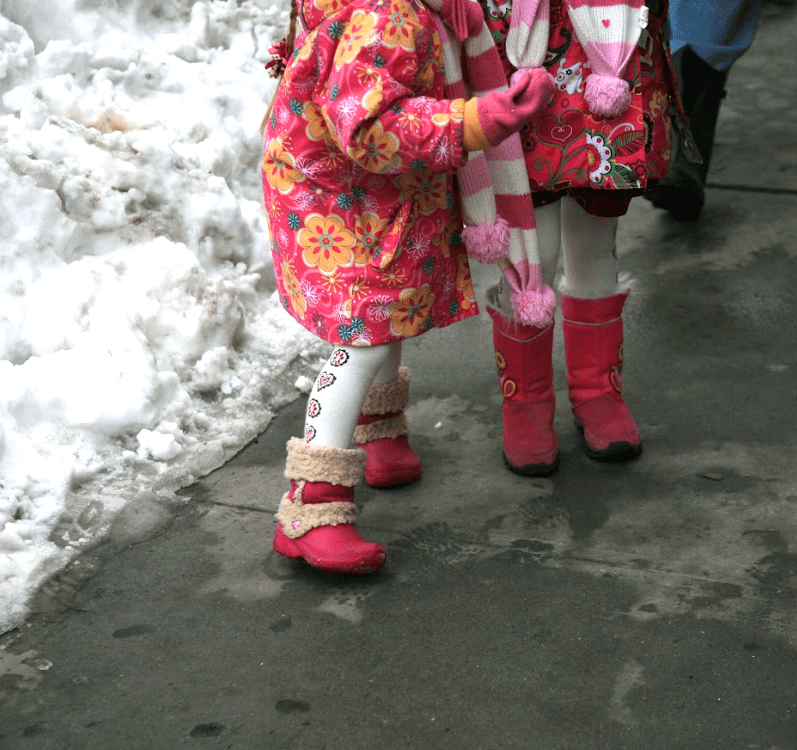
Safety compliance is essential when creating a new outdoor play policy. Slips, trips and falls are the most obvious safety issues children might face during wet weather but staff will also need to consider temperature in this policy to protect children’s health, particularly in an SEND environment where children may be less able to identify or share how they’re feeling.
Outlining clothing requirements and sharing expectations with parents will ensure children are still able to participate in outdoor play during weather conditions like snow or rain but staff will also need to be able to identify concerns relating to exposure and understand what to do if there is a problem.
Communicating the policy to teachers, lunchtime supervisors and parents
In addition to involving stakeholders during the early stages of planning the new policy, it’s key to roll out the policy to school staff first before sharing it with parents. This allows staff a last opportunity to clear up any concerns so that when the policy is launched, everyone is on the same page.
When the policy is communicated to parents, be clear about the risk assessment process, what thresholds the school will be observing and what is required of parents during poor weather. Make sure there are multiple touchpoints with parents so that the messaging is clear and consistent. For example, share it with the children, discuss it directly with their parents and have details of the policy online to refer to.
Time outdoors has invaluable benefits for children and, with SEND children typically getting less time outdoors than other children, school plays such an important role in changing this. Taking an always-out approach that pays close attention to the health and safety of children while communicating the benefits clearly to staff and parents is a vital step that decision-makers at SEND organisations should be taking this winter.