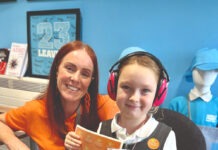








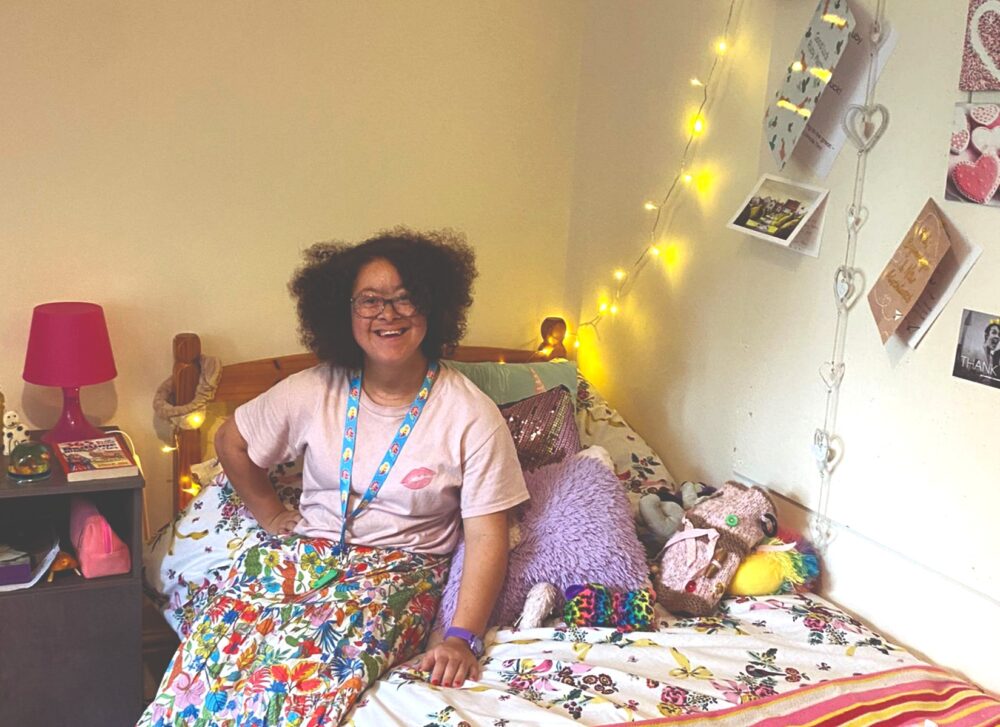
Marcia Squire-Wood tells the story of her daughter Ruby, who is now a fully-fledged twentysomething.
Once upon a time, a kind portage worker gave me a book. It was about Ruby, a little duckling who struggled to keep up with her siblings, until one day she too flew off to become independent. The book gave me hope to dream of a better future for our Ruby. And now our Ruby has flown, too.
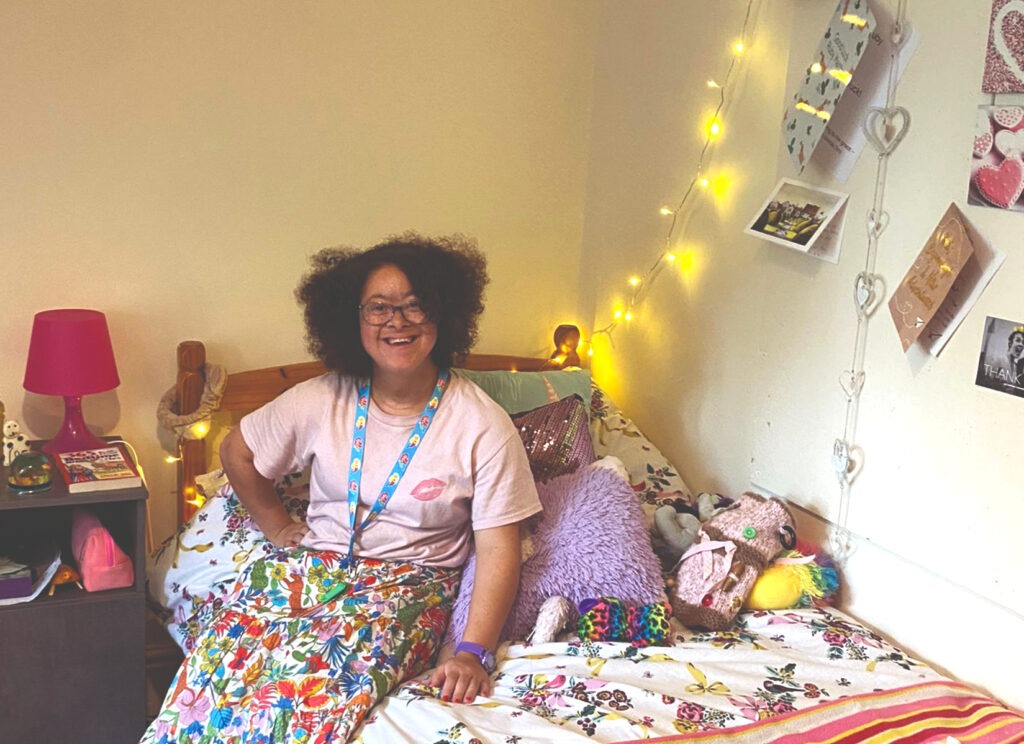
When Ruby was born on the bathroom floor nearly twenty-one years ago, I recognised the signs of Down Syndrome with apprehension, but it was love at first sight. Ruby and I spent five days in hospital as we waited for a final diagnosis from the paediatric consultant. I recall the day well. My husband and our young son Jacob were having a family picnic on the hospital bed. It was a joyous moment as the stresses of an unexpected home birth had been traumatic, and I was away from Jacob for the first time. I’ll never forget when the doctor delivered the news that Ruby had Down Syndrome “Trisomy 21”, left some leaflets and told me that the baby would be expected to attend a child development appointment. This experience brought me and my husband closer together, and we vowed to support each other in our attempts to raise our children.
Our lives changed forever from that point onwards, and our family has learned so much from the challenges that we faced with Ruby over the next years. Ruby became a middle child when our third child, Connie, was born. According to Ruby, Connie is the Most Amazing Little Sister Ever.
We had to get used to a stream of professionals coming and going from our lives, and we navigated endless hospital appointments to ensure that Ruby’s health needs were monitored and met. We had, and still have, high expectations of all three children, and it became evident quite early on that society did not expect the same for Ruby. It’s important for me to remember the positive elements of Ruby’s journey to independence, and our struggles to ensure that she was given her opportunity to thrive in society as a young adult with learning difficulties. Throughout her life we have consistently championed her rights. As a result, she had an inclusive education in mainstream school until the age of seven, when it became clear that the educational gap meant she struggled to achieve the same milestone as her peers. Speech and language input was essential to enable her to access the curriculum confidently. We found inclusive provisions in the community that ensured her safety. We ensured that she had input from social workers at key timescales when her EHCP was being reviewed. We developed a relationship with our local MP, as the local authority cutbacks inevitably saw Ruby being denied transport at certain points in her education. She had timely assessments that did not impair her ability to access employment and residential placements. We championed her right to be seen as a young person who was entitled to services which would enable her to thrive as a valuable adult in society. And we created a wide social network through mainstream activities to encourage socialisation
Over the years, Ruby indicated that she wished to live away from home, and as parents this worried us because we were aware that most communities are not safe spaces for adults with learning difficulties who are additionally vulnerable. However, we had to acknowledge that we had brought her up to be confident and to believe in herself. We wanted to encourage her to have a life in the community that was not micro-managed by us and not dependent on us or her siblings as she got older.
This was the most time-consuming task as we travelled up and down the country to find the most appropriate employment and residential placement for Ruby that met the needs outlined in her EHCP. This proved to be our biggest challenge as we navigated professionals, systems and procedures that required us to remain determined and focussed as we advocated on Ruby’s behalf. As Social Workers, this enabled us to challenge assessments and hold the various departments to account for their professional decision making that saw them initially deny Ruby her first choice of attending an employment and residential placement in Somerset. During this process we were mindful of Ruby’s emotional wellbeing and the need to have certainty regarding her future.
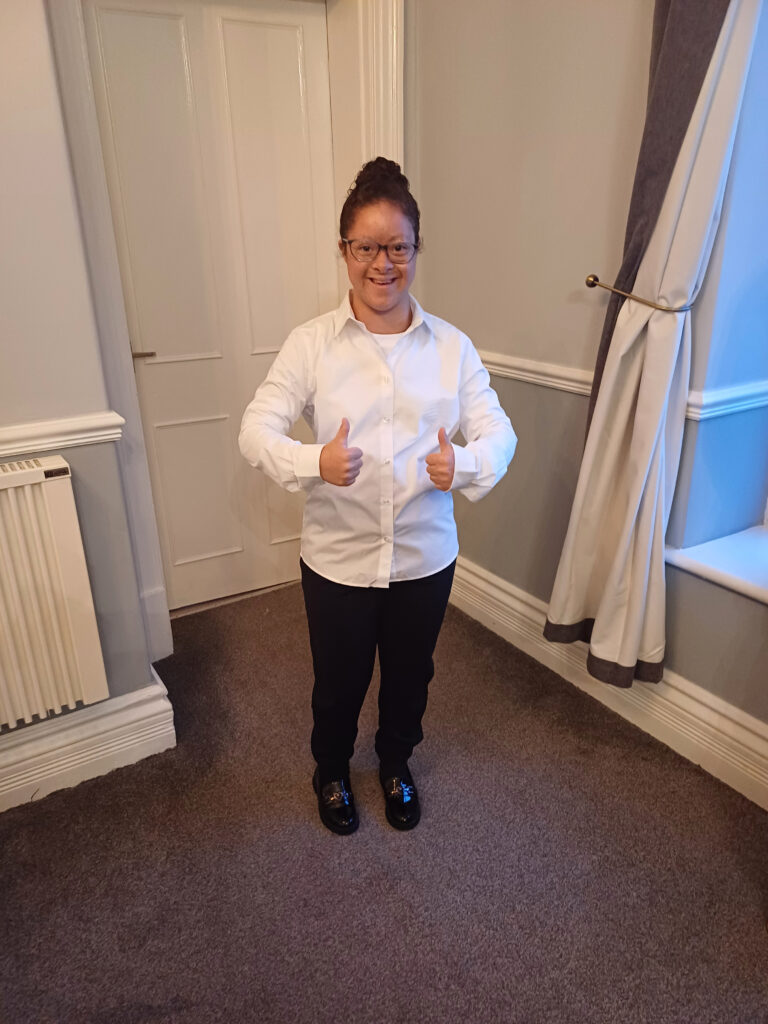
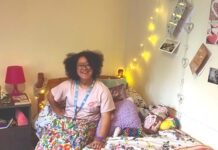
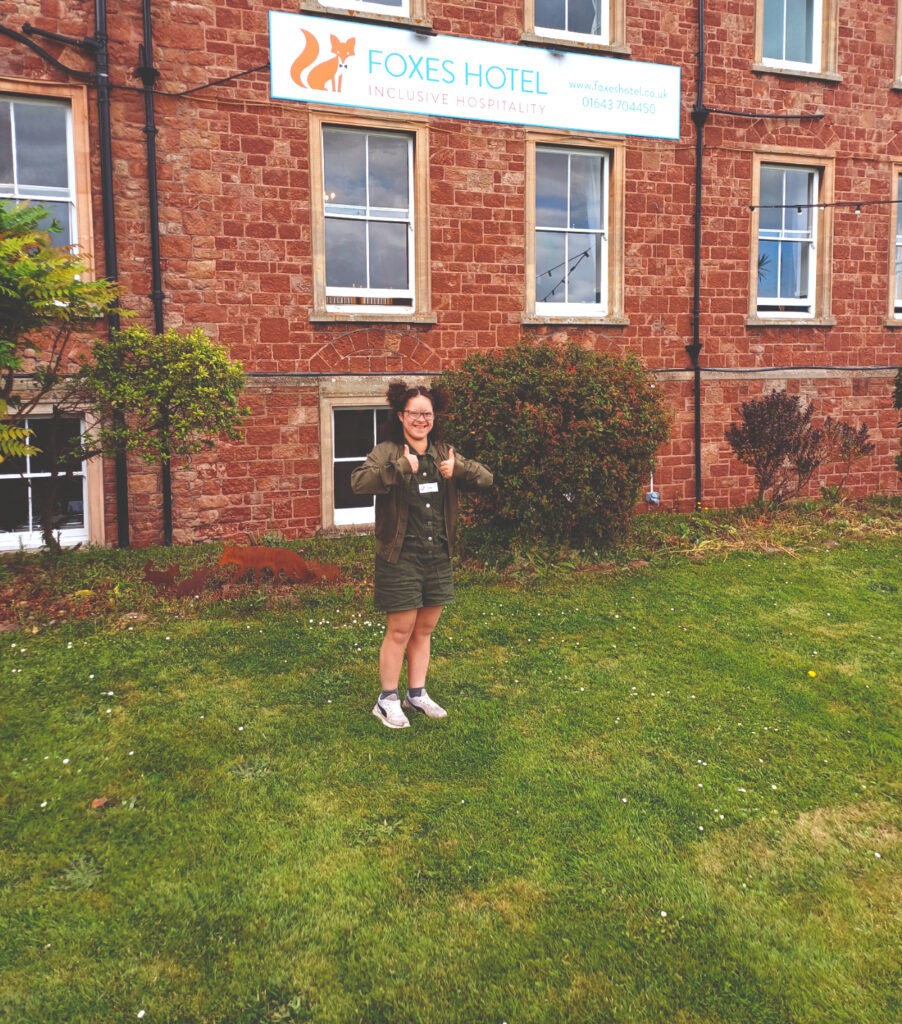
After a lengthy battle, which included challenging through the appeals process, Ruby was finally offered a three-year placement at Foxes in Minehead. She is in a community that welcomes adults with learning difficulties, and she will attain a vocational qualification in hospitality and hopefully move on to employment in the future.
Here are some of Ruby’s achievements since she started at Foxes in September last year: she’s been awarded six House Role Model certificates, a Functional Skills award and the House Champion award. She has a house key, enabling her to live independently with staff support. She’s been assessed by staff to walk independently and safely in the community. She has a friendship group that she socialises with, going to local shops. She is now able to use her mobile phone sensibly, seeking advice appropriately. Her self esteem has grown as she navigates a new environment away from family. And she is conquering homesickness (she has the biggest smile on her face when we have our evening catch up on the phone). It’s hard to believe what Ruby and we have achieved as a family. The struggles over the last two years still feel raw, yet worthwhile.
We never envisaged that Ruby would be our first child to leave home, and we will always be grateful to all the professionals along the way who empowered her to achieve physically, cognitively, linguistically, emotionally and socially. Ruby leaving home has impacted us all in the Squire-Wood household, and she leaves a huge vacuum, that we are each still processing in our individual ways. There is less sparkle and less dancing, but we are proud parents who want to inspire other parents never to give up on your dreams and continue to be your child’s strongest advocate.