

Meg Beaumont on museum visits for families and children with additional needs.
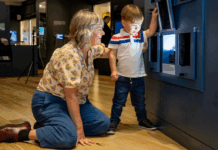
Museums can be brilliant places for children with additional needs to interact with unique objects and explore different themes and ideas in a flexible learning environment. With a wealth of different exhibits to discuss, museums can also facilitate low pressure social interactions. Below are some examples of best practice in museums which have won or been shortlisted for awards by the charity Kids in Museums.
Cooper Art Gallery in Barnsley knows that detailed pre-visit information to allow families to plan their visit is key to being accessible. Their comprehensive access guide for visitors with additional needs covers vision, visual stories, links to audio descriptions and Makaton videos, venue photos, and 360˚ tours of the main gallery and temporary exhibitions.
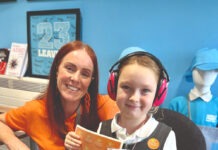
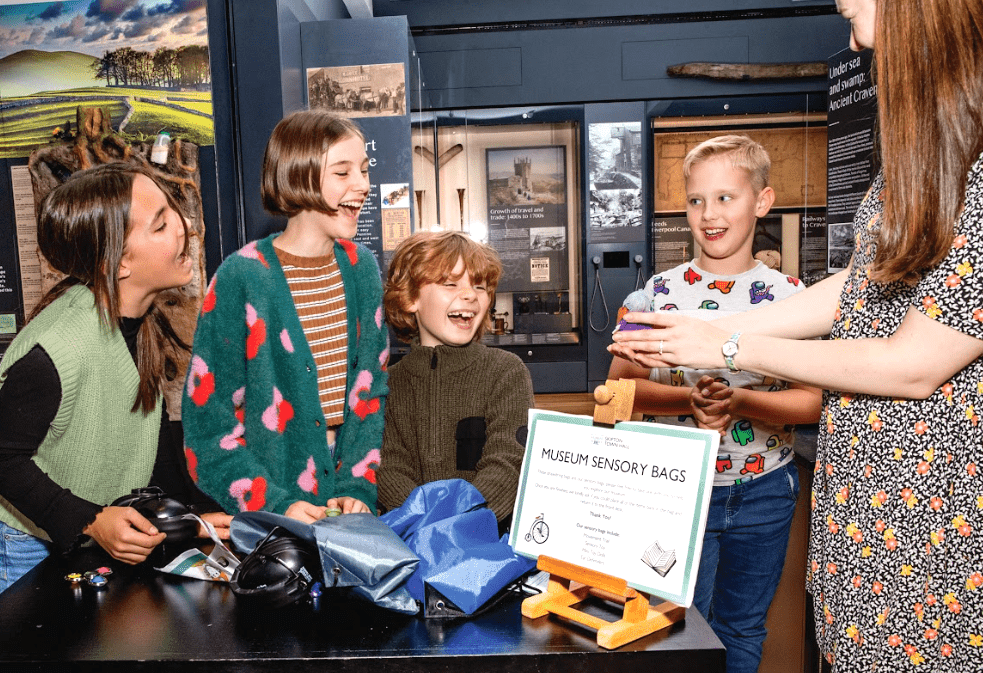
Sensory backpacks are growing in popularity as a way to help children with additional needs explore on a museum visit and offer additional sensory support. At Maidstone Museum, each backpack contains a glove puppet, magnifier, ear defenders, fidget toys and a visit planning board, and a map of the museum. A PECs style visit planning board helps children to independently plan their time in the museum.
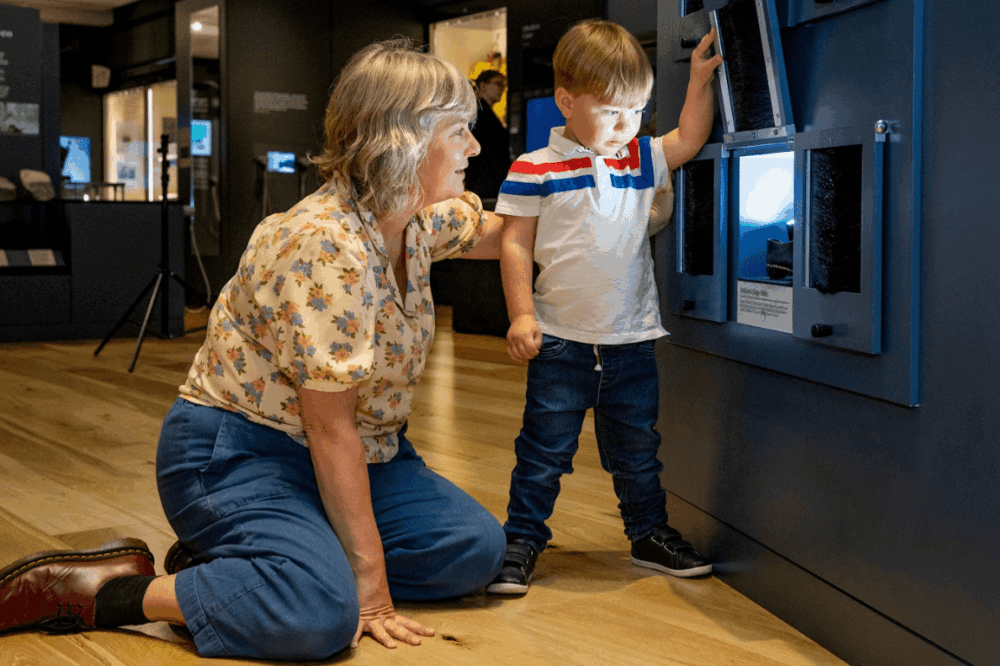
Many museums provide interpretation to suit different communication styles. Wakefield Museum includes large print text for all displays and exhibitions, and all video content is subtitled. The museum also includes Makaton interpretation across their permanent and temporary displays and exhibitions. At the Egypt Centre in Swansea, public interactives are all at wheelchair height and focus on sensory engagement.
As an example of inclusive programming, the Egypt Centre in Swansea holds monthly Quiet Openings when the air-conditioning and distracting interactives are turned off. The galleries are kept at a low light, but the lights are turned up for this event. This is a free, bookable event to ensure that the galleries are not crowded. They also have a dedicated page on their website giving specific information for autistic visitors, including social stories for family visits and school trips.
Craven Museum in Skipton recently went through a National Lottery funded redevelopment that put accessibility at its heart. Staff worked closely with the architects, museum designers and local community groups, including Craven Disability Forum, with the aim to meet, and where possible, surpass accessibility standards. All changes were made with accessibility for all in mind. Improvements include wheelchair friendly lifts, a Changing Places toilet, hearing loops, and audio-visual aids for the museum displays.
Many museums now recognise the importance of providing training for front-of-house staff and volunteers. At the Postal Museum in London, staff are trained to guide visitors to quiet break-out areas when needed. Ongoing training for staff and volunteers, including Disability Awareness, Understanding Autism and Visual Awareness training, ensures that staff members are well equipped to support people with a range of requirements.