





















Patryk Flissikowski on the role of Intensive Interaction in fostering secure attachment.
When we support neurodivergent children and young people, it is essential to understand that emotional, social and communication development form the very foundation of their growth. From the earliest stages of childhood, we can begin to discover the roots of trust, connection, and self-understanding which are vital for development. Children and young people need a responsive adult: someone who listens, observes and truly cares. These roots can grow in powerful and transformative ways through the fostering of secure attachments.
We must also recognise that neurodivergent children may not always express themselves in typical ways, as social, emotional and communicative expression can be challenging. However, this does not mean they are not reaching out to be heard. In their own unique ways, these children are always seeking positive connection and understanding. Our responses help them feel seen, heard and accepted, rather than misunderstood or rejected.
There are moments when the beauty of trust and connection shines through: a child fully engaged in an activity, sharing eye contact and laughter with an adult, or joyfully repeating a word like car after selecting a toy from the Attention Bucket. These are powerful indicators of a child’s growing sense of trust in the adults around them. Hence, there are moments that remind us of how fragile that trust can be, by witnessing a neurodivergent child sitting alone on the carpet by being separated from peers with soft tears on the cheeks. This child was unable to join the drawing activity or even attempt it, as the adult was occupied supporting others and had not yet approached this child. This absence of connection led to feelings of isolation and emotional withdrawal. In that moment, the lack of secure attachment was deeply felt—a clear reminder of the support the child needed and was still waiting for.
From observation to connection
Intensive Interaction is a gentle and person-centred communication approach that supports neurodivergent children and young people who may find social and emotional communication challenging. At its heart, it’s about building connections in creating shared and meaningful moments through eye contact, facial expressions, vocal sounds, gestures and turn-taking. It mirrors the way infants naturally begin to connect with adults and peers in their earliest relationships. This approach is especially powerful for building secure attachment, because attachment doesn’t grow from instructions or routines—it grows from warm, responsive and emotionally-attuned interactions. When an adult slows down, notices a child’s signals and responds with kindness and presence, something important begins to happen, for instance a trust is forming as there is a sense of connection and understanding which is well shared between a neurodivergent student and adults.

The first step in Intensive Interaction is Observation. Adults need to give focused and consistent attention to watching a neurodivergent child or young person without interrupting or intervening. This careful observation helps identify the child’s behaviours, emotions and communication—both verbal and non-verbal. Through this, we learn what the child likes or dislikes, what sparks their curiosity, and how they engage with the world around them. For example, a child might gently rock, hum softly, or repeatedly play with the same object.
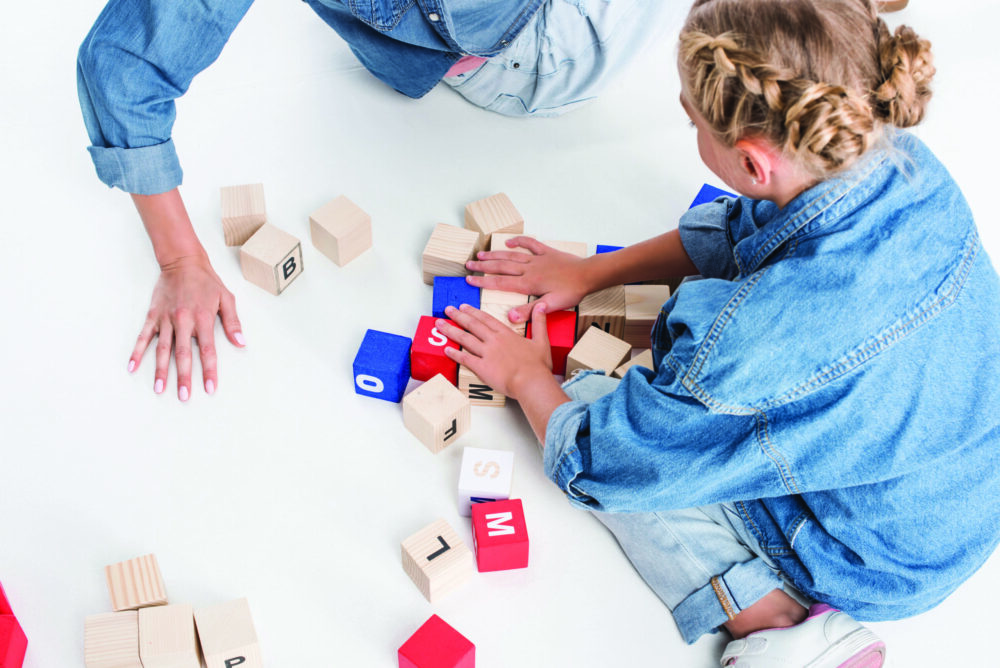
The second step is Slow Joining. After carefully observing the child or young person, the adult gently and slowly joins them in the same activity without changing or interrupting what the child is doing. This often involves mirroring or copying their actions, sounds, or expressions. The goal isn’t to take control, but to quietly say I see you, and I’m right here with you. For example, if a child is tapping a block, the adult might tap another block in a similar rhythm, creating a shared moment of connection.
Thirdly, it’s important to create Shared Patterns, where adults have the opportunity to interact with a child or young person. This can include turn-taking, mutual sounds, or mirrored gestures. These interactions form a kind of wordless conversation—a back-and-forth exchange that the child begins to recognize as shared and meaningful. For example: the child claps twice and the adult claps twice in response. This repeats, becoming a game.
Another step is known as Following Child Lead. Here, the young person is fully responsible for leading the adult into the activity by being in control of any interactions which are taking place. If there is a change of action, just follow it. If there is a pause, do the same pause. In fact, this develops just because the young person learns that their cues matter and will be respected.
If this step is followed successfully, adults can begin a process known as Emotional Signals. In this stage, adults are encouraged to engage children or young people in exploring emotions through the use of voice and facial expressions. For example, laughing to express happiness or making crying sounds paired with actions to represent sadness. The goal is to observe how the young person responds to these emotional cues. It’s also important to attune to and follow the emotions they express in their own way. This emotional attunement helps build a secure connection, letting them feel safe, valued and understood.
Lastly, there are moments when a child or young person begins to bring the interaction to a close. This step is known as the Positive Ending Moment. You might notice the child walking away, turning their body, or gently moving your hand aside—clear signals that they are finished. It’s important for adults to respectfully acknowledge this and allow the moment to end calmly and without pressure. By doing so, we help the child learn that interactions are safe, predictable, and always within their control. For example, the adult might simply say, That was lovely—thank you,and smile warmly as the child moves.
When supporting neurodivergent children through Intensive Interaction, it isn’t about trying to fix or direct them—it’s about truly connecting with them. It means slowing down, stepping into their world and taking the time to really listen—not just to words, gestures, sounds but any small powerful signals they give. As this is done, there is a great magic taking place as a child begins to feel seen, respected and emotionally safe.
Overcoming adult fears
Some people express concern when it comes to using Intensive Interaction with neurodivergent children, especially children who may communicate through behaviours that are seen as unpredictable or challenging. I’ve been asked questions like Aren’t you afraid for your own safety? or What if I don’t want to be grabbed or pinched by this child? and Why should I risk getting hurt?. These questions are honest, and they come from a real place of vulnerability. For some adults, the idea of stepping into a child’s emotional world, especially when that child expresses distress or connection in physical ways can feel overwhelming or even frightening. There’s a fear of losing control—of not knowing how to respond, or being misunderstood in the process. These concerns are valid and deserve space in the conversation as they highlight the need for greater understanding, support and training around the principles of Intensive Interaction and the nature of secure attachment. There are ways to help adults feel more confident and stay safe while still building a relationship:
- Set clear, kind boundaries with your body language or voice—without rejecting the child.
- Try to understand the child’s behaviour. Sometimes grabbing or pinching is their way of communicating or managing big feelings.
- Look for early signs that a child is feeling overwhelmed, so you can give them space or change how you interact before things escalate.
- Talk with others about your experiences. Sharing and reflecting helps build confidence.
When adults feel calm, supported and prepared, they’re more likely to stay connected rather than pull away, and when children feel accepted and safe, their behaviour often becomes more settled. It’s all about building trust—one small step at a time.