








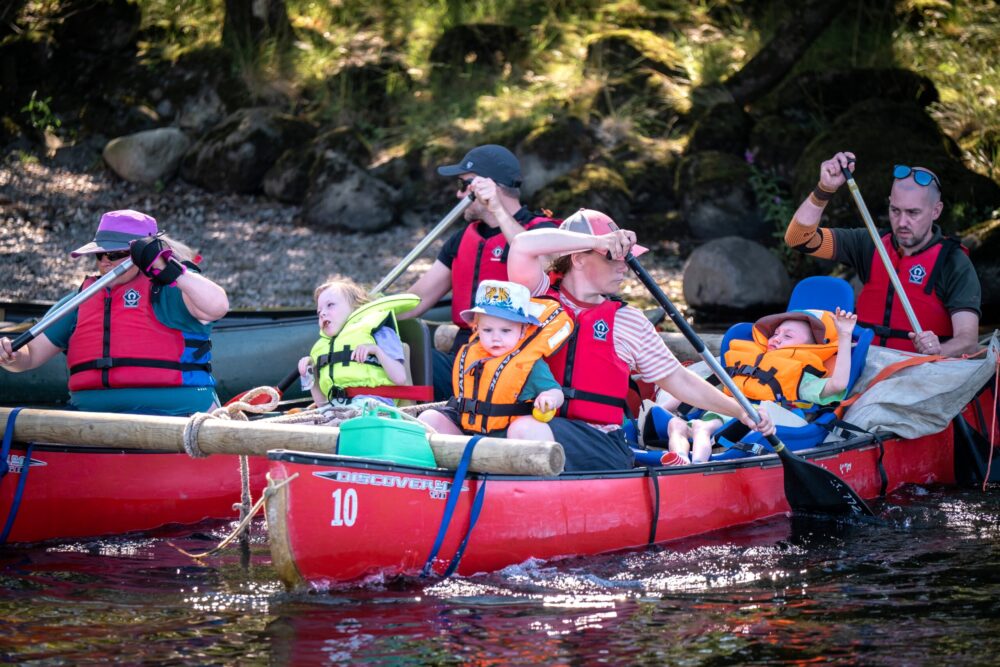
Outdoor adventure and residential activities are not a luxury—they are an essential part of learning and development, says Sean Day.
Outdoor activities teach essential skills, resilience, independence, and they provide a connection to nature. For young people with SEND, these experiences can shape aspirations and open doors to a more confident and fulfilling future. Adventure should never be limited by ability. With the right support, the outdoors belongs to everyone.
Imagine a classroom without walls. Where learning happens on a lake, or in a forest, or halfway up a climbing wall. These experiences are not just enjoyable, they are transformative. The multisensory outdoor environment offers constant beneficial stimulus. Young people are more alert and engaged, with reduced anxiety, increased focus, and active participation in hands-on, experiential activities. Natural settings present a new context for pupils to demonstrate abilities such as confidence, independence, bravery and problem-solving skills at their own pace. Often astounding those around them with what they can do.
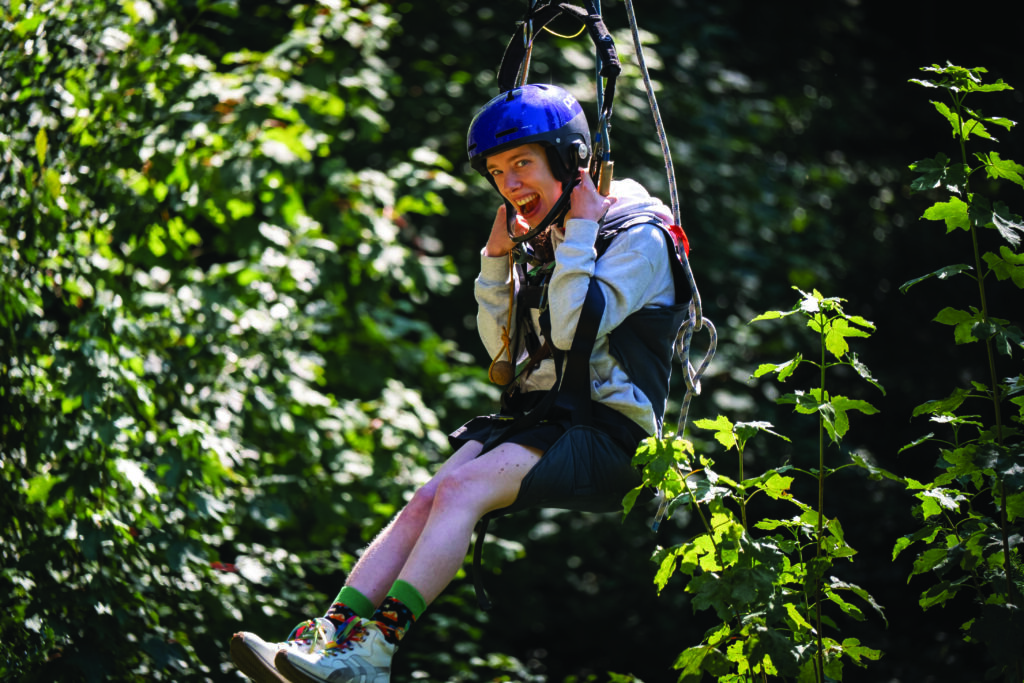
Outdoor learning encourages communication, teamwork, and social interaction, while movement and exploration can improve focus, coordination, and overall wellbeing. These experiences help SEND pupils connect learning to real-world contexts, fostering motivation and a sense of achievement that enhances their overall educational progress and social development.
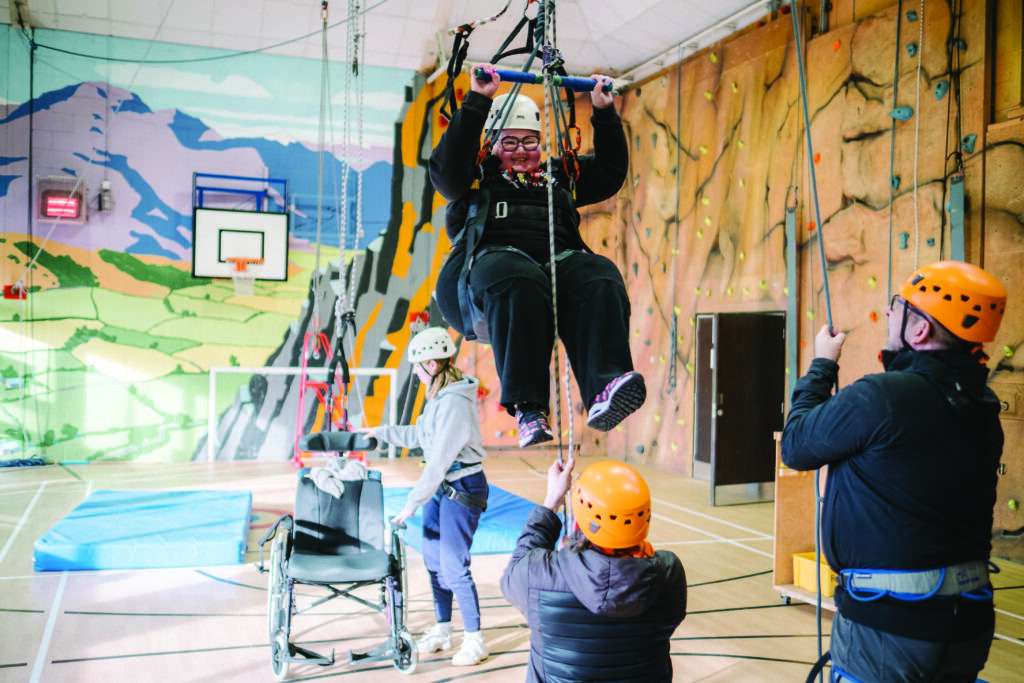
These benefits are available to all simply by taking learning opportunities outside. Look for opportunities and encourage delivery of learning in the outdoor environment, starting with what’s available at your setting. A class might take stories outdoors and use natural material such as stones, leaves or sticks, to act out key events, build characters, or create tactile storyboards. This helps pupils who benefit from movement, sensory input or concrete resources to engage more deeply with reading and communication. Develop the outdoor space to support this approach and then build on the experience by venturing into the surrounding environment, making use of community facilities. This can feel daunting but the benefits for SEND pupils and those around them can be immense.
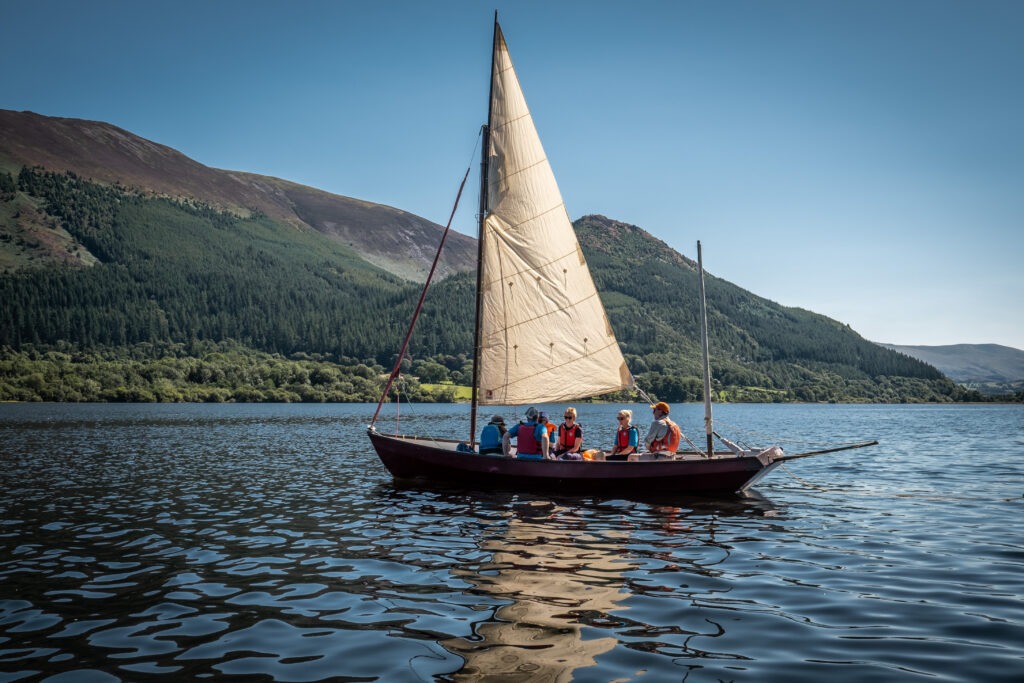
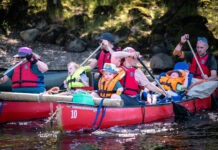
Residential outdoor experiences can be the most memorable and impactful experiences in a young person’s life. “Before the trip, some of our pupils had never stayed away from home,” recalls Sarah, a SENCO at a Lancashire special school. “By the end of the week, they were zip-lining and canoeing. The confidence boost was incredible.” Sarah’s school partnered with a specialist outdoor centre for a five-day residential. Activities included canoeing, climbing, high ropes, cycling, and evening hydrotherapy and social sessions with teachers highlighting improvements in communication, teamwork, and resilience following the residential.
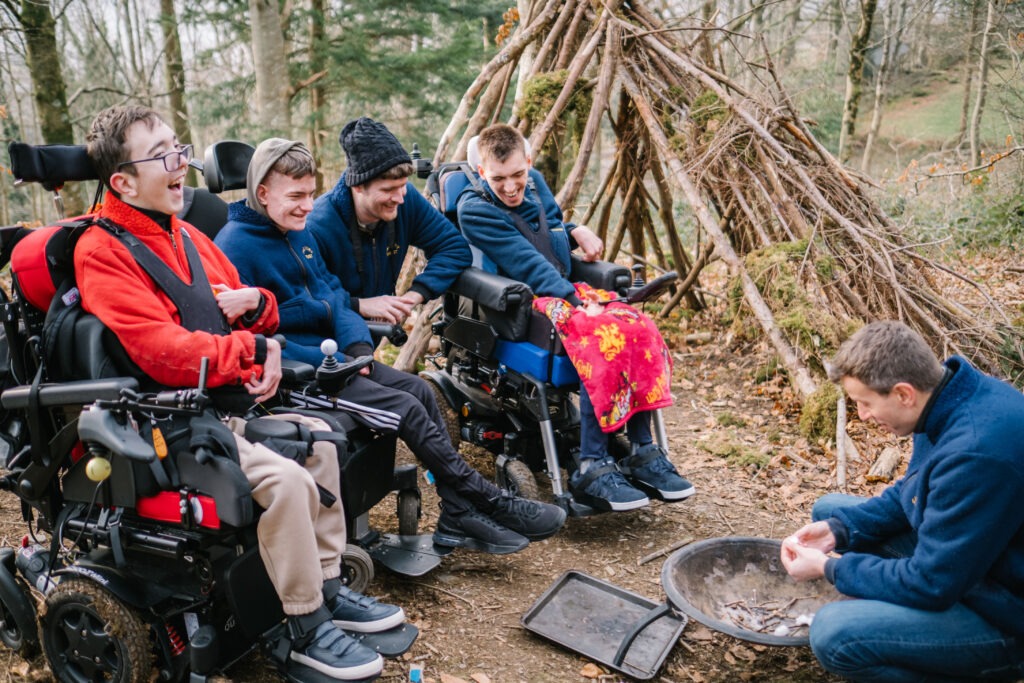
A small number of specialist centres and dedicated practitioners across the UK have transformed what educational visits and overnight stays look like for people with disabilities. For young people with physical disability, specialist centres have ensuite wet rooms, profiling beds, hoists, shower chairs and changing beds. For young people with severe learning disability, centres provide quiet spaces, sensory rooms and adaptable, secure bedroom facilities. For young autistic people, centres provide structure and consistency, with simple visual communication and opportunities for movement and stimulation. It is this level of understanding, appreciation and willingness to adapt to every individual’s specific needs that is the true characteristic of a specialist centre.
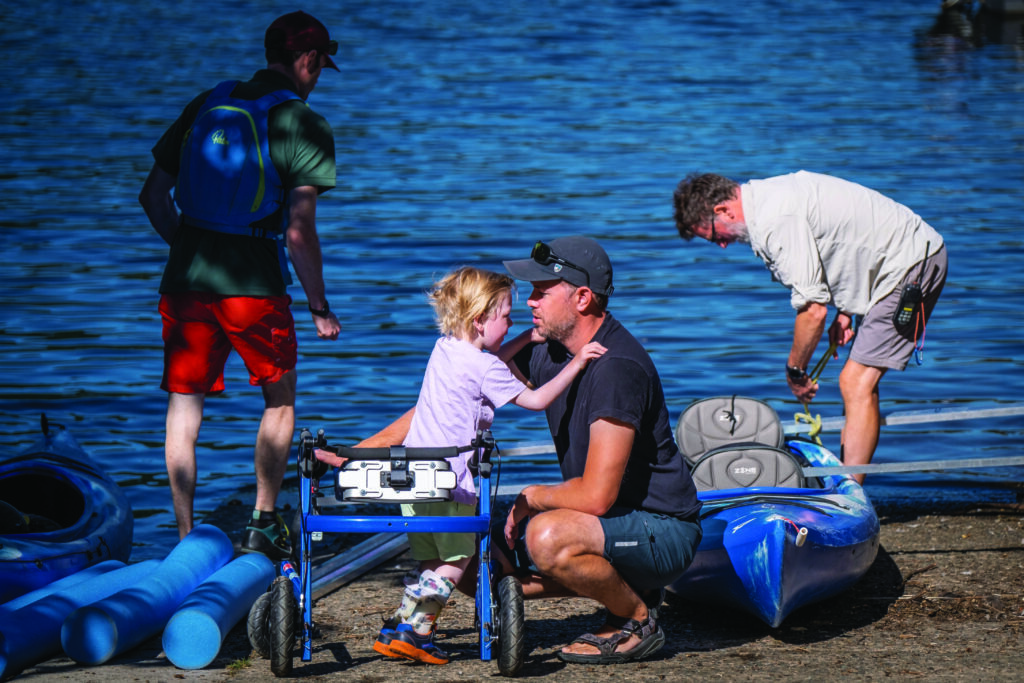
Sarah is the parent of a son with profound and complex disabilities. Following a residential visit to a specialist outdoor centre she told us: “For somebody for whom life is incredibly difficult, every single task, from eating to dressing to toileting. To come here and do a zip wire and canoe, an abseil and climb. To do things that most people don’t do, flips that world around to become magical, to move from existing to living. Oliver has full limb cerebral palsy. The centre adapted to Oliver’s needs. To experience the laughter and the exhilaration as you go down the zip wire, we’re all doing the same thing, on the same day, at the same time, and it feels very inclusive.”
Alice is a young person with autism who was able to tell us about her experiences at a specialist residential centre. “There’s no limit on accessibility because of being overwhelmed, and it’s just really open and relaxed. Normally, I can’t go to shops without wearing sunglasses and noise cancelling headphones, and lights and noise can be really loud. But here it just feels so much safer and it just doesn’t get as overwhelming, it’s just so relaxed.” According to Alice’s mum, Alice is extremely anxious and used to be selective mute. Here she has so much more independence because it’s a safe centre and if Alice walks up to the dining room with her tray ready to get dinner but can’t speak, no one’s bothered and she knows no one’s bothered. So she’s fine. She has the confidence to do things here that if we were anywhere else, she wouldn’t even try. And the independence transfers back to home, and we can build on that.”