





















The mic is positioned just right, and I’m waiting for my guest to pop up on my screen, so that I can go through the flow of the conversation, make sure they don’t have anything else to add. I hit record.
Rewind about 12 months earlier when I was having one of those mum conversations when every other sentence is interrupted by a child needing a snack or you are reminding them to have kind hands or take their turn. We were talking about how our kids were settling into school and the everyday joys and struggles of this new rhythm in our lives. Our sons had started reception a few weeks earlier and the honeymoon phase was definitely over.
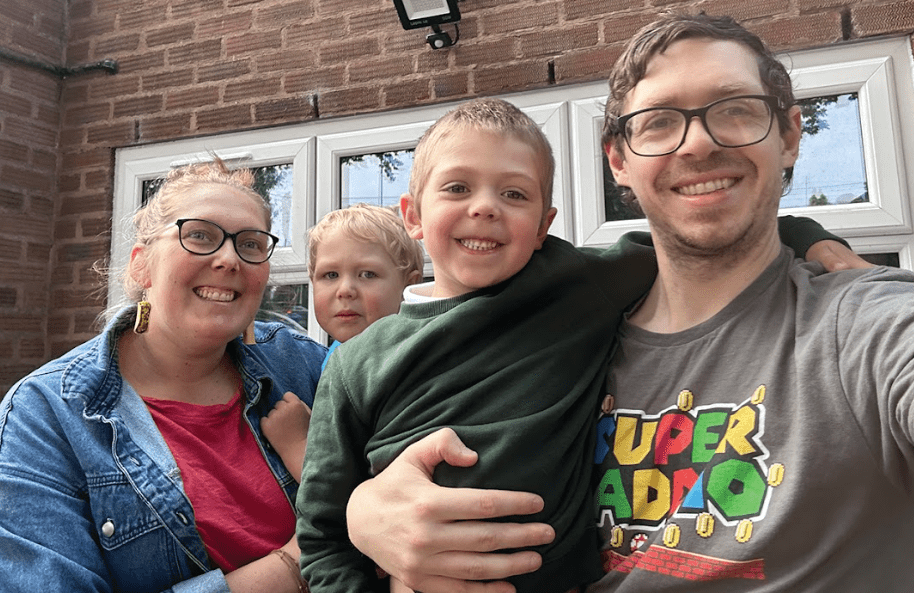
The honeymoon period ended abruptly on the second day of school, when the head teacher pulled us aside and said the school couldn’t cope with our son, and they didn’t have funding to put him on a reduced timetable. That conversation started our journey into the SEN world, a world I knew nothing about, and which at times has felt lonely, very different from my friend who was at the park that day.
Start the conversation said the still small voice in my head that day, and I began to share our everyday on social media, talking about how I’d had to walk out of the store, leaving a week’s shop in the middle of the aisle. Or the time I sat down on the sidewalk to hold my son as he had a meltdown, and experienced stares and glares from strangers. Or the time we missed a birthday party because he was so excited for the two days before the party that he literally hadn’t slept at all.
With each story, someone would voice their similar experience or message, and some had questions to ask. It was through sharing on social media that a friend reached out and asked to grab a cup of coffee. She wanted to know more about Autism and ADHD, but she also wanted to know how to support us, as a family. We chatted about life and my everyday looked like. We had an open and honest conversation with laughs and a few tears. As we were preparing to leave she said You should start the conversation about this. Everyone needs to hear about the day to day. I smiled. One down, a billion to go, I said.

So I started reaching out to people asking if they would be willing to have a conversation. Nothing formal, but I wanted to know their experiences. Two themes ran through every conversation. First, there is power in feeling seen and heard. Secondly, people want to learn and grow, but they can be afraid to ask the questions.
So here I sit with a microphone in front of me, waiting for my guest to pop up on my screen. I’m starting conversations so people feel seen and heard as well as offering a place for people to learn and grow. With every conversation, I learn how to better help my son and how to advocate for others. Each guest has been so kind in sharing their personal experiences—both the joy and the struggles.
Sometimes, all it takes is to start the conversation. So, what’s your story?