

















With thoughtful planning and a little creativity, the outdoors can be a vibrant playground where every child has the chance to thrive, regardless of ability, writes Ian Linton.
Outdoor play goes beyond the boundaries of playgrounds and sports fields—nature itself is filled with surprises, especially for children with Special Educational Needs and Disabilities. Reflecting on past experiences, I sometimes wonder if it’s the activity itself or the environment that truly captures their attention. Research shows that spending time in nature can significantly benefit everyone’s wellbeing. Even brief moments in nature can spark curiosity, ignite creativity, and support both physical and emotional health.
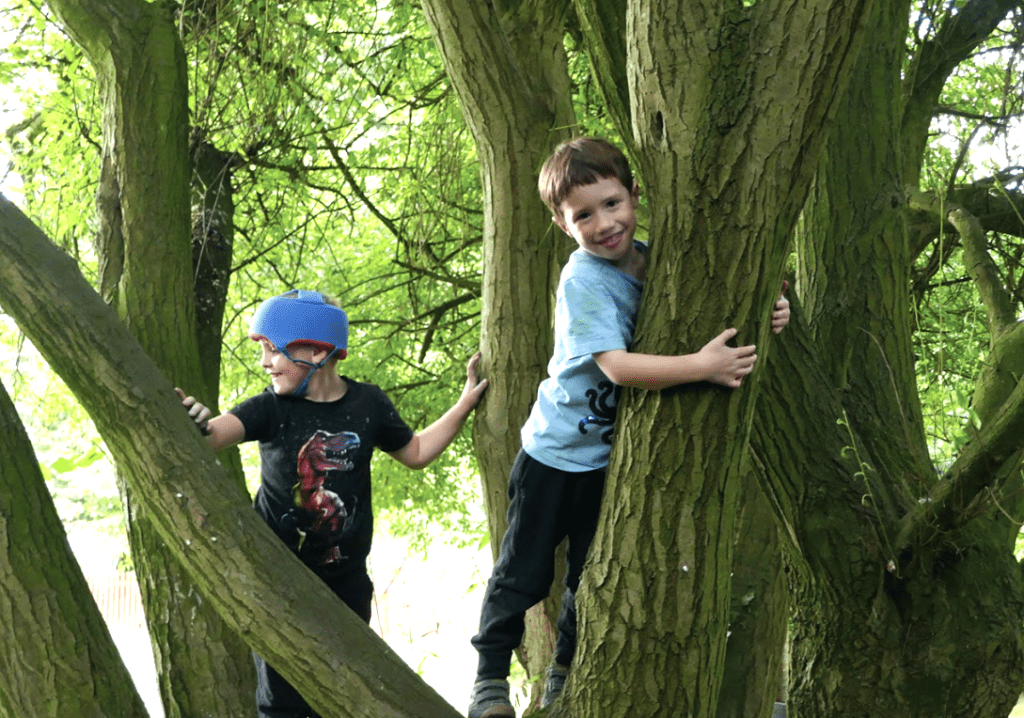
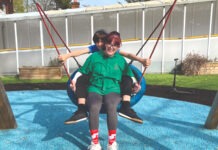
Being outdoors also offers opportunities for children to engage with their peers. Whether through an organised activity or a simple game of catch, outdoor play allows children to develop essential social skills, such as sharing, communication, and cooperation—all while having fun. But how can we ensure that all children, especially those in areas with limited green spaces or facing mobility challenges, have equal access to outdoor play? The answer lies in creativity. With thoughtful planning and a flexible approach, we can make outdoor activities accessible to all.
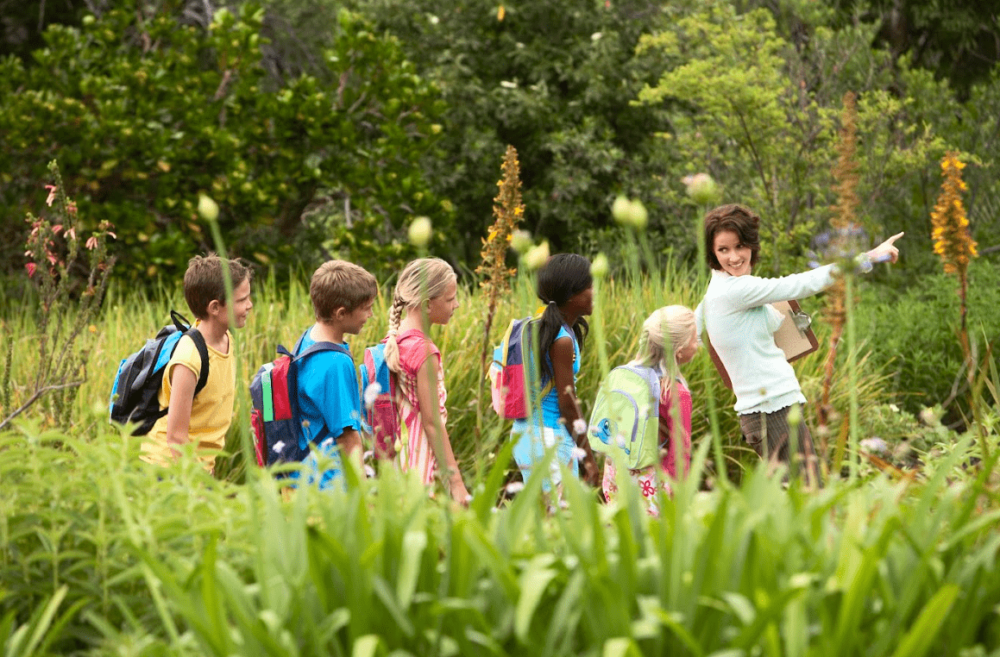
One of my favourite activities to organise is a nature hunt. It’s versatile, adaptable to all abilities, and can be enjoyed anywhere—from large open spaces to small gardens or local parks. Nature hunts tap into children’s natural curiosity, offering a hands-on way to engage with their environment. At The Wingate Centre, we’re lucky to have a large outdoor area to explore, but even smaller spaces can provide endless opportunities for discovery.
To keep the nature hunt engaging without overwhelming the children, I break it down into small, manageable steps. This structured approach allows teachers and support workers to offer effective guidance and encourage positive behaviour. Time limits are set for each segment, and countdowns help children track their progress. This is especially helpful for children with SEND, as it supports smoother transitions and reduces stress. At the end of the hunt, the items collected are used in a creative project, where children can showcase their discoveries. Whether they’re building nests from natural materials, creating salt-dough leaf imprints, or crafting collages from their treasures, these activities allow children to express their creativity while feeling proud of their achievements.
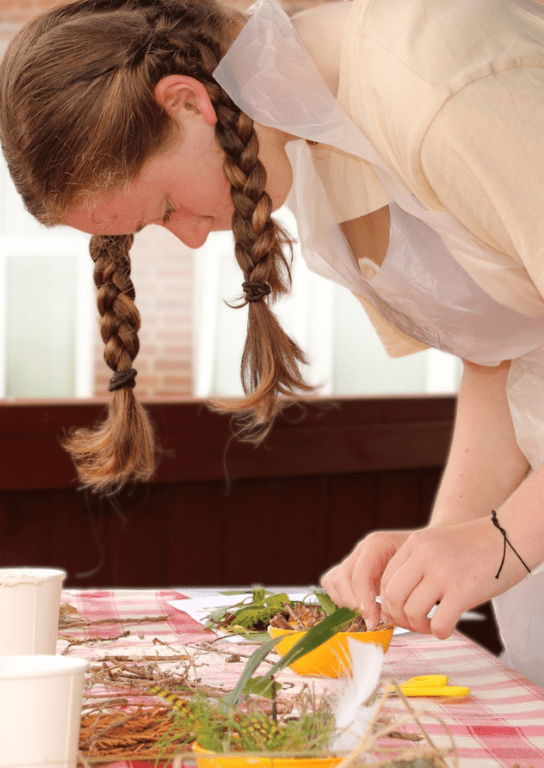
To further enhance accessibility, I love incorporating elements from our sensory garden into the nature hunt. This engagement of the senses—through textures, scents, and sounds—creates a rich sensory experience. Soft moss to touch, feathers to find, fragrant flowers to smell. These additions encourage children to connect with their surroundings in meaningful ways. Sensory gardens are particularly beneficial for those with mobility needs, offering a safe space to explore nature’s textures and sounds at their own pace. For children with more complex needs, introducing outdoor elements before the activity, such as birdsong or the smell of fresh grass, can help deepen their connection to the outdoors.
A nature hunt offers more than just an enjoyable outdoor activity, it’s a tool for learning, teamwork, problem-solving, independence, and creativity, all while promoting physical and emotional wellbeing. The beauty of nature is that its benefits aren’t limited to structured activities. Simply being in a calming green space can improve a child’s overall wellbeing, encouraging emotional balance, better sleep, and a more positive outlook on life. Outdoor play provides more than just fun. It’s an environment where children can build friendships, develop life skills and experience the world in meaningful ways.