













Jon Muspratt on activities that foster problem-solving, teamwork, resilience, and independence.
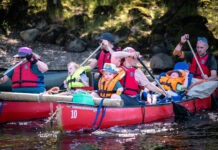
Our natural surroundings encourage exploration and creativity in ways that traditional classroom settings cannot replicate. The benefits of outdoor education extend far beyond the immediate experience. Teachers and group leaders often report lasting changes in the children. For children with SEND, these moments of achievement can be transformative, and the impact can extend to families and communities as well. And by connecting children with nature and each other, the activities foster understanding and inclusion, strengthening the bonds in the wider community. These shared experiences bring a renewed sense of connection, particularly in areas like Merseyside, where access to green spaces can be limited.
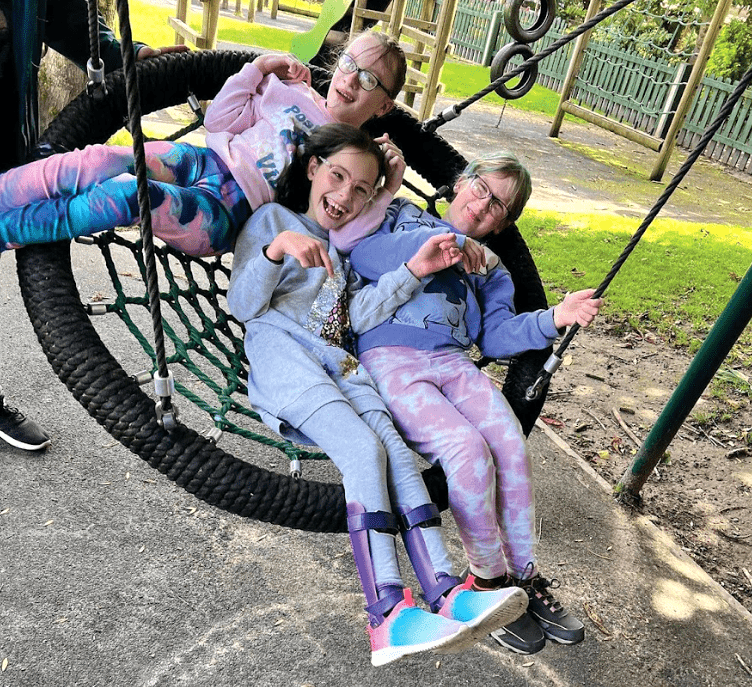
The outdoors is a great equaliser—it has no barriers, no prerequisites, and no limits. By championing outdoor education for all children, we are nurturing a generation that is resilient, compassionate, and deeply connected to the world around them. Outdoor experiences are not a luxury—they are a fundamental part of growing up. Together, we can ensure that every child, regardless of background or ability, has the chance to discover their potential and create memories that last a lifetime.
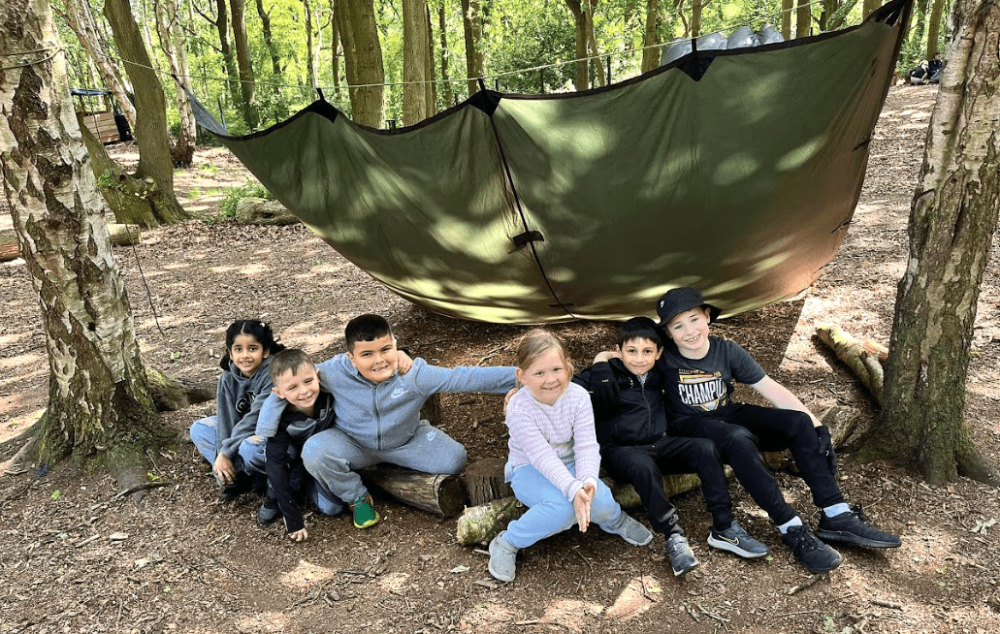
Bushcraft Learning survival skills like shelter building and fire lighting fosters independence and self-reliance.
Climbing and abseiling This exhilarating activity pushes participants to face their fears, and it builds confidence as they scale walls and descend heights. It strengthens resilience and self-belief, with many children experiencing a profound sense of achievement.
Nightline This blindfolded team activity builds trust, communication, and problem-solving. By navigating through obstacles together, participants learn the value of cooperation and supporting one another.
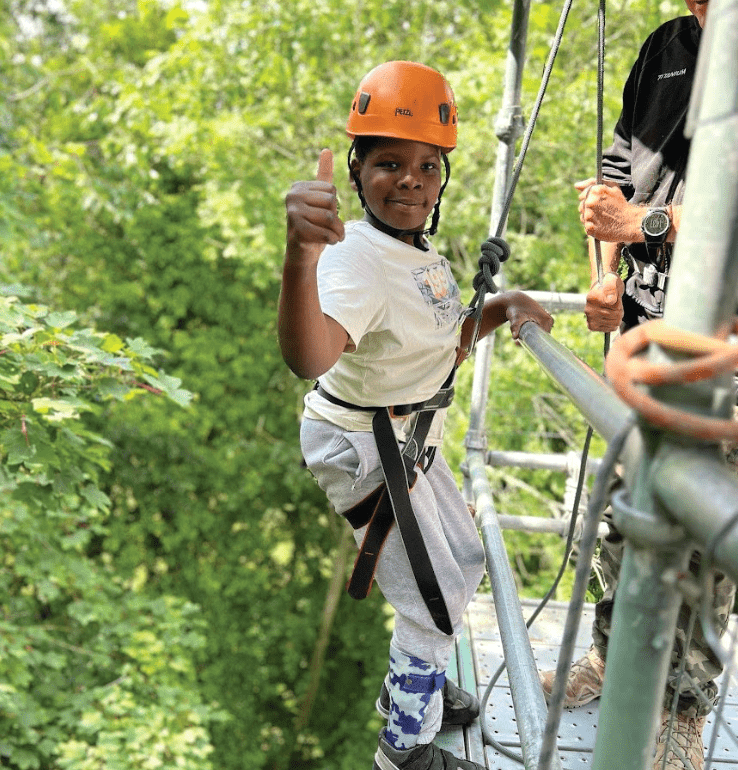
Search and rescue: A thrilling activity that combines teamwork, strategy, and resilience. Children work together to solve problems under pressure, boosting their confidence and leadership skills.
Orienteering: Combining map-reading and navigation skills, orienteering enhances spatial awareness and decision-making. It’s also an excellent way to explore the natural surroundings while promoting physical activity.