










Even now, Patryk Flissikowski is still amazed at the transformative power of equine-assisted therapy for his autistic students.
I’ll never forget the day I watched children from the Additional Resource Provision (ARP) at a primary school in Newham take part in riding sessions as part of their equine-assisted therapy. The excitement in the air was profound as the children, guided by their dedicated staff, began this special journey with the horses. For many of these children, it was their first time being so close to horses, and they were fascinated.
The children come from various backgrounds, many of them struggling with different social and emotional challenges. Their unique needs mean that typical classroom activities often leave them feeling overwhelmed, isolated, and disconnected. They are longing for something that could help them feel confident and capable in a way that is different from the usual routines of the classroom. The opportunity to connect with the horses feels like an adventure—something that can unlock a new world for them.
There’s a mix of excitement and nervousness on the children’s faces. Some of them have never been near animals before, let alone horses. The horses have a calming effect on the children, and I can see them beginning to grow more confident. I feel a sense of hope. It’s incredible to see how much impact something as simple as spending time with a horse can have on a child’s development.
The horses aren’t just animals in the background—they play an active role in helping the children. The horses listen without judgment, responding to the children’s emotions and movements. It’s as if they understand the children in a way that words can’t. The horses allow the children to approach them at their own pace, building trust step by step. The children are in control of how they interact with the horses, and this gives them a sense of autonomy and empowerment. For many of the children, the horses are the first beings that seemed to truly understand them. They don’t demand anything from the children but instead offer an unconditional presence.
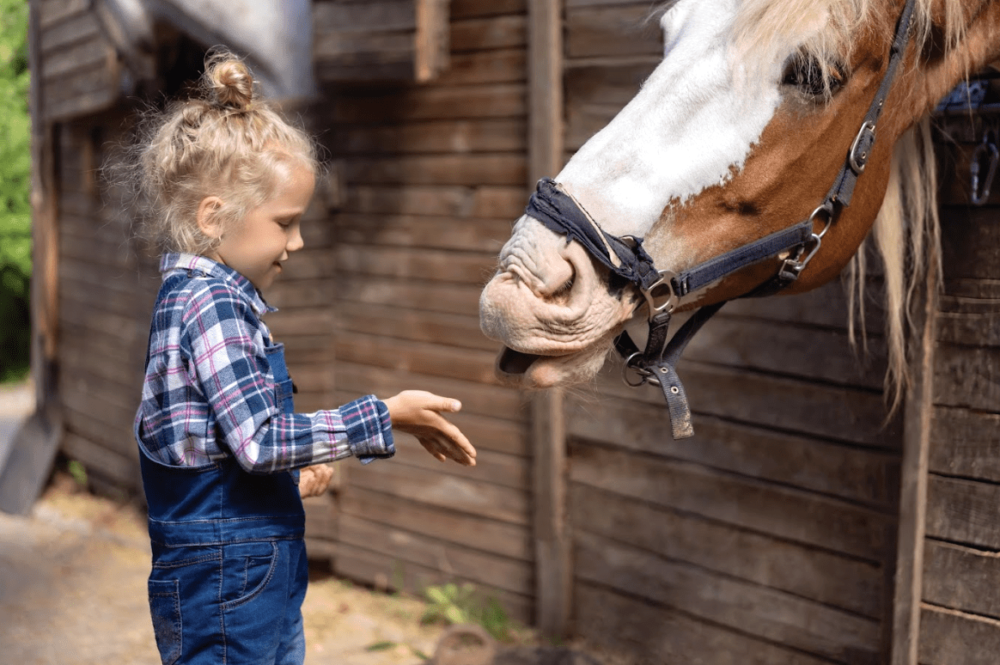
The children can communicate with the horses through actions like brushing or patting, which feel more comfortable than verbal communication. Even just being near the horses seems to help the children feel more comfortable around others. Over time, they begin to communicate better, not just with the horses, but with their peers as well. It’s as if a new door has opened for them, and they are more willing to connect with others.
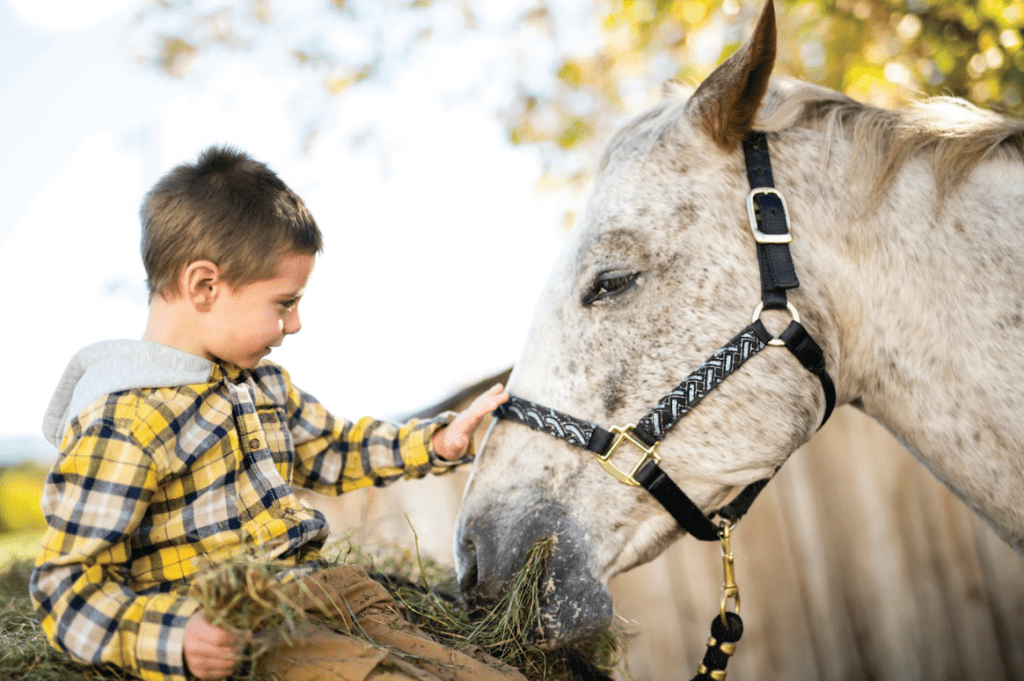
Caring for the horses also helps the children develop emotional regulation and social skills. The horses, with their unique moods and needs, teach the children how to be patient, kind, and considerate in their interactions. It isn’t just about looking after the horses—it’s about learning to understand their feelings, and to respond thoughtfully. This is a crucial life lesson, and one that many of the children haven’t had the opportunity to learn before. Through this experience, the children become more skilled at managing their own emotions and interacting with others in a more positive, empathetic way.
When I move to a new school in Hackney, I’m determined to bring equine-assisted therapy with me. I know the autistic students there could benefit from the same experience. It isn’t easy, as many of the students face their own challenges, but I believe in the power of this therapy. I had seen first-hand the way it can transform a child’s confidence, communication, and emotional regulation, and I am determined to bring those same opportunities to the students in Hackney.
One student in particular stands out. He has always been reluctant to try new things, and he is especially fearful of the horses. At first, he would often say No, I don’t want to. He is clearly anxious about the whole experience, and I can see the fear in his eyes as he watches his classmates interact with the horses. His body language says it all—he is tense, withdrawn and unsure. But despite his fear, there’s a flicker of curiosity in him. He doesn’t immediately back away from the horses. Instead, he observes quietly, staying a safe distance away but watching intently.
After weeks of patient work, something incredible happens. One day, he suddenly says I want to see horses. It isn’t a loud declaration, but it’s a huge step for him. At first, his hand trembles as he approaches the horses, but there’s determination in his eyes. He takes another small step forward when his peer is brushing a horse and interacting with it in a calm and gentle manner, and the boy makes a decision to brush the horse too. The moment he makes contact with the horse, I can see something shift in him. There’s a quiet confidence in his movements, and though his hand is still trembling slightly, there’s no mistaking the pride in his eyes. The fear that once held him back seems to dissipate, replaced by a sense of accomplishment. His progress is a testament to the power of patience, persistence, and the safe, supportive environment the horses provide.
There’s a girl who has a hard time when things change in her routine. She often becomes overwhelmed and upset when things don’t go according to plan. She has a tendency to act out, and her emotions become difficult to manage. But when she participates in the riding sessions, something changes. Her usual outbursts soften, and instead of frustration, a peaceful smile spreads across her face as she cuddles a horse. It’s clear that the calm, kind presence of the horses helps her find a way to regulate her emotions. The joy she feels in that moment is evident. Her mother, who is there watching, is amazed by the transformation. She says I’ve never seen my daughter so calm and confident. It’s a moment of pure joy for her, and for me too. I can see the shift in the girl’s behaviour and attitude—she’s becoming more grounded and more at peace with herself.
Another boy struggles with following instructions. His balance and coordination are off, and he has trouble positioning himself on the horse. He gets frustrated when he can’t do things perfectly. But instead of giving up, we decide to focus on developing his balance and coordination outside of the riding sessions. We practise simple activities that help him build his confidence, like walking along lines on the ground, or completing small obstacle courses. Slowly but surely, his coordination improves and we return to the riding sessions. His progress is clear. He can follow instructions more easily, and his posture is much better. He feels more balanced, physically and emotionally. His enthusiasm for the sessions grows, and he becomes more determined to take on new challenges. He has learned that failure is not the end but a chance to try again, and this mindset makes a huge difference in his overall development.
Through all the ups and downs, I am learning just how valuable equine-assisted therapy is. The horses aren’t just teaching the children how to ride. They are helping them learn important life lessons. The horses provide a safe space for the children to explore their emotions, develop new skills, and build confidence. They offer an opportunity for the children to take risks and challenge themselves, knowing that they’re supported by the horses and the staff. The therapy isn’t just about riding—it’s about giving the children the tools they need to explore their unique needs.
The staff are incredible, too. They’re patient, kind, and attuned to the needs of each child. I’m in awe of the way they create a space where every child feels safe and supported, no matter how much progress they make. They don’t just teach the children how to ride. They guide, encourage and support them every step of the way.
The transformations I see are remarkable. The children’s I can do it attitude is something I will never forget. I see them grow from hesitant, fearful children into confident, self-assured people. Positive feedback from parents and colleagues reinforces the huge impact of this therapy, reminding me of the profound difference it can make in a child’s life.