












Project-based learning has re-ignited our passion as educators, writes Tamaryn Yartu.
The concept of one-size-fits-all should never be used to design a curriculum, yet the current curriculum and pedagogical approaches still adhere to this expectation. Time and again we see traditional and ‘one-size-fits-all’ curriculum and teaching methods failing our students, especially those with special educational needs. The current curriculum emphasises a content-heavy delivery with high-stakes written testing to assess understanding and skills. This one-size-fits-all approach poses challenges for students struggling to navigate abstract concepts or apply knowledge to real-world situations.
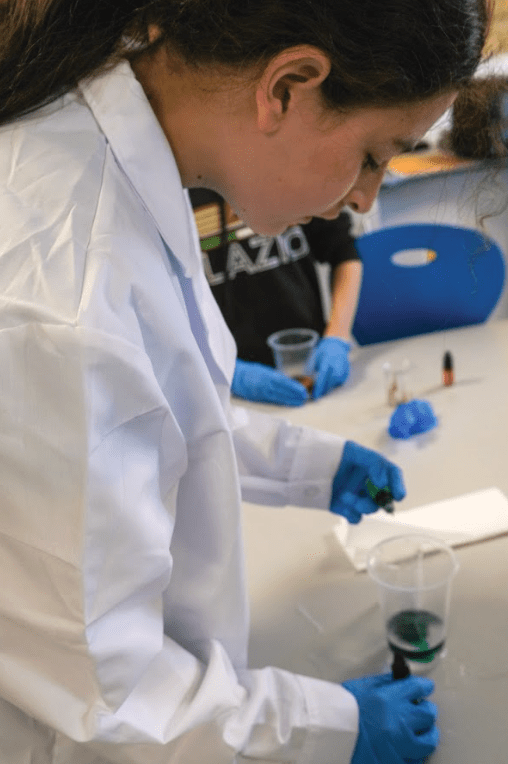
At our school, we’ve adopted a transformative approach to learning that has reshaped our view of education. This is a pedagogical approach that emphasises the importance of helping young people develop transferable skills relevant to real-world experiences. These skills will benefit them in the future as they navigate the workforce and make meaningful contributions to society.
Project-Based Learning (PBL) has completely changed how we teach and how our students engage with and perceive their learning experiences. Here are the key reasons why all schools, particularly those that support individuals with a range of special educational needs, should embrace this approach.
Increased student engagement
For learners to stay motivated, they need connections and meaning in their learning. When we find meaning in our work, our motivation increases, and we feel a greater sense of purpose and value in achieving our goals. Through rich, real-world experiences and hands-on activities that make learning engaging and enjoyable during Project-Based Learning (PBL), students recognise the value of their work, cultivating their intrinsic motivation as they become more engaged in their learning process. They understand that their work matters and is not merely a checkbox exercise for the teacher.
Real-world relevance
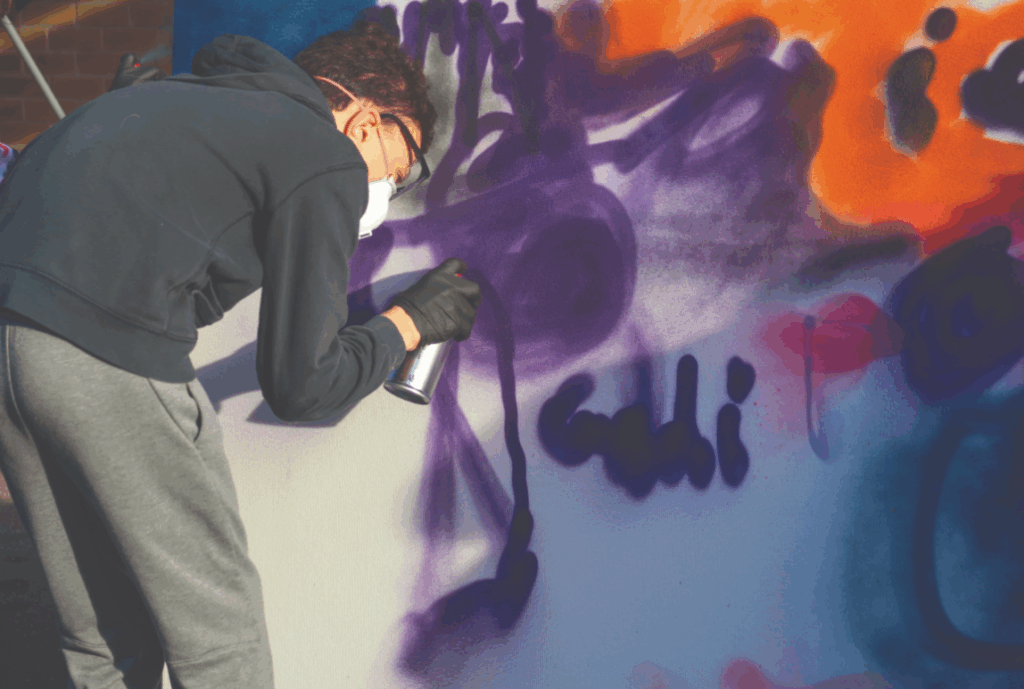
Students with special educational needs often face difficulties in navigating life’s challenges, and PBL embeds all of its learning in real-world experiences and life challenges. Through hands-on work on projects reflecting life scenarios in society and the workplace, students are better prepared for the future and what it may hold for them. Furthermore, it breaks down challenging concepts and makes connections as they can join the dots, which supports them in the real world and the future world of work where things are interconnected and skills are not used in isolation but complement each other.
Creativity in curriculum
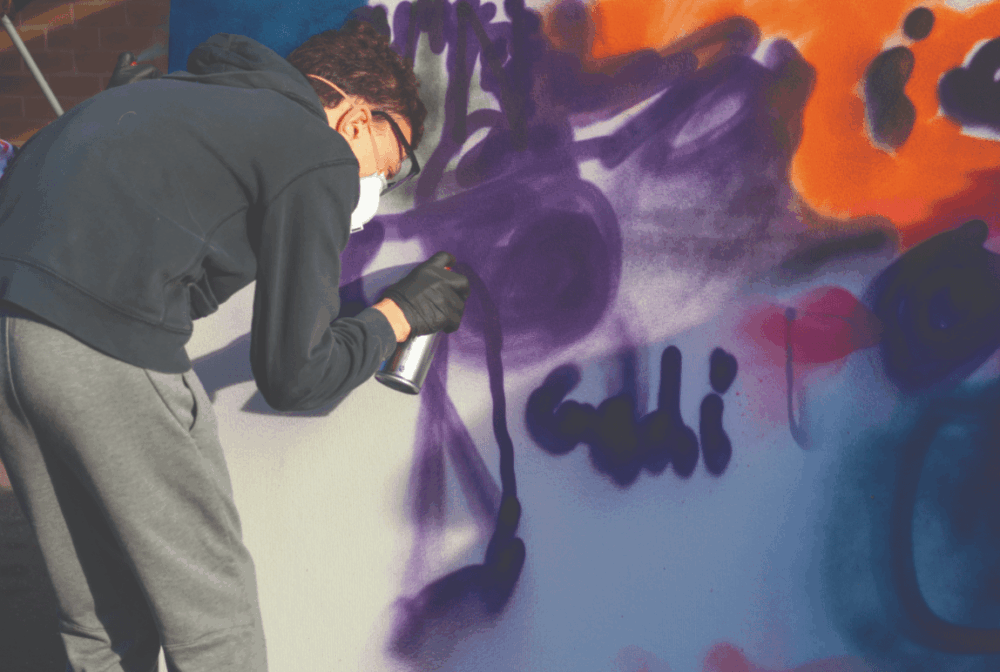
PBL demands creativity by the nature of students’ opportunities, which gives them multiple opportunities to express themselves better, explore their interests, and showcase their talents. There are no right or wrong answers within the PBL space, which gives students the freedom to learn from their mistakes without experiencing feelings of failure. Students are encouraged to use their hands to design, make, build, construct, transform, and bring their learning to life. Students are not the only ones who benefit from this creative process. Teachers often end up succeeding in ways they have not before, as they now have the freedom to utilise their creativity and bring learning to life. Staff gain permission to explore new teaching methods, connect with students more meaningfully, and build a culture of collaboration. Teachers can explore areas that interest them and beyond with a newfound sense of enthusiasm and joy.
Collaboration and communication for staff and students
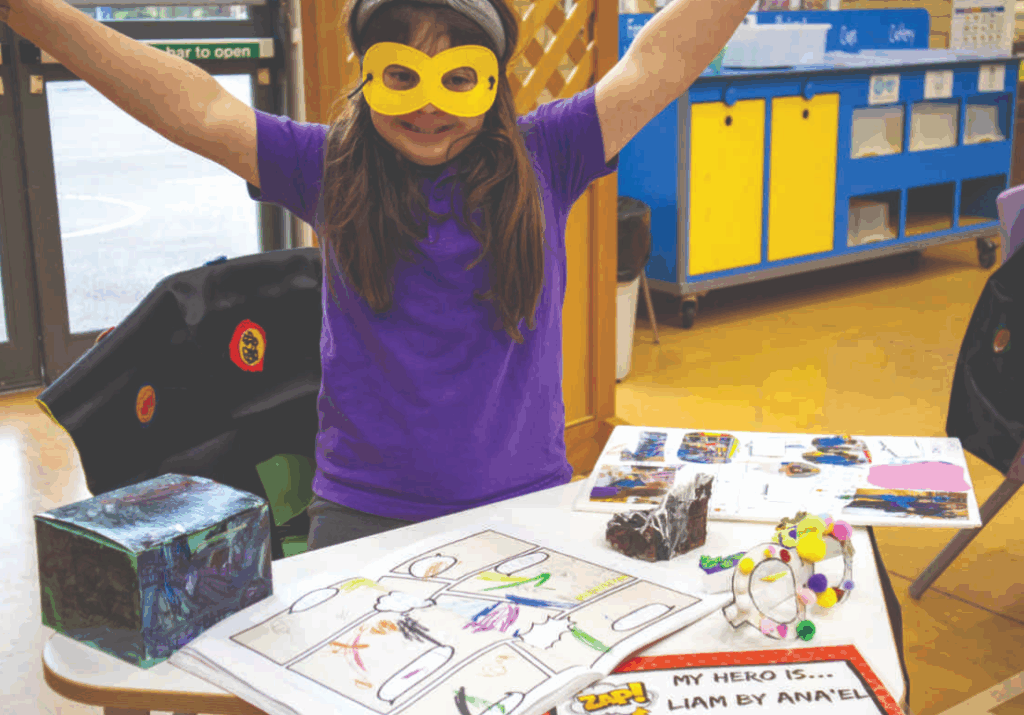
The PBL process teaches students that feedback is not criticism but a tool to support their development. Making mistakes is part of the learning process. Even if they don’t get the right answer the first time, getting a chance to make mistakes reduces the sense of failure. Staff and students work together to create beautiful products by sharing ideas and engaging in the feedback and critique cycle. Following Ron Berger’s principles, specific, helpful, and kind feedback allows students to deepen their understanding of the content and provides opportunities to overlearn the necessary skills. Through this process, students and staff strengthen their drafting and redrafting skills and recognise the importance of constructive feedback as a tool for growth.
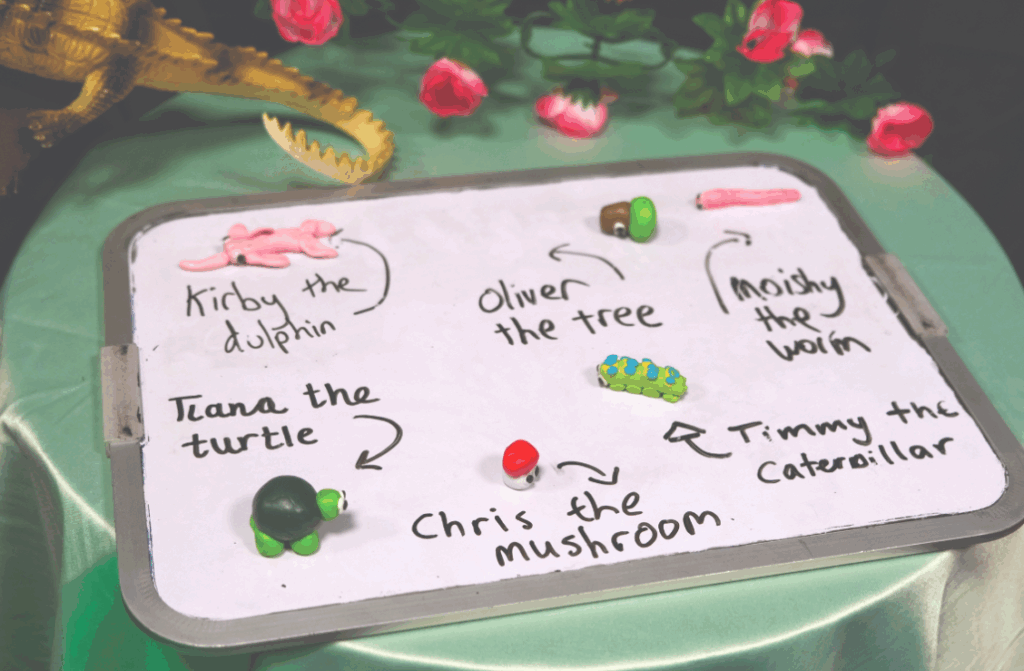
Project-based learning has reignited our passion as educators for teaching and those of our students for their learning while enhancing the educational experience for all involved. Through real-world experiences, creativity, collaboration, and feedback, we have created a space where all students can thrive. By embracing PBL, we continue to work toward the change that ensures all students, no matter what, have the opportunity to shine.