





















A short break? That sounds great, doesn’t it? I could do with a short break, too. For children with disabilities and their families, however, short breaks are not a nice-to-have bonus—they are essential, writes Claire Bryant.
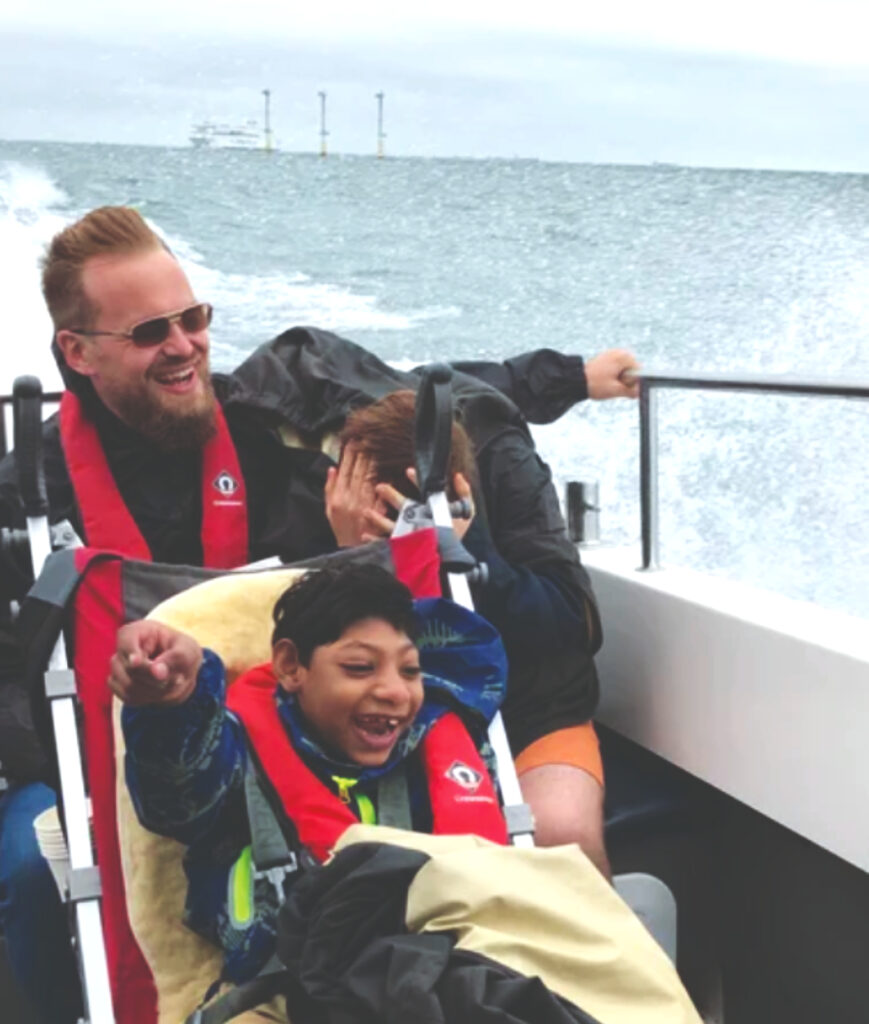
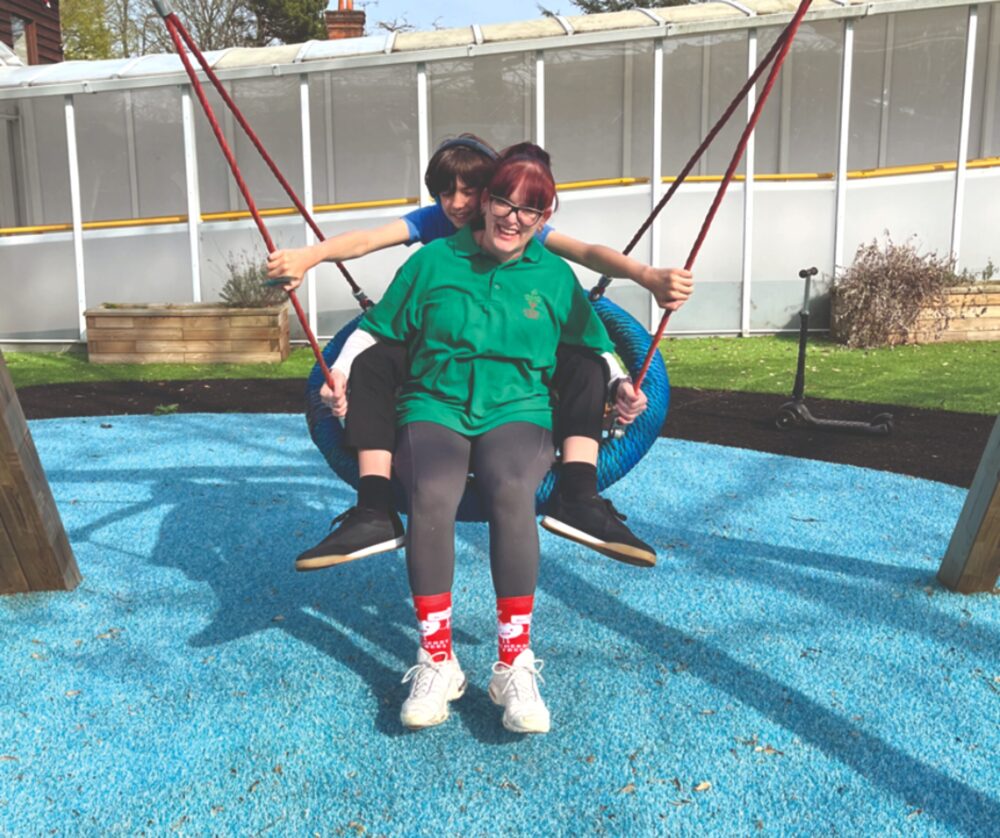
Short breaks give children the chance to develop a friendship group, to try new experiences, to get out into the community and to gain vital independence and life skills to allow them to have a positive future. Short breaks give their parents and carers the chance to do things that most families take for granted, whether that’s simply doing the laundry, or going shopping, or spending dedicated time with their other children, enabling them to return to work or sometimes just resting and doing nothing much at all.
Short breaks come in many forms. They include care provided to children in their own home, educational and leisure activities away from the home, and overnight residential care in respite homes. The duration can vary from a few hours to several days or even longer, depending on the needs of the child and their family. Under the Children’s Act 1989, local authorities have a statutory duty to provide short breaks for children with disabilities. In reality, the growing numbers of families needing this provision, and the intense budgetary pressures mean that some have little or no access to short breaks.

Short-break respite care doesn’t have all the solutions, but it helps keep families together because, without the right support, families are at greater risk of going into crisis. Giving parent carers the chance to breathe, relax, and simply press pause on their 24/7 caring responsibilities makes a significant difference.
The disabilities of children accessing short breaks are many and varied. A large proportion of the children who come to stay with us are non-verbal and have severe learning disabilities. Many need one-to-one support for everything they do, and some need two carers with them in order to keep them safe. Many have feeding difficulties—some are fed via gastronomy tube, others have extremely restricted diets and lack the skills to feed themselves. Similarly, toileting and other aspects of self-care, such as washing and dressing themselves, are skills that a large number of children joining us have yet to achieve.
Many children with SEND have sleeping difficulties, which means an unbroken night’s sleep is impossible for their carers. Often, when children first stay with us, it is the first time their parents have had a full night’s sleep for years. Many children have extreme anxiety, or challenging behaviours, which mean their parents are unable to leave them with anyone else, outside of school. Caring for a child with a complex disability can be physically and emotionally exhausting. Simply being the parent carer of a child with additional needs brings with it unrivalled mountains of paperwork, red tape, advocacy, personal sacrifice and general exhaustion, which can mount up year after year. Our families can’t just go out together on a bike ride, to the cinema or a café, like countless typical families. Regular holidays are often out of the question. As I know personally, siblings can find it hard to get dedicated time with their parents. The list goes on.
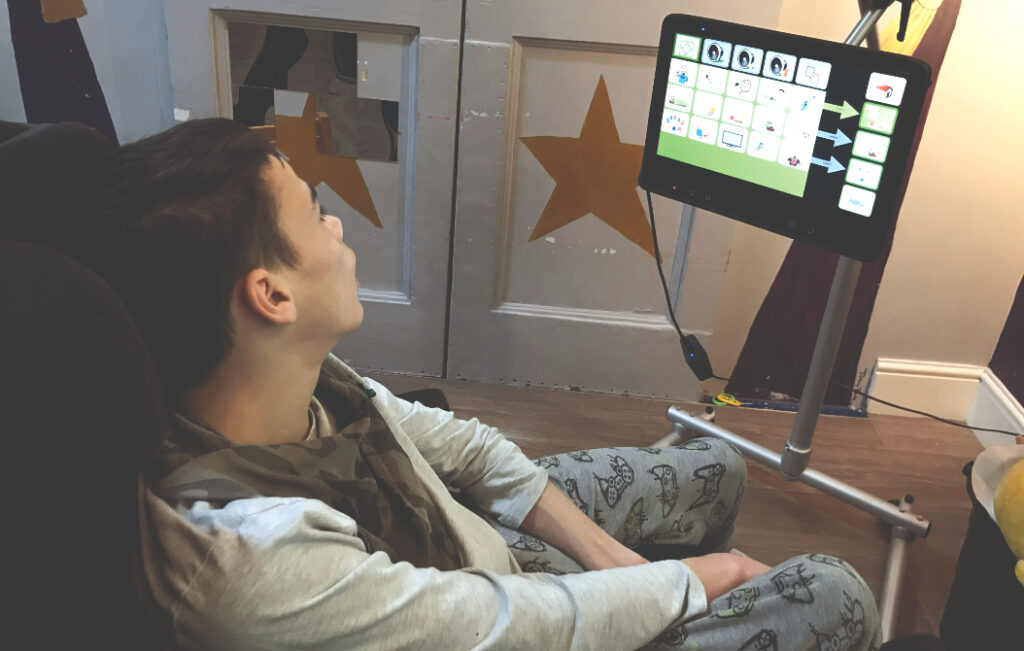
Crucially, short breaks are just as vital for the children as they are for their parent carers, on top of the obvious benefits of those children returning home to rested and refreshed families who are stronger for the respite they receive. These children, the most vulnerable in society, have very little provision outside school, as most leisure and other facilities do not cater for their level of need. Many children with disabilities experience extreme loneliness, as they don’t have the opportunity their peers do to meet other people, take part in social activities, develop hobbies they love and form friendships. The limitations placed on them by society restrict their abilities further, when we should be striving to help these young people achieve more than they and their families ever thought possible.
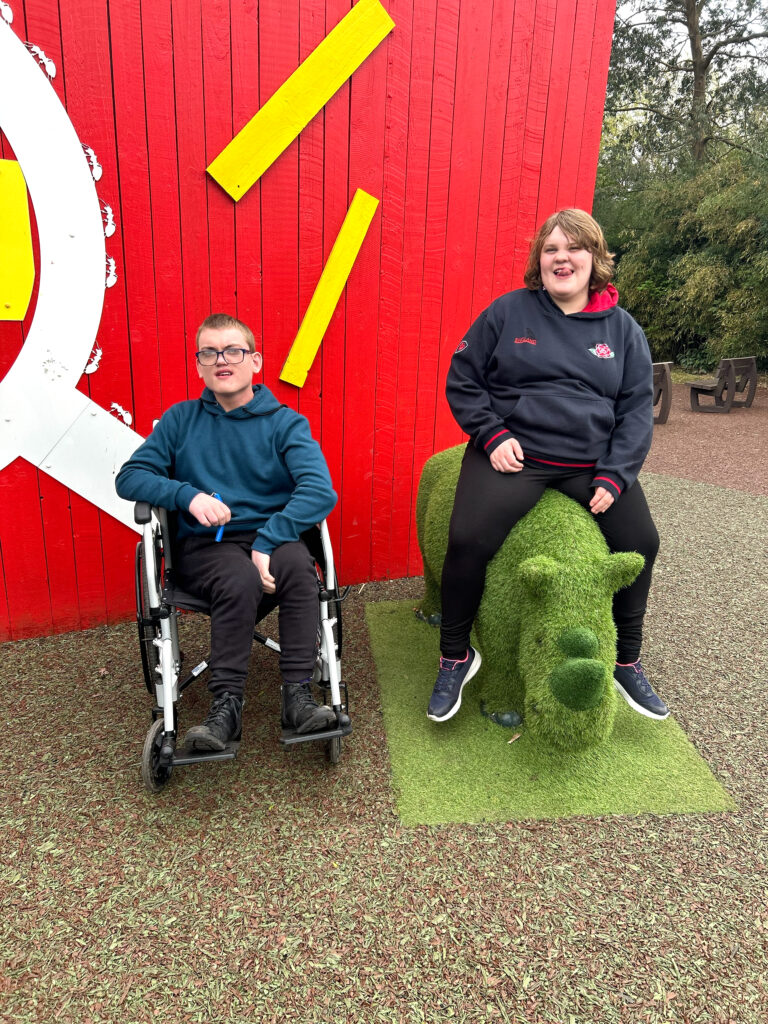
Short breaks can change the destination of children with complex disabilities. They help challenge the perceptions that these vulnerable children can’t contribute meaningfully to society. They can demonstrate that it doesn’t need to be a straight route from residential school or children’s care to adult residential care—these children can have the ability to live independently with support. Their daily struggles with life can be transformed into an enjoyable and fulfilled life, and families don’t need to stay in survival mode—they can thrive.
Pippa Chapman’s children Jesse and Libby have severe learning difficulties and autism, and both have accessed short breaks with us for many years. Jesse, who is now nineteen, started when he was nine, and he left last year when he moved into supported living accommodation. Libby, who is now sixteen, first came to stay when she was ten. Pippa is unequivocal about the benefits to her whole family: It’s been key in enabling Jesse into adulthood, and it’s helped him develop relationships with people other than his parents who can meet his care needs, which has boosted his independence skills. It’s been essential in enabling him to lead a happy life in his supporting living accommodation. It’s consolidated his signing, allowing him to communicate his basic needs such as when he wants to go to the toilet or have something to eat or drink. It’s given him better communication skills and, because there are different carers on different shifts at different times, it’s helped him understand things are not always the same, and to be able to cope with that.
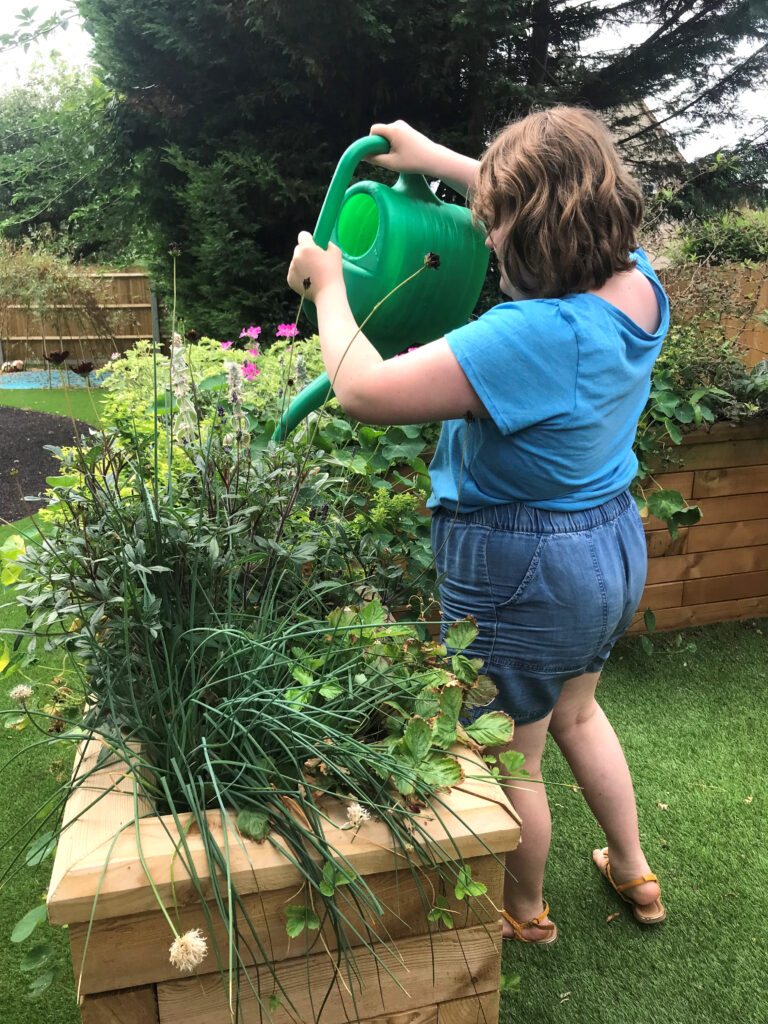
Libby is more able than Jesse, and she comes home exhausted as she’s done all the jobs with the staff—she’s stripped the beds, made the beds, and done the washing up! For her it’s been very good socially, because she loves being part of a group, and she loves the outings. She’s gone to the theatre and the cinema, which is not really something I’ve been able to do with her. It’s given her different experiences. It really is a home away from home.
I think people think that respite is desirable, but it’s not—it’s essential. People don’t get that unless you live it, caring full time.