











Debbie Morley on why flexible support is essential for autistic young people to access education.
For many autistic young people, accessing education is not simply a matter of turning up to school. Anxiety, sensory overload, communication differences, difficulties with transitions, and past negative experiences can all cause significant barriers to attendance and participation. It is being increasingly recognised that flexibility when it comes to providing educational solutions for autistic young people is not a luxury, it is a necessity. We see first-hand that when environments adapt to the young person rather than expecting the young person to adapt to the environment, engagement becomes not just possible, but truly beneficial in helping young people achieve their potential.
Practitioners are finding innovative ways to remove barriers and build confidence. These approaches vary widely, from therapeutic animals to alternative work experience pathways, but they are united by one principle: we need to meet the young person where they are, not where the system expects them to be.
© Licensed to simonjacobs.com. 25/09/2024 Bury, UK. Keddleston Group – Mill School Bury Photo credit: Simon Jacobs
Flexibility: your access friend
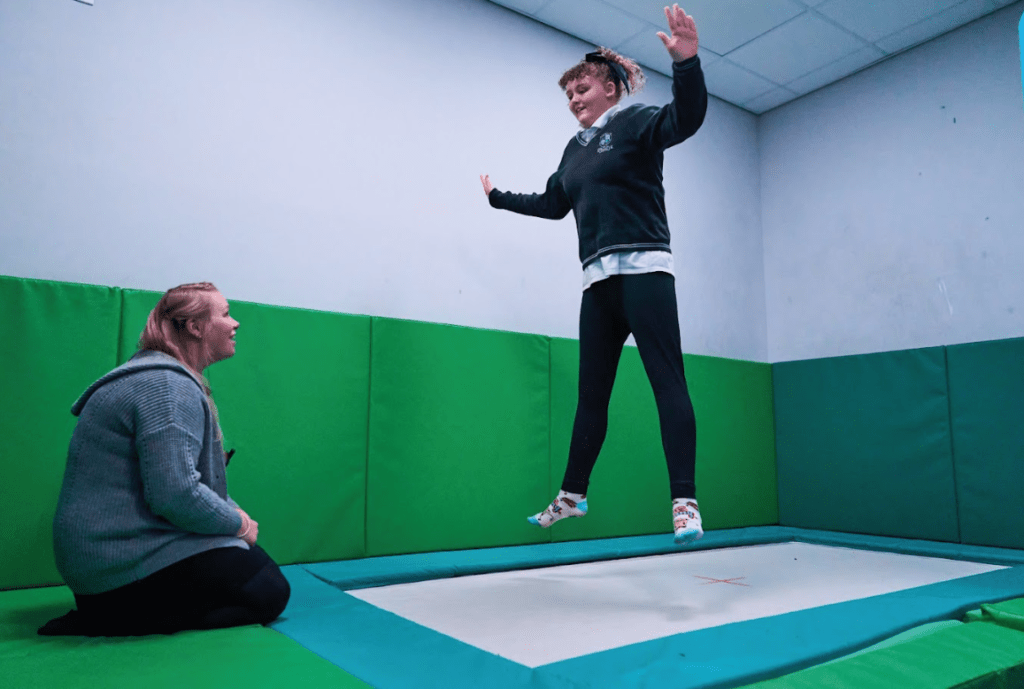
For some autistic students, even just going into a school environment can be overwhelming. Flexible strategies, such as varied start times or low-stimulus arrival routines, can be essential. In certain cases, the presence of a support or therapy dog is what makes access possible, either the school’s therapeutic animal or the pupil’s own support dog.
We have seen real impact from taking a flexible, whole-school approach, both in our own school and further afield. One student had been out of school for some time after his previous provision could not admit his assistance dog. He lost all confidence and fell out of love with learning. We felt we could accommodate the student and his dog positively at our school and, with her support, he attended school daily. He and his family have described being able to have the dog with him as life-changing. She helped the pupil to manage his anxiety, and having her by his side enabled him to fully participate in school life. He went on to become Head Boy before leaving to take up a college course. According to his family, without the support of his dog, he would have been unable to attend school at all. This example highlights the transformative potential of well-planned, personalised adjustments, especially when a young person’s anxiety is acute.
Work experience
Although many autistic young people achieve strong academic qualifications, national data consistently shows that autistic adults experience some of the highest unemployment rates of any disability group. Crucially, this is not primarily due to a lack of intelligence or qualifications, but due to difficulties with social communication, anxiety, workplace expectations, and a lack of supportive transitions into employment.

© Licensed to simonjacobs.com. 25/09/2024 Bury, UK. Keddleston Group – Mill School Bury Photo credit: Simon Jacobs
Traditional work experience can pose challenges for some autistic learners, particularly those under 16 or those with significant communication needs. Capacity, safeguarding concerns, communication barriers and sensory environments in workplaces can make securing placements very challenging.
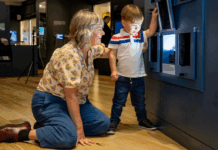
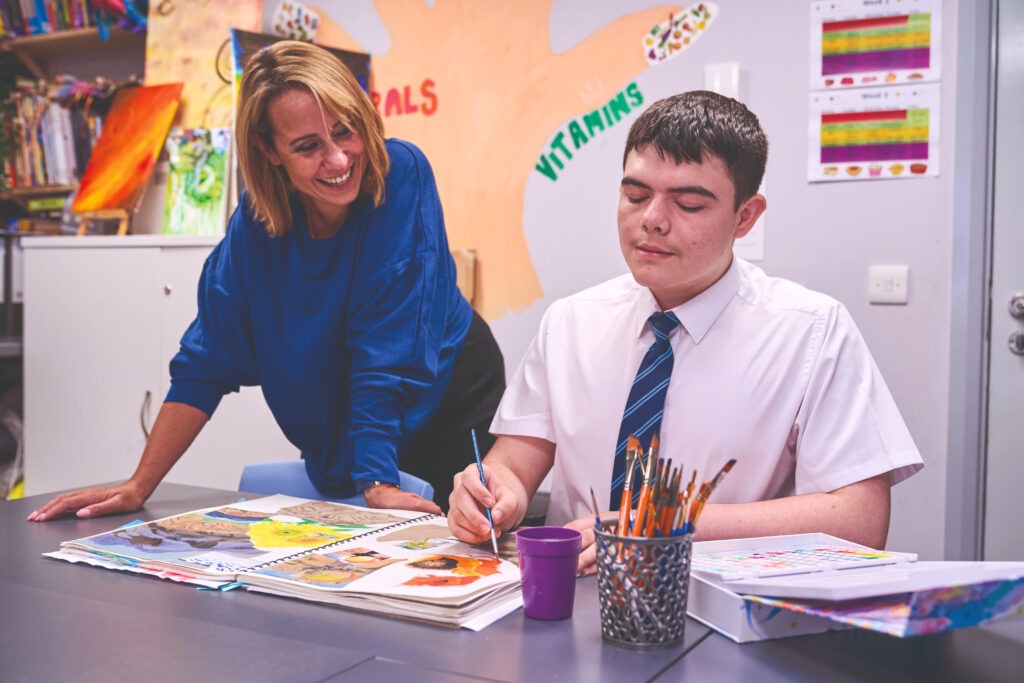
We have found that developing flexible, creative solutions are the key to making sure young people can access work experience and work towards their goals and ambitions. One method we have used is to develop spaces in school where young people can safely build skills—both for work and more generally socially—without the pressure of an unfamiliar public setting. For example, we created a mini-supermarket to support children with complex communication needs. With the support of their specialist teachers and therapeutic input from the in-house occupational therapy and speech and language therapy team, they are encouraged to practise key skills for life and work through play.
The school’s supermarket simulation offers opportunities to practise money handling, social interaction, sequencing tasks and real-life communication in a safe and predictable environment—skills many autistic young people may otherwise struggle to rehearse.
Schools can also embrace online and virtual work experience opportunities, as well as hosting their own in-house careers fairs, which we have found to be extremely helpful. Bringing local colleges and employers into the school environment which is already familiar to our learners minimises anxiety, while maintaining the opportunities they have to learn about the choices they have open to them. For learners who find new environments challenging, or who have mobility, sensory or communication needs, virtual work experience provides a flexible alternative. Delivered thoughtfully, it can offer insight into career pathways while minimising stress and allowing young people to engage at their own pace.
© Licensed to simonjacobs.com. 25/09/2024 Bury, UK. Keddleston Group – Mill School Bury Photo credit: Simon Jacobs
Nature-based enterprise
Outdoor engagement is particularly successful for autistic learners. One particularly striking example of flexible practice which incorporates outdoor learning comes from our sister school, Arc School Ansley, where an innovative beekeeping project has supported learning across science, sustainability, team-building and emotional regulation. The Busy Bees at Ansley initiative has enabled young people to develop enterprise skills, undertake Junior Beekeeping qualifications, and even set up a business selling honey and beeswax products. This project has also had clear therapeutic benefits. Pupils have learned that tending to bees requires calm communication and self-regulation, leading to improvements in anxiety management, confidence, teamwork and social skills. For young people who may not thrive in typical classroom conditions, this alternative learning pathway demonstrates the power of hands-on, interest-based education.
© Licensed to simonjacobs.com. 25/09/2024 Bury, UK. Keddleston Group – Mill School Bury Photo credit: Simon Jacobs
Learning beyond the classroom
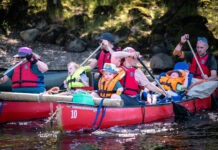
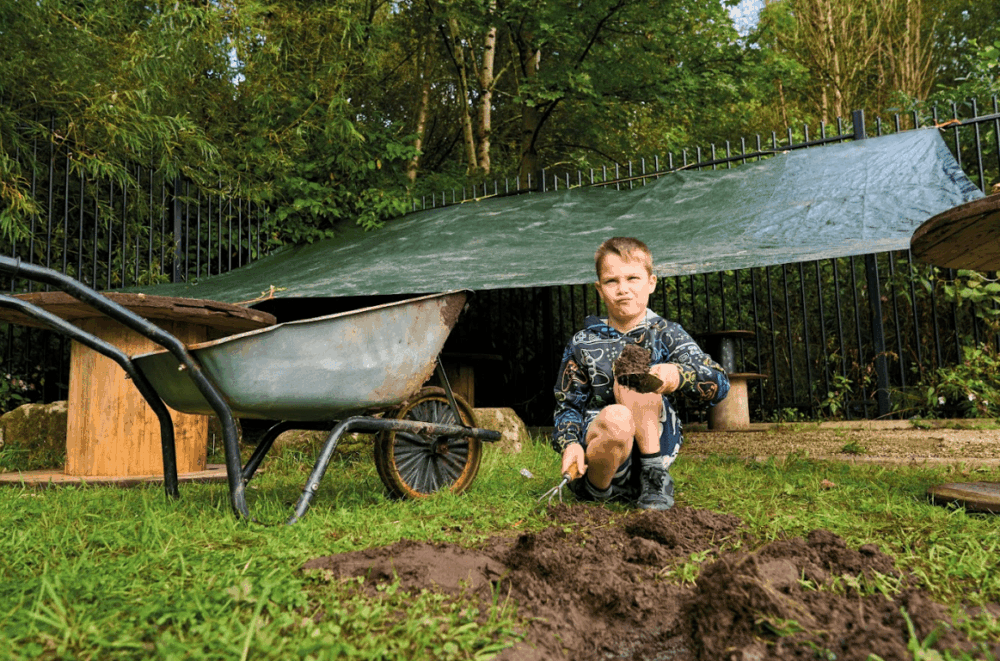
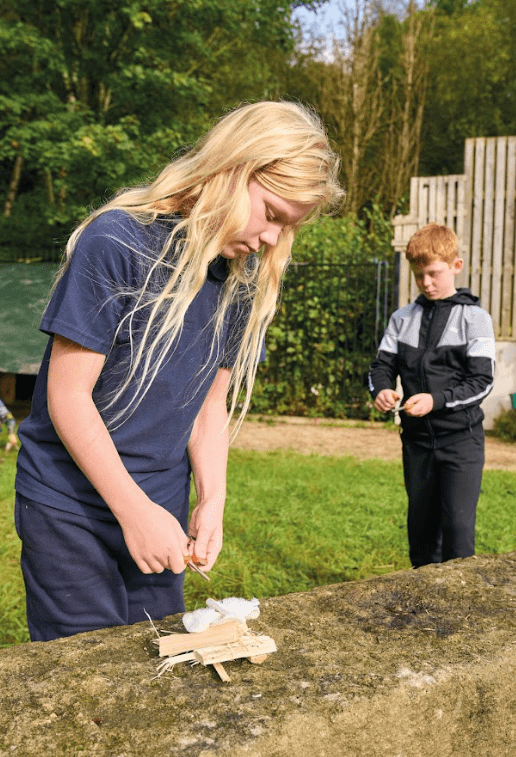
Not all learning needs to take place indoors, nor even on school grounds. Outdoor education and activity-based programmes play a significant role in developing resilience, teamwork and independence in autistic learners. Many schools, including ours, offer outdoor learning opportunities such as horticulture, forest school and experiential projects. Our curriculum, for instance, incorporates outdoor education and activities such as bushcraft and horticulture as part of the tailored choices available to pupils. It is highly adapted to students’ individual needs. Some children, for example, might go and source pebbles from the nearby stream, bring them back to school and paint them to represent emotions, helping them express their thoughts and views in a non-verbal way. We have also embraced Walking and Talking as a way of helping with regulation, and this works well too. The Duke of Edinburgh programme is another valuable option. Its flexible structure allows autistic young people to work toward recognised qualifications through activities aligned with their interests, whether creative, physical, skill-based or community-focused. Many specialist schools like ours use the award for its capacity to build confidence, social skills and independence in ways that feel meaningful and achievable for each learner.
Therapeutic support
The inclusion of therapy or assistance animals is growing in UK schools, and research supports their use in reducing anxiety and increasing engagement. The impact of the autism assistance dog mentioned above demonstrated how a well-trained assistance dog can transform a young person’s ability to attend and engage. This aligns with wider evidence that therapy dogs in schools can offer emotional regulation, improved attendance, and increased confidence. We also have our own therapy dog who is regularly sought out as a companion by pupils seeking to self-regulate, or just to enjoy some time with a four-legged friend. What connects all these approaches—from beekeeping to virtual work placements to therapeutic animals—is a willingness to be flexible. Often, autistic learners are not resisting education—they are resisting an environment that fails to meet their needs.
Flexibility reduces anxiety, acknowledges diverse communication styles. removes sensory barriers, centres the young person’s interests. builds confidence through achievable steps and creates pathways to future learning and employment. Ultimately, flexible, creative support enables autistic young people to thrive, not by changing who they are, but by changing the conditions around them. As the sector continues to evolve, it becomes clearer each year: when schools are flexible, autistic young people are able to access and engage with education in ways that are meaningful, dignified, and empowering.