

















This is the story of Leo, a bright six-year-old boy with a head full of questions and a heart full of energy. The story is narrated by Elizabeth Stephens-Sarlós.
Despite his excitement at starting school, Leo’s experience wasn’t going as smoothly as his parents had hoped. Every morning, Leo would burst through the classroom doors with a backpack that seemed too big for his small frame, ready for the day ahead. Yet, within minutes of sitting at his desk, things would start to unravel. His teacher, Mrs. Jenkins, would begin her lesson, but Leo’s focus would drift as if the words flew right past him. He’d squirm in his seat, tapping his fingers against the desk, his legs swinging back and forth uncontrollably. No matter how much Mrs. Jenkins tried to help, Leo couldn’t sit still for more than a few minutes. His pencil would roll away, his papers would crumple, and his attention would scatter to the noises of shuffling papers, buzzing lights, or the soft hum of the heating vent.
Rules were another tricky thing for Leo. While his classmates lined up quietly, Leo always seemed to be one step behind, either rushing ahead or lagging behind, unsure of what to do next. He’d ask to repeat instructions again and again, though he’d heard them just moments before. It wasn’t that he didn’t want to follow the rules—he tried—but his mind felt like it was constantly bouncing from one thing to the next, like a pinball in a machine.
Break-time, the time when most children burn off their energy, was another challenge for Leo. Though he loved running around, his body didn’t seem to cooperate the way he wanted. While his friends easily hopped over obstacles or caught balls in mid-air, Leo would stumble or drop the ball, his coordination just a bit off. He’d try again, his face scrunched up in determination, but he couldn’t keep up. His muscles always felt a bit weak, and his balance was unsteady, causing him to trip more often than not.
But perhaps the hardest part for Leo was his sensitivity to the world around him. Bright lights made him squint, and loud sounds—like the slam of a door or the buzz of a school bell—would make him jump. The other kids didn’t seem to mind, but for Leo, everything felt magnified. Even the texture of his clothes sometimes bothered him; the seams of his socks felt like they were scratching him all day long.
Leo’s parents noticed other things, too. He still had some habits they thought would disappear as he grew older. Sometimes, when he was deep in concentration—whether it was drawing or playing with his toys—he’d stick his tongue out or grip things too tightly, as if his body didn’t fully know how to relax. At night, they often found his bedwetting continued, even though he’d long passed the age when most kids outgrow it.
It wasn’t that Leo didn’t want to do well—he did. His heart was in the right place, and he had a deep love for learning. His parents, teachers, and even Leo himself just couldn’t understand why things seemed so difficult for him.
Leo’s journey was one of a child with an immature nervous system. Retained primitive reflexes—those automatic responses babies have—were still lingering in his body, making everything from focusing to motor skills harder for him. But with the right help and guidance, Leo’s story didn’t have to stop here. There were ways to help his nervous system catch up, and his bright spirit meant he was ready for the adventure ahead. He just needed the right tools to bring out the best in him.
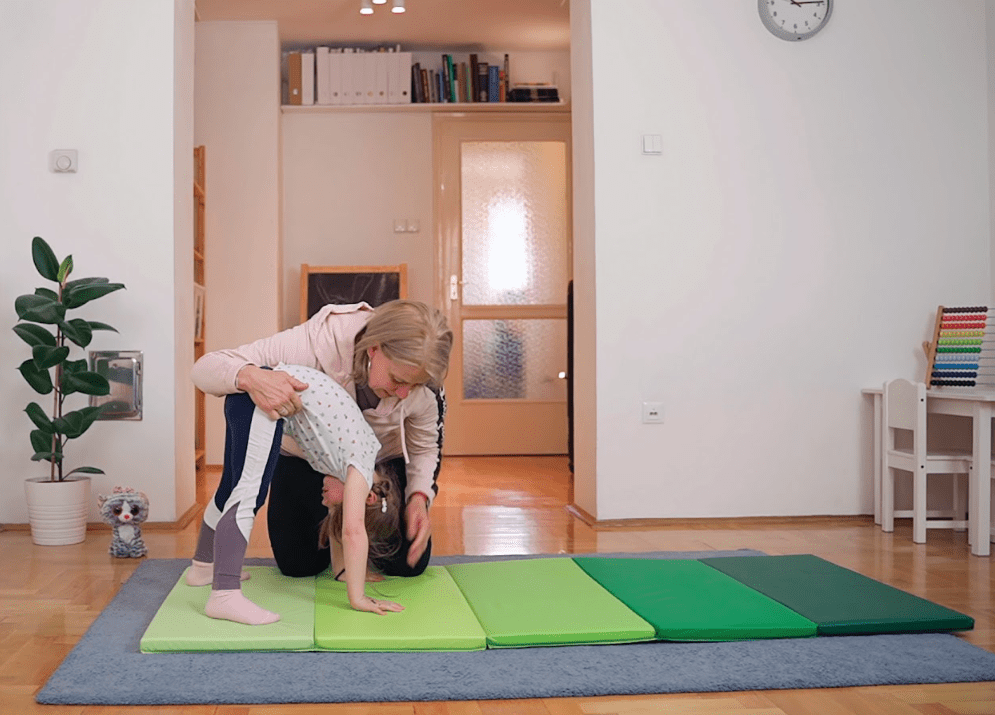
Leo’s story is a snapshot of a child with an immature nervous system, struggling to adjust to the demands of school. His inability to focus, constant fidgeting, difficulty following rules, and poor motor coordination are not just behavioural issues, but symptoms of a deeper challenge rooted in his neurological development. Like many children, Leo’s brain is still catching up with his physical growth. What Leo, his parents, and his teachers didn’t yet know is that the root of his difficulties might be retained primitive reflexes—those early automatic movements that help babies develop but are meant to disappear as the brain matures.
Children’s nervous systems don’t all mature at the same rate. At school-starting age, children may have a maturity gap of up to four years, even though they are the same chronological age. In Leo’s case, this gap is apparent in the way he processes information and interacts with his environment.
Primitive reflexes, like the Grasping Reflex or the Moro Reflex (startle reflex), are automatic movements babies use to respond to stimuli in their early months. These reflexes help babies learn essential skills like sucking, gripping, and positioning their bodies. However, as children grow, these reflexes should naturally fade as the cerebral cortex—the part of the brain responsible for higher cognitive functions—matures and takes over.
When these reflexes linger beyond infancy, it’s a sign that the nervous system has not fully matured. In Leo’s case, his brain is still holding onto these reflexes, causing difficulties with motor skills, focus, and sensory processing. His body is reacting in ways that are more in line with how an infant might respond to stimuli—through automatic, unconscious movements—rather than the more complex, voluntary actions expected of a child his age.
Movement plays a crucial role in helping the brain develop and refine its connections. Neuroscientist David Eagleman describes the brain as “half-baked” at birth, meaning that while genetics set the stage, environmental factors, particularly physical activity, help shape and complete the brain’s development. Movement stimulates neurons and helps generate new connections, which are essential for cognitive and motor development.
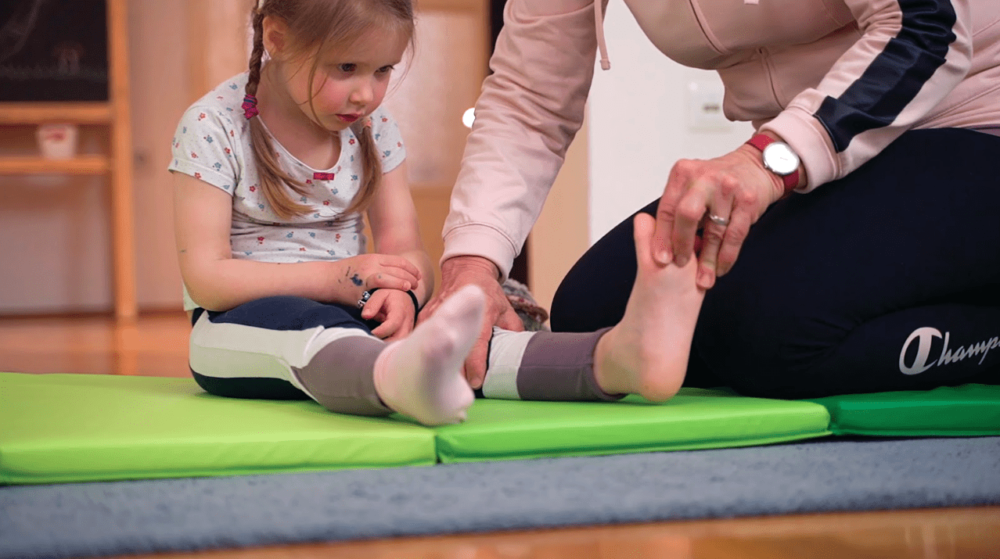
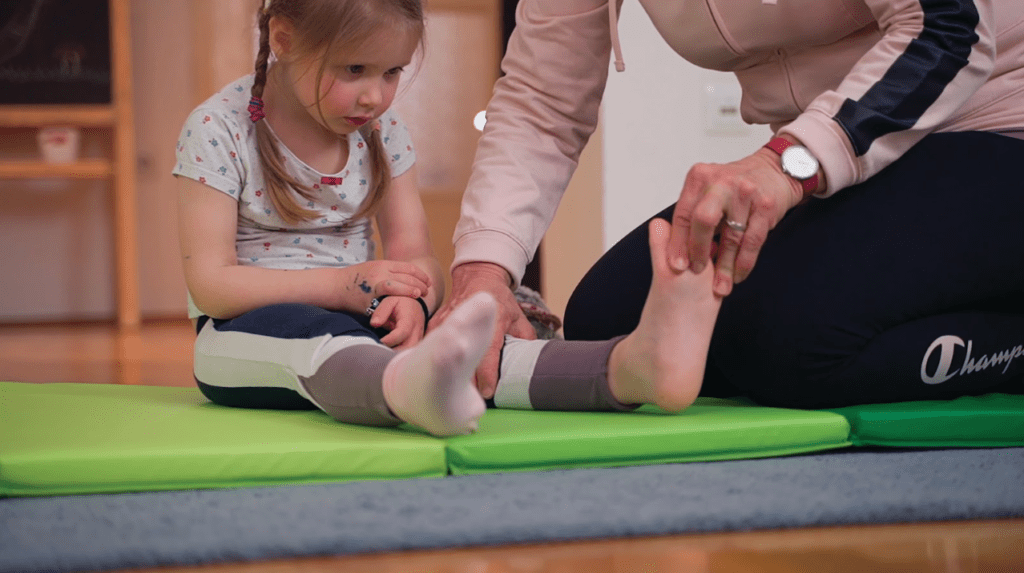
In Leo’s case, the more he moves, the more opportunities his brain has to develop. However, because he has retained primitive reflexes, not just any movement will help. Leo needs targeted, specific exercises that encourage his brain to mature by inhibiting these reflexes. These exercises are designed to provide the right kind of sensory and motor input, allowing the brain to develop the neural pathways needed to suppress these reflexes and move on to more advanced functions.
Just as learning an instrument requires regular practice, the nervous system needs consistent, targeted stimulation to develop properly. Daily sensorimotor exercises—activities like crawling, rolling, balancing, and other movements that mimic early developmental stages—can help children like Leo inhibit retained reflexes. These exercises stimulate the brain’s cortex and encourage the production of neurotransmitters that aid in motor control, focus, and emotional regulation.
For Leo, daily exercises lasting just 10-20 minutes can help his brain “catch up,” promoting new neuron growth and strengthening the connections necessary for learning and coordination. Over time, these exercises can help reduce his sensory sensitivities, improve his ability to focus, and enhance his motor skills.
Leo’s retained Grasping Reflex, for example, could be contributing to his difficulties holding a pencil and his constant fidgeting. If this reflex isn’t inhibited, his brain will continue to struggle with fine motor tasks. Similarly, retained reflexes can make everyday sensory experiences—like the sound of a school bell or the texture of his clothes—overwhelming for him.
Fortunately, by addressing these reflexes through sensorimotor exercises, Leo’s brain can start to mature and function more efficiently. These exercises not only help him develop better motor control but also improve his ability to process sensory information, focus on tasks, and interact with his environment in a more balanced way.
Leo’s story is not unique. Many children enter school with retained primitive reflexes that hinder their ability to thrive academically and socially. However, with the right support, these challenges can be overcome. Daily sensorimotor exercises provide a pathway for children like Leo to develop the skills they need to succeed. By targeting the root cause of their difficulties, we can help these children build the neurological foundation necessary for learning, emotional regulation, and motor coordination.
Parents, teachers, and specialists all play a vital role in this process. With consistent effort, patience, and the right tools, children like Leo can unlock their potential and grow into confident, capable people.
Nice article, I can empathise with this.
Yes! Describes familiar scenario
I have the author’s book and it’s really great. Helped me a lot with my twins.