

















Lauren Harris describes an initiative to support diverse learners and expand opportunities for passing the Theory Test.
For many people with neurodiversity, additional needs, or learning difficulties, the path to obtaining a driver’s license can present significant challenges. Recognising these barriers, a new initiative has been introduced to support people who face difficulties in passing the driving theory test. This programme is designed to provide tailored and accessible support.
For many people, the process of passing the theory test is more than just a technical hurdle, Traditional driving education methods often fail to accommodate the unique learning needs of neurodiverse learners, leading to frustration and exclusion.
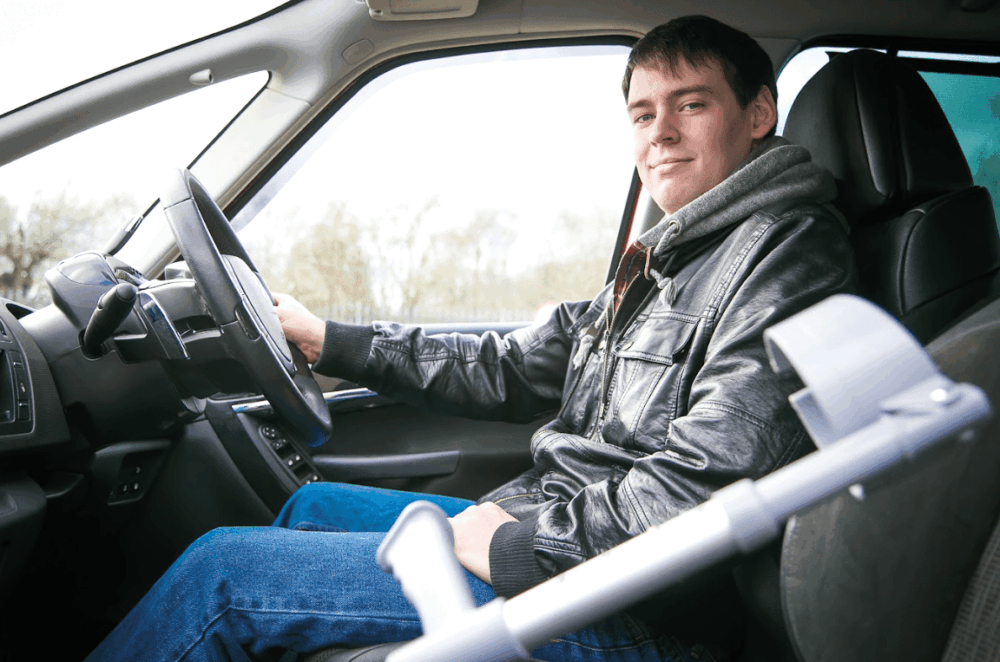
Billy had struggled with traditional education and found the driving theory test challenging. However, through personalised, one-on-one sessions that suited his unique learning style, Billy gradually gained knowledge and confidence. This approach, along with accommodations at the test centre to reduce stress and ensure focus, helped him pass his theory test at the first attempt—a significant personal achievement.
This kind of support highlights the need for programmes that recognise and address the learning barriers that neurodiverse people face, offering tools and techniques designed to build confidence and provide a more inclusive approach to education.
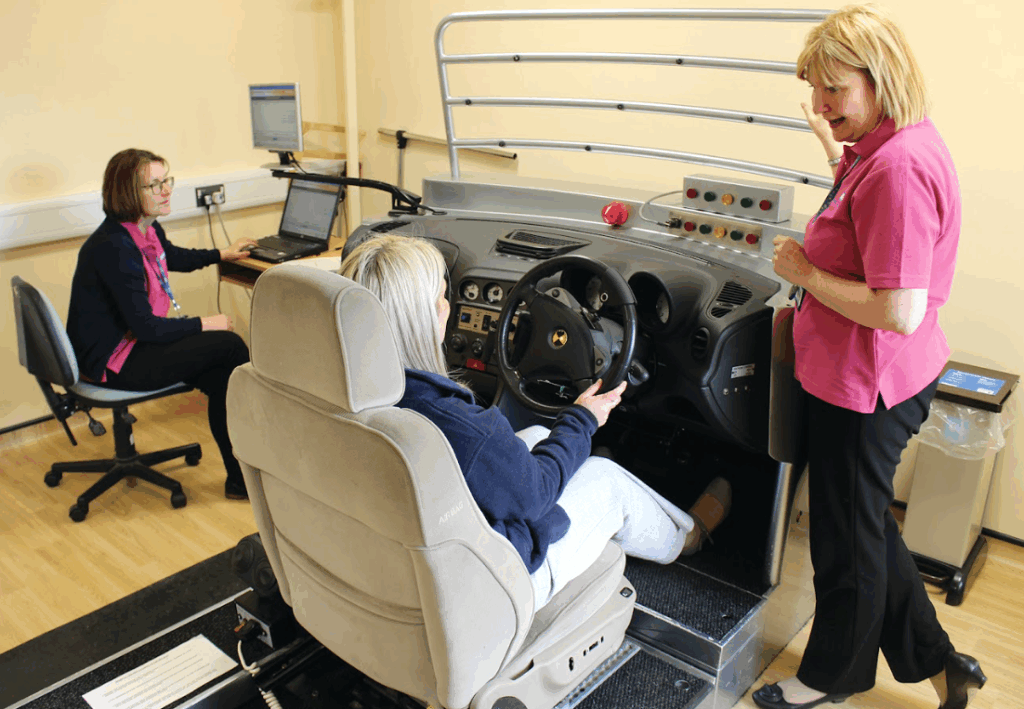
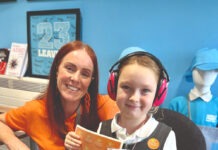
The Driving mobility programme provides comprehensive support for individuals with neurodiverse conditions, such as autism spectrum disorder (ASD), ADHD, dyslexia, and other cognitive differences, as well as those with sensory impairments. Several key strategies are employed to ensure that all participants can engage effectively without unnecessary stress. These include interactive learning tools, sensory-friendly environments and innovative teaching methods. Traditional text-heavy learning materials can be overwhelming or difficult for many neurodiverse learners. By integrating visual aids, interactive quizzes, videos, and simulation-based learning, learners can approach the material in a way that suits their individual learning styles, progressing at their own pace. The learning environment plays a critical role in how well people can focus and retain information. For those with sensory sensitivities, such as people on the autism spectrum or those experiencing anxiety, traditional settings can be distracting or overwhelming. By offering sensory-friendly spaces with features like noise-cancelling headphones, adjusted lighting, and flexible seating, learners can engage with the material in a calm, supportive atmosphere. The emotional and psychological barriers that many learners face, such as anxiety, can be a major obstacle. Gradual exposure techniques, positive reinforcement, and stress-reduction exercises help learners manage test-related anxiety and build confidence, ensuring they feel prepared not only to pass the theory test but also to face challenges with resilience.
These strategies are rooted in a commitment to inclusion, ensuring that everyone, regardless of age, background, or ability, has the opportunity to achieve their goal of becoming a licensed driver. There’s a growing recognition of the need for tailored support throughout the process of learning to drive. Passing the theory test is often a significant milestone that represents newfound independence, mobility, and opportunity. It is not just about passing an exam, it is about empowering people to overcome obstacles and realise their full potential, ensuring that everyone has the opportunity to take control of their own journeys, both on the road and in life.