

















When people ask Nicola Musgrove how difficult it is to raise autistic children, she says the most difficult thing about raising autistic children is raising autistic children in a world that’s not designed to meet their needs.
As a parent and teacher, I have experienced firsthand the complexities autistic children and young people face when navigating the environment around them. Attempting to live, function and thrive in a world designed for neurotypical people is difficult. As well as sensory overload, managing social situations and changes in daily routines can cause high levels of masking, stress, anxiety, meltdowns and shutdowns.
Masking is a way of the autistic child or young person attempting to fit in and belong in an environment which is often working against them not with them. Masking is often more than adopting mannerisms and copying behaviours, it can often be social survival, especially in the busy school or classroom environment. Masking may include hiding stimming behaviour, ignoring sensory needs, developing scripts or learning social cues and behaviours in order to appear neurotypical. This in itself can be exhausting and often lead to autistic fatigue and in some cases, autistic burnout. Children and young people are concentrating so much on fitting in, they find it difficult to concentrate and focus on their classwork. Masking can also lead to the individual losing their identity and cause mental health problems. As a teacher, I often had discussions with parents who would tell me their child would have regular meltdowns or shutdowns when they arrived home, despite appearing fine in their educational setting. Appearing to be fine in school is often because the child is masking their true self. When they arrive home, they let it all out and will often have meltdowns, or maybe withdraw in order to process the school day. Teachers will not often see this side of them, but it is important to acknowledge masking and support the parent.
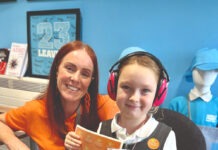
Speak to the individual to find out what they need to make life in the classroom easier. This may include providing tangible things like fidget toys, wobble chairs, wobble boards and ear defenders in order to make the environment more suitable for their individual sensory needs. In my experience, when sensory needs are being met, children and young people are more able to engage, concentrate and take part in classroom activities. Create an environment where children and young people are able to be themselves and accepted for who they are. Certain strategies used to promote inclusive practice in the classroom can often be used for all students, eliminating the need for autistic children and young people to feel different or othered. I often find that resources and strategies I use as a parent and teacher are helpful to everyone. What is necessary for some can be beneficial for all.
Understand shutdowns as well as meltdowns. When children and young people become overwhelmed and anxious, they can find themselves in a fight or freeze position. Meltdowns are often a result of highly stimulating environments, overwhelming sensory situations or demands which feel beyond their capabilities. Meltdowns usually present outwardly, they can be interpreted as frustration, upset, anger, loss of control and in some cases can be physical. This would align with the fight response.
Alternatively, shutdowns usually present inwardly and are more aligned with the freeze response. While in shutdown, an autistic child or young person may not seem themselves, they may be reduced to basic functions, they may struggle to communicate as they normally do (including not speaking), they may appear not to hear or ignore others, want to be left alone, feel like they suddenly have no energy at all, appear withdrawn and increase stimming. Often, a shutdown can be missed if the presentations are quiet. During a shutdown, it is important to let the child or young person have their own space and time to come round, while feeling safe and secure in their environment. It is important to recognise that meltdowns and shutdowns can be a way of a child or young person communicating their needs and feelings and that these are acknowledged.
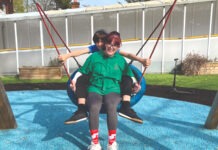
Provide opportunities for rest and reset. Masking is exhausting. By meeting sensory needs, the need to mask will hopefully be decreased. However, the school day and demands of the classroom can still become overwhelming, despite best intentions, in these situations, it is important to provide space and opportunity for children and young people to rest and reset. This may mean including regular movement breaks in lessons and planning for periods of time where children and young people can have a moment to process what has gone on, meet their vestibular sensory needs and recharge themselves for the next part of the day. As a parent, this could ensure that after busy periods during the day or even after activities the child enjoys, there is time for them to engage in something which brings them joy and energises them. This could be running around in an outdoor space, playing their favourite game or watching something they enjoy on TV.