














Daniel Smith on inclusive outdoor fitness for all.
The way we present and design opportunities to be active can often be unintentionally exclusive. If we want to create a culture of movement that truly works for everyone, fun, inclusion, and accessibility must be at the heart of how we approach outdoor fitness, especially in public spaces like parks and outdoor gyms. The benefits of exercise are wide-reaching and universally acknowledged. Regular movement boosts heart health, supports mental wellbeing, strengthens the immune system, reduces stress, and encourages social interaction. Outdoor fitness brings added value: it’s free, it connects us with nature, and it creates opportunities for people to move together. Yet despite all this, participation in regular physical activity still falls short of the World Health Organisation’s recommendations across all age groups.
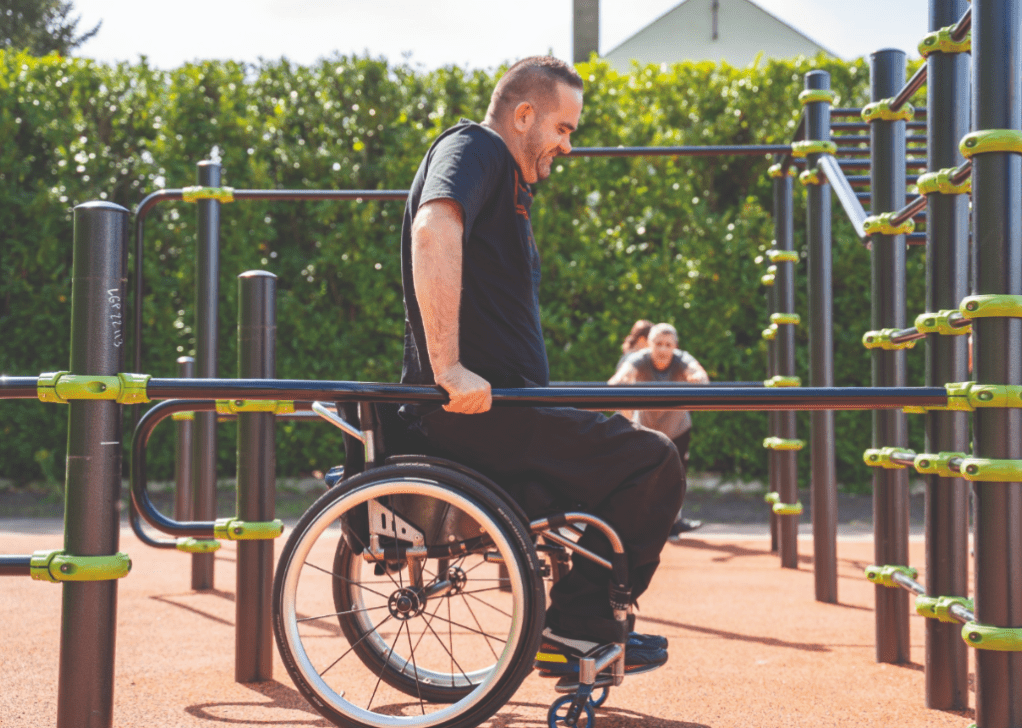
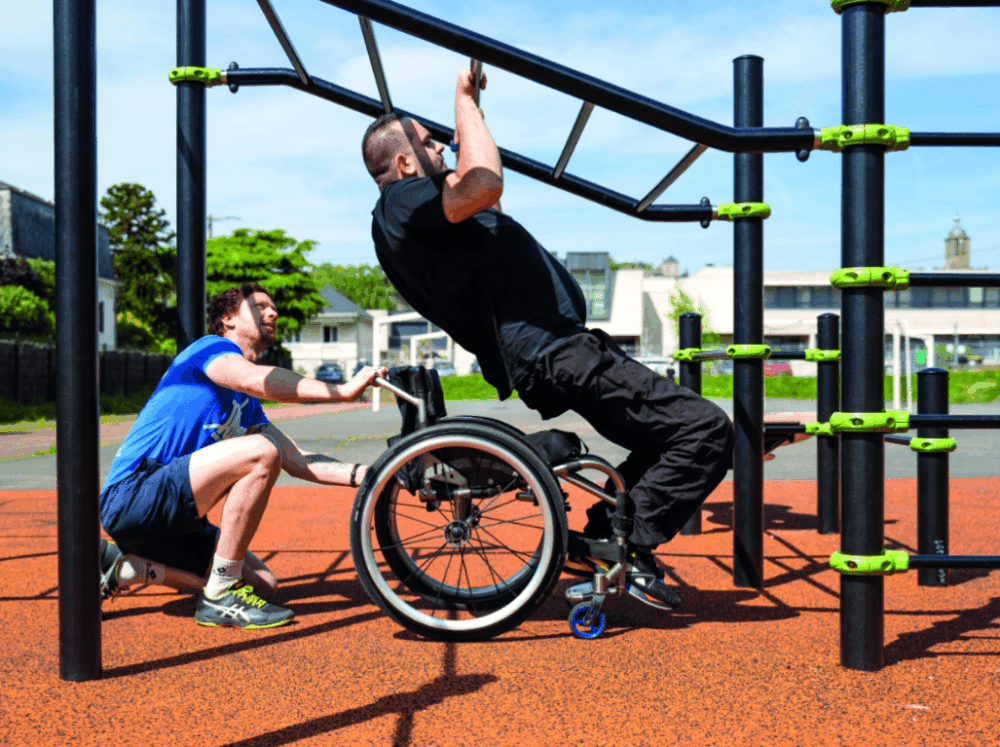
One key reason is that not everyone feels welcome or able to take part. Many fitness spaces still reflect narrow ideas of who exercise is really for. People who aren’t already confident, mobile, or experienced can find these environments intimidating, competitive, or physically inaccessible. For disabled people, these barriers are magnified. Much of the equipment in outdoor gyms is not designed with inclusion in mind. A lack of accessible pathways, uneven surfaces, and exercise stations that assume able-bodied use exclude people who would benefit just as much, if not more, from access to fitness.
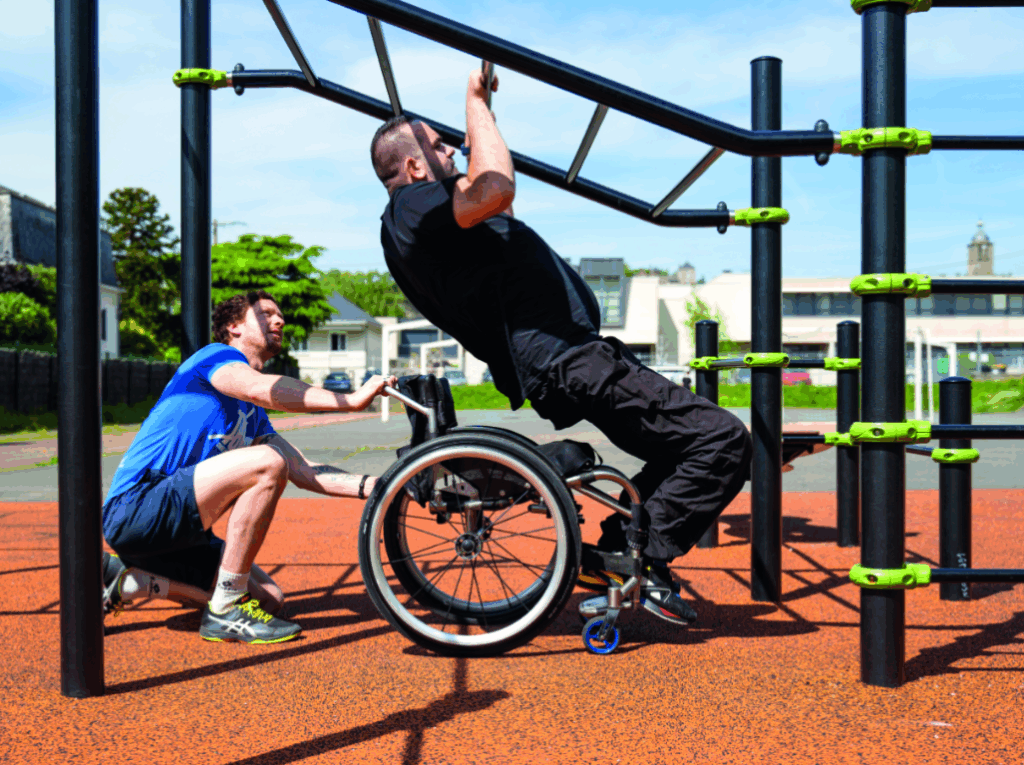
This exclusion isn’t just physical. When people don’t see themselves represented in the design or use of a space, it sends a message: this isn’t for you. That feeling of being left out or overlooked can be just as powerful a deterrent as any practical challenge. For disabled people, older adults, or those unfamiliar with exercise, this lack of visibility and accommodation can lead to lifelong disengagement from physical activity. Time and motivation are also common challenges, but often it’s not about having time—it’s about wanting to spend it that way. If movement is framed as a joyless obligation, it naturally falls down the priority list. But when it’s seen as something fun, sociable, and adapted to one’s abilities, it becomes a meaningful and rewarding part of life.
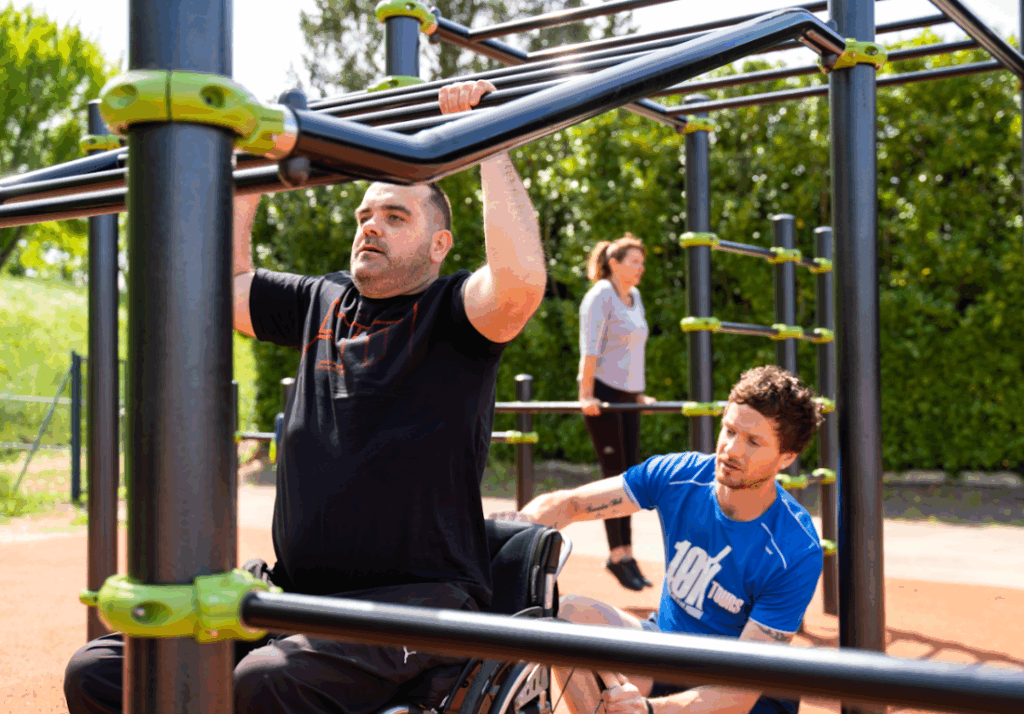
To address these barriers, we must build outdoor fitness spaces that are genuinely inclusive. That means equipment designed for all bodies and all abilities—spaces that are intuitive to use, socially engaging, and non-judgmental. Fortunately, inclusive outdoor gym equipment does exist and is becoming more widely available. These designs support mixed use, multigenerational activity, and full accessibility, helping everyone, regardless of age or ability, take part in physical activity comfortably and safely.
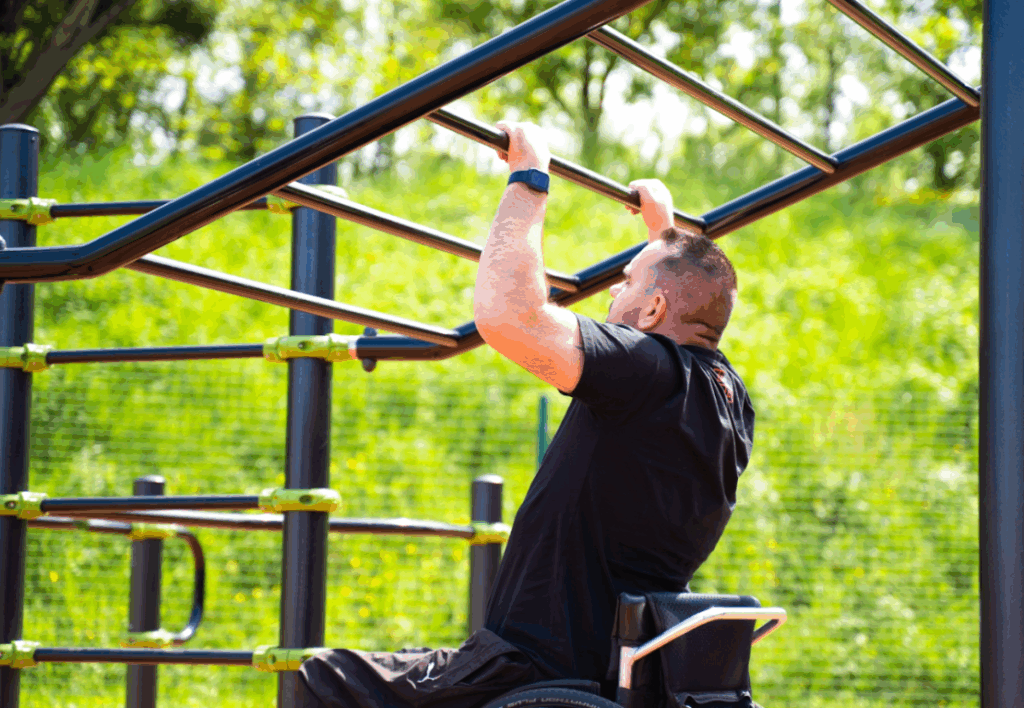
Play and movement are basic human instincts, and everyone deserves the right to enjoy them. By making our outdoor fitness spaces inclusive and inviting, we create communities that move together, support one another, and thrive together. Fitness shouldn’t feel like a duty—it should feel like something everyone can share in and enjoy.