










David Jones describes some of the processes he and his team have been through in understanding the needs of neurodivergent
visitors and people with access requirements.
Accessibility isn’t something you get right and then tick off your to-do list. It’s a continuous process of listening, learning and adapting—often in ways you don’t anticipate. Over the years we have worked with people who have lived experience of neurodiversity and a wide range of access needs. These conversations have been crucial in helping us understand what inclusion really means in practice.
One of the first things we learned was that it doesn’t mean a one-size-fits-all approach. People experience things differently. For some, the lighting or background noise can be overwhelming. For others, the welcome is important, and knowing that they can take more time or more space, or ask for support. Rather than guessing what people need, we’ve made a point of asking and being as open and accommodating as possible, and this has helped us make adjustments. Some of the changes might seem insignificant to someone not attuned to the needs of communities with access needs, but they make a big difference to many in our audience.
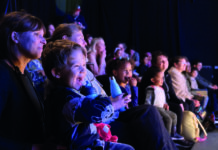
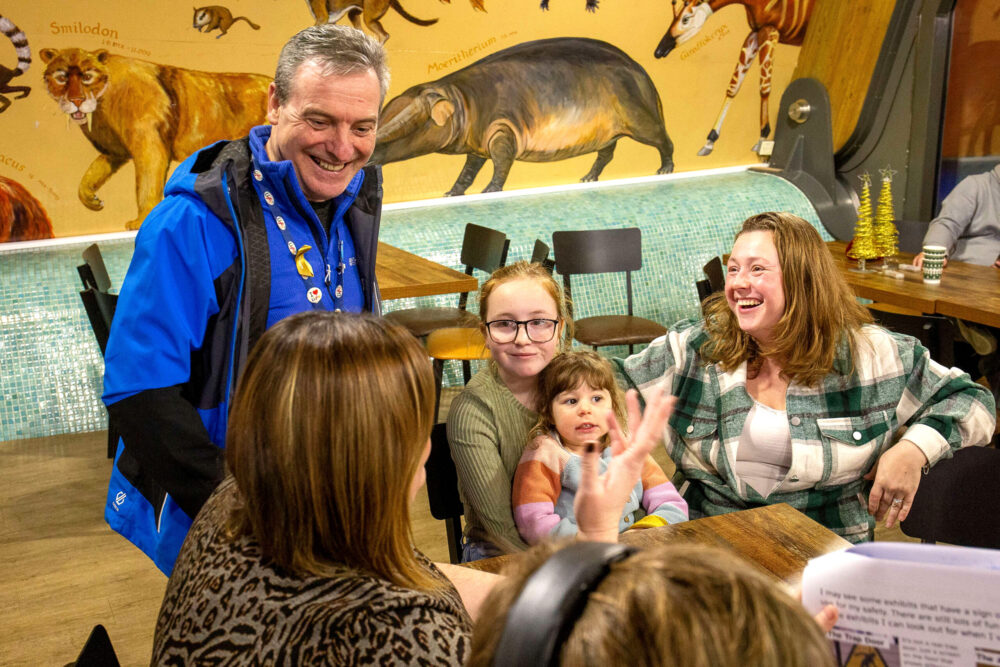
Working with North East Autism Society, we understand the value of a calmer atmosphere for neurodivergent visitors to explore, learn, and connect with science at their own pace. Lighting and sound levels are altered, and even the hand dryers in the toilets are turned off. Doors are left open throughout the relaxed performances, allowing visitors to enter and exit freely.
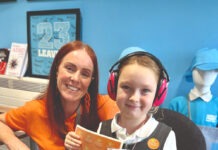
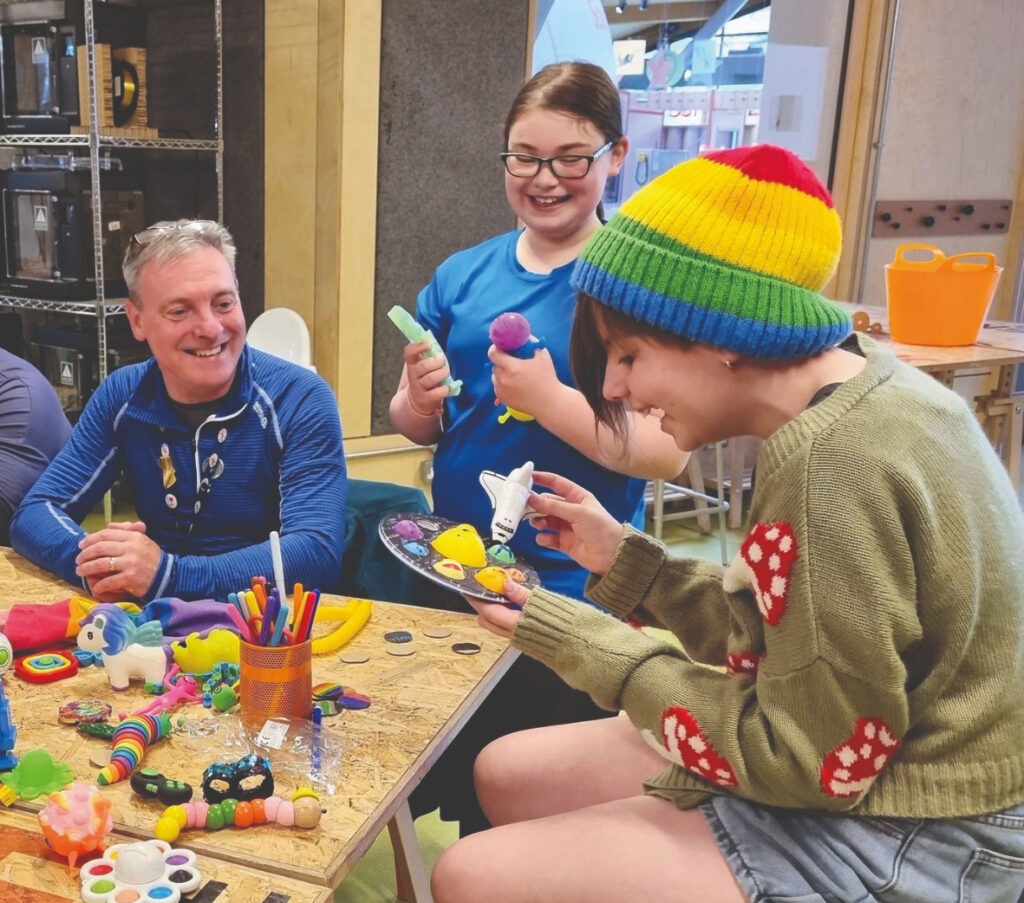
Sensory maps and visual stories help our visitors to plan their visit before they arrive, which can be hugely helpful. Sensory bags available to hire at reception, include items like fidget toys, sunglasses, ear defenders and a visual story, all of which helps to empower visitors with sensory needs to manage their visit.
Staff training on everything from Makaton and autism acceptance to visual impairment training has been another important part of our journey. Educating staff on the diverse needs of visitors helps the team to focus on empathy, communication and practical support for all our visitors.
These initiatives are about more than just accessibility—they’re about fostering a sense of belonging. None of the changes happened overnight. They came from partnerships built on trust and from a willingness to listen and keep the conversation going.