













Feeling comfortable and relaxed enough to attend the theatre—that’s the thing, says Sarah Schofield.
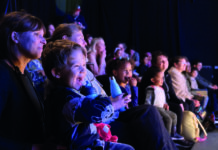
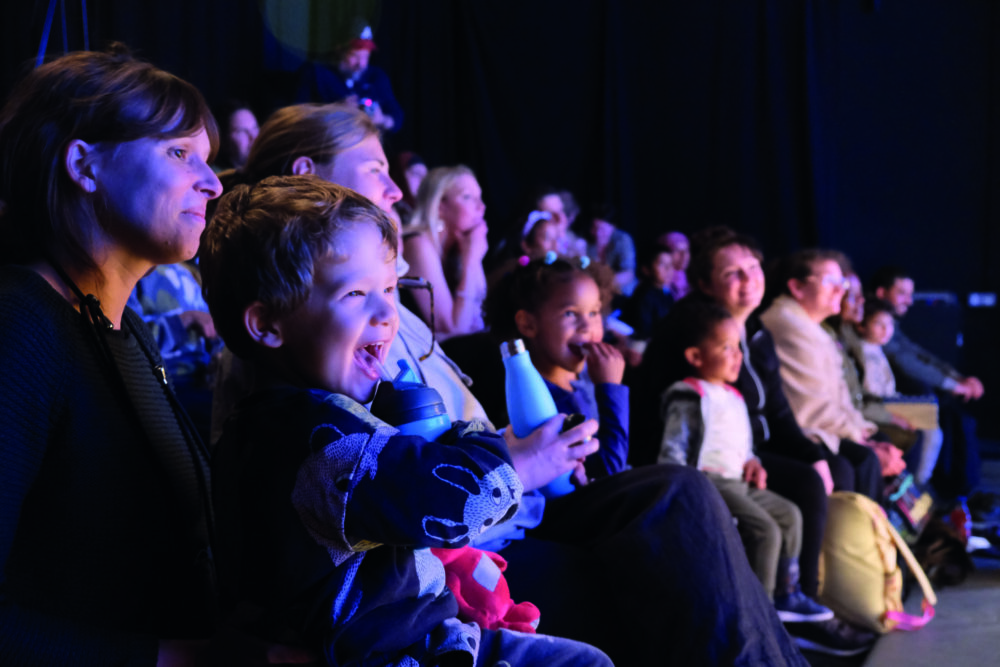
Relaxed performances are adapted for those who would benefit from a more relaxed environment, or are uncomfortable with sudden lighting changes or loud noises, including those with an autistic spectrum condition, sensory or communication needs or a learning disability. The house lights stay on at a low level, so it is never completely dark. The doors to the auditorium are open to allow for easy movement in and out of the space, with a designated chill-out area where audience members are welcome to sit and take some time out at any time during a performance.
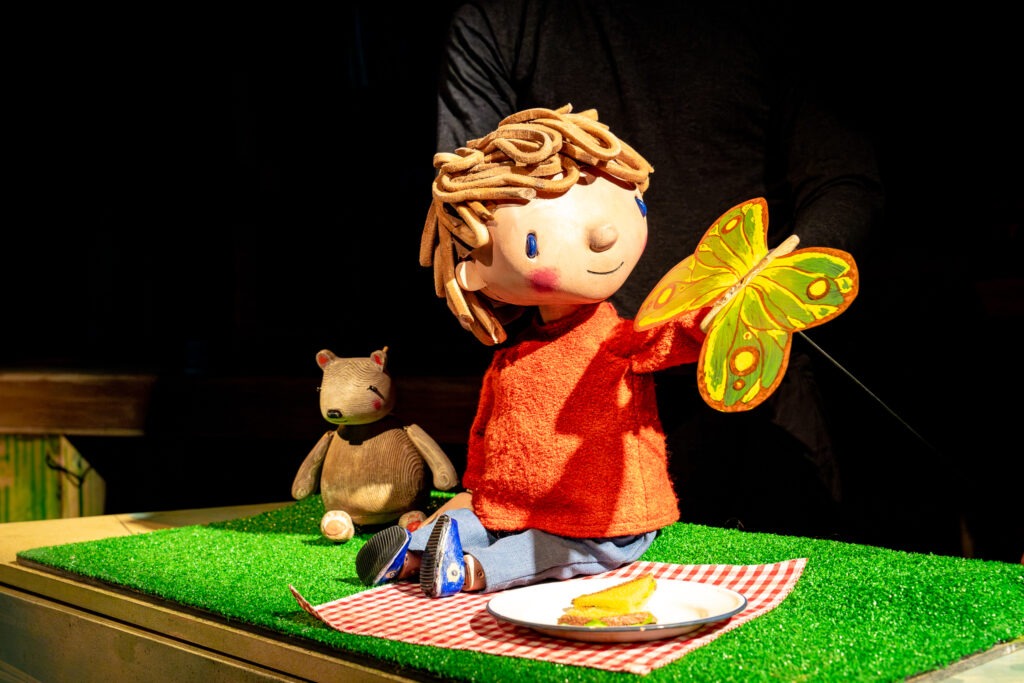
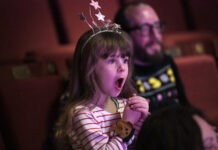
The number of tickets is reduced, allowing more space for those who are in the audience, and movement around the space is allowed—except in the performance areas, and bearing health and safety in mind. There’s no pressure for audience members to feel that they need to be silent during the performance, although as a theatre who specialises in work for children, and who often encourage participation as part of our productions, our audience members are often fairly vocal anyway. We put on the same show at our relaxed performance as all of the others in a run, but if there are particularly loud, bright or scary moments, we take these down a notch. Visual stories accompany all of our shows, so that audience members know in advance what will happen during the show.
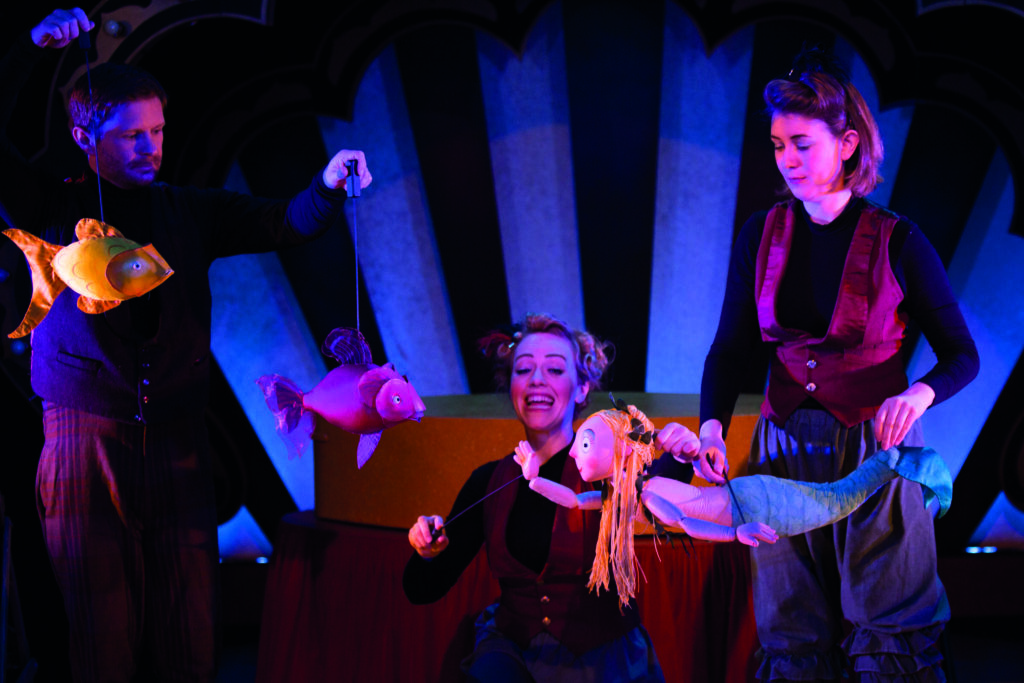
For many families, a relaxed performance is the only way they feel comfortable and confident enough to attend the theatre without judgement. Relaxed performances are one way of ensuring that anyone who might struggle with the traditional confines of “acceptable” behaviours in a theatre can finally relax and enjoy it.