








If music was the thread which flowed through education, we’d raise our overall cognitive capacity, writes Rachael Diop.
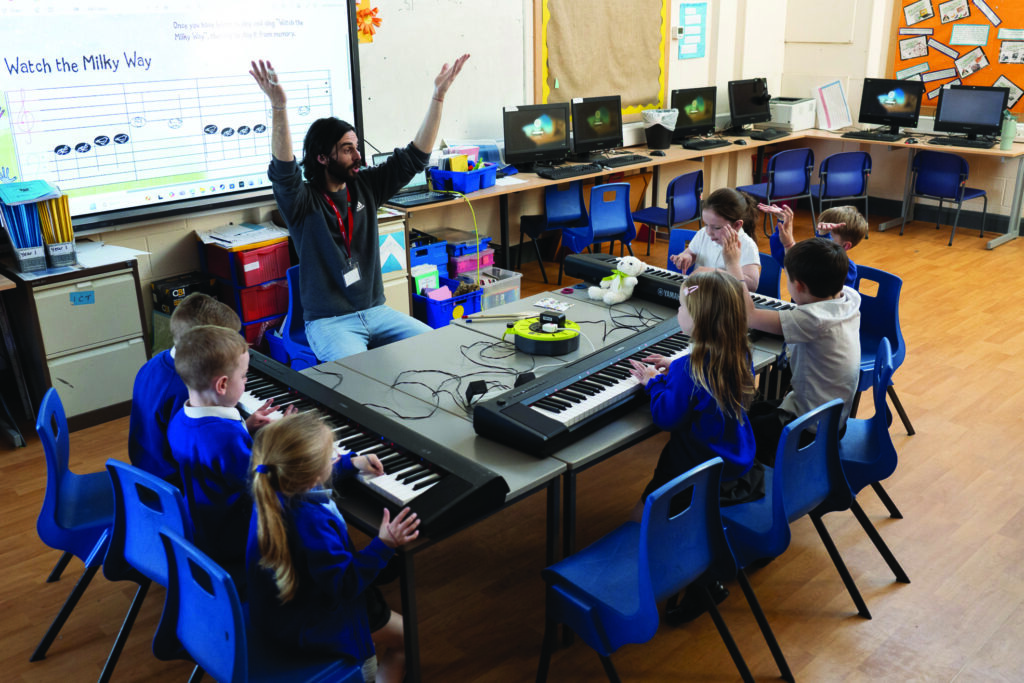
Teachers are often working with groups who have hugely varying needs. One child is tactile learning through touch. Playing an instrument is immediately meeting that need, with each instrument having its own textures to explore. Another may be a kinesthetic learner, and you have to move to play an instrument. The movements are vastly varied depending on what you play, so there’s something for everyone. Someone else in the group needs to make sound to help them process information. Another needs visual input… Playing music in a group meets all these needs.
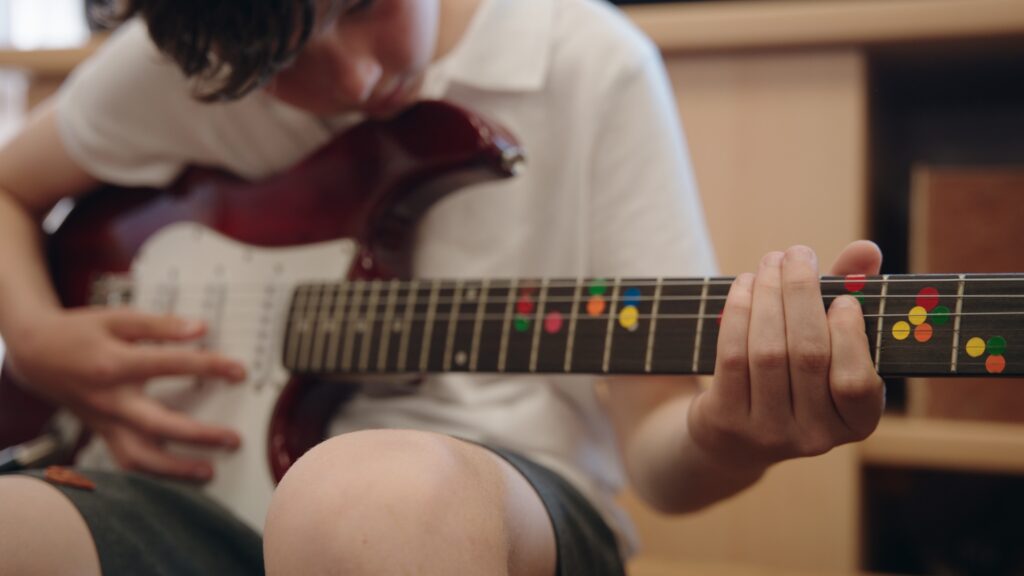
Music is the one thing that includes all learners and impacts our whole brain. Through listening to and playing music, we develop a wealth of knowledge and skills. We develop our emotional intelligence and our ability to connect with others, and more deeply with ourselves. There is simultaneously individuality and assimilation in a group playing music together. To converse through playing an instrument creates a dialogue without words, where an individual can express themselves, while also feeling connected with others. It’s an automatic leveller for SEN learners, where everyone can make their own unique contribution to the ensemble. Music making is not about right or wrong, it’s just another version or mix. All have their merits. Additionally, non verbal expression helps us express our feelings and releases tension through creativity.
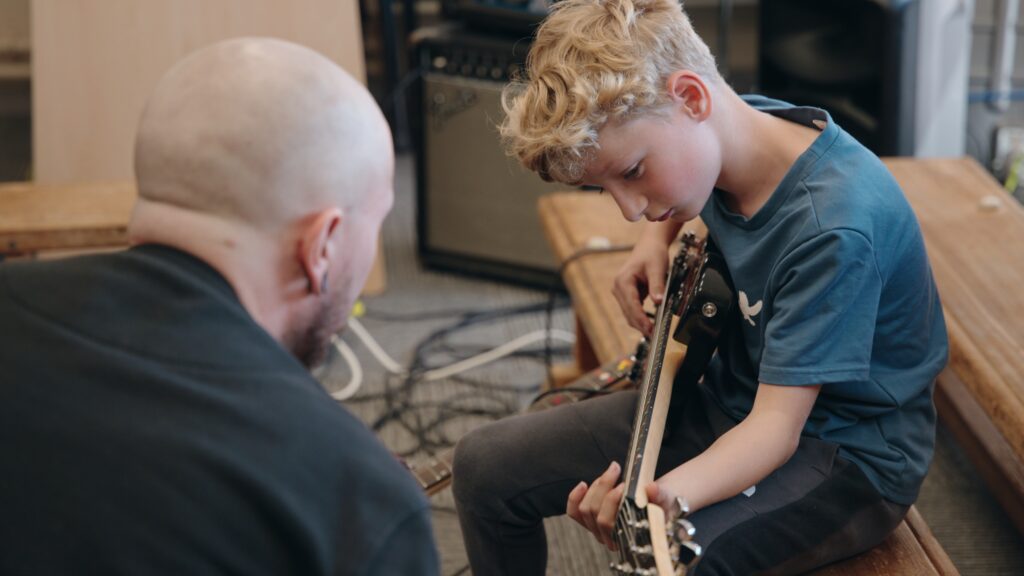
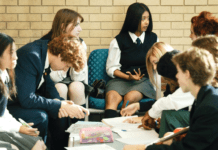
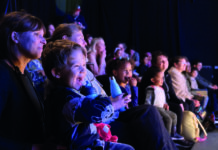
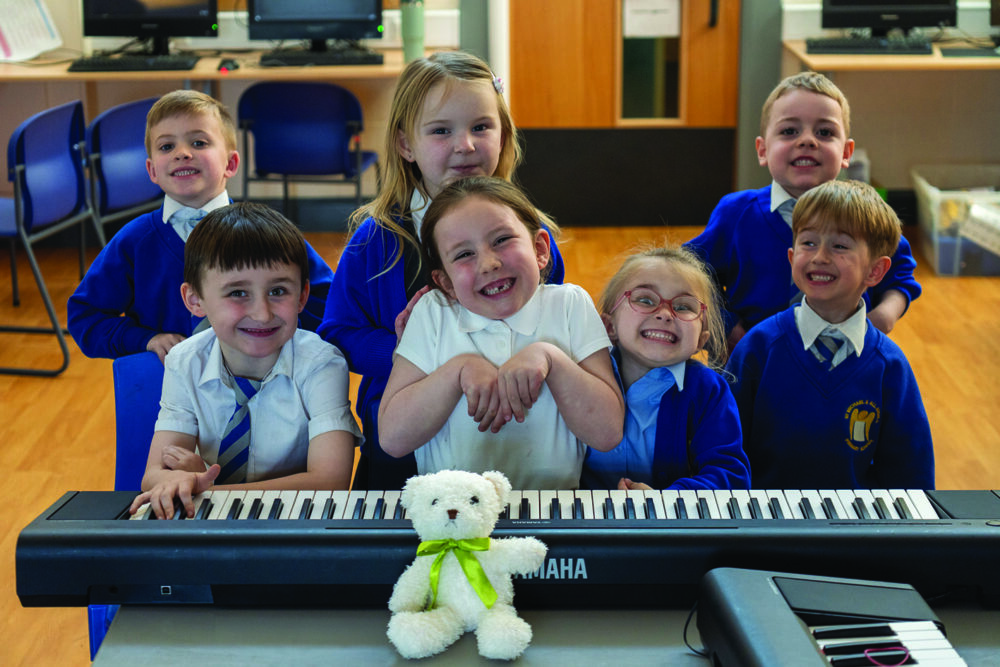
The feeling of equity that group music-making creates breeds confidence. As we hear another’s line of music, we are responding in real time, validating their contribution and creating stronger bonds. I have seen children walk out of a music class seeking out a new friend who they connected with in class, or new-found respect for the quiet child who played a beautiful melody that became the hook of a song we created. I remember the changes in the atmosphere in the room as well as in the body language and facial expressions of the children in the class.
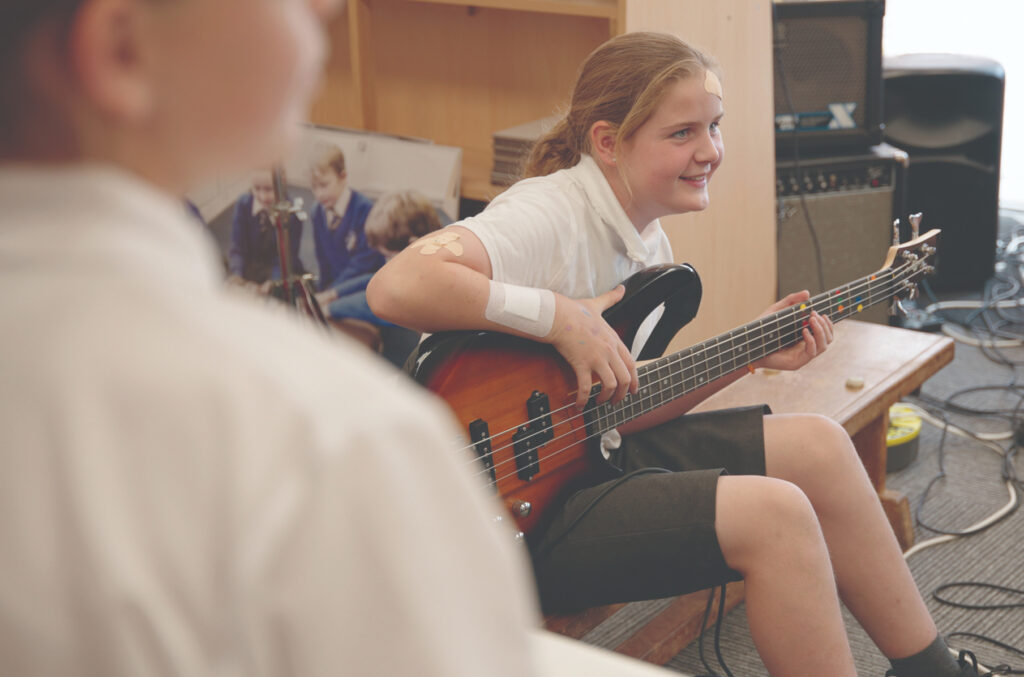
Photos copyright SoMi Academy CIC.
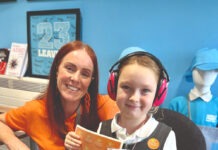
This isn’t limited to children. I increasingly work with teachers and school staff, and I love to see the development of their confidence and understanding as we go through our sessions, singing, playing and creating while learning music holistically. The creativity fostered and developed through this way of learning also develops our ability to creatively solve problems as our brains are functioning on multiple levels simultaneously.
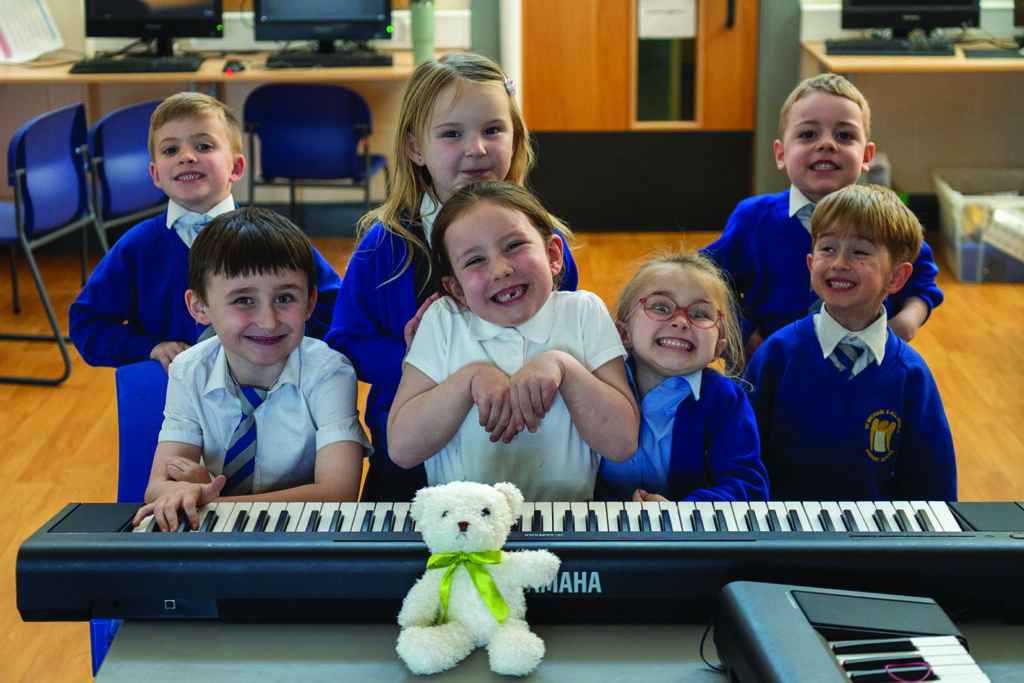
Photos copyright SoMi Academy CIC.
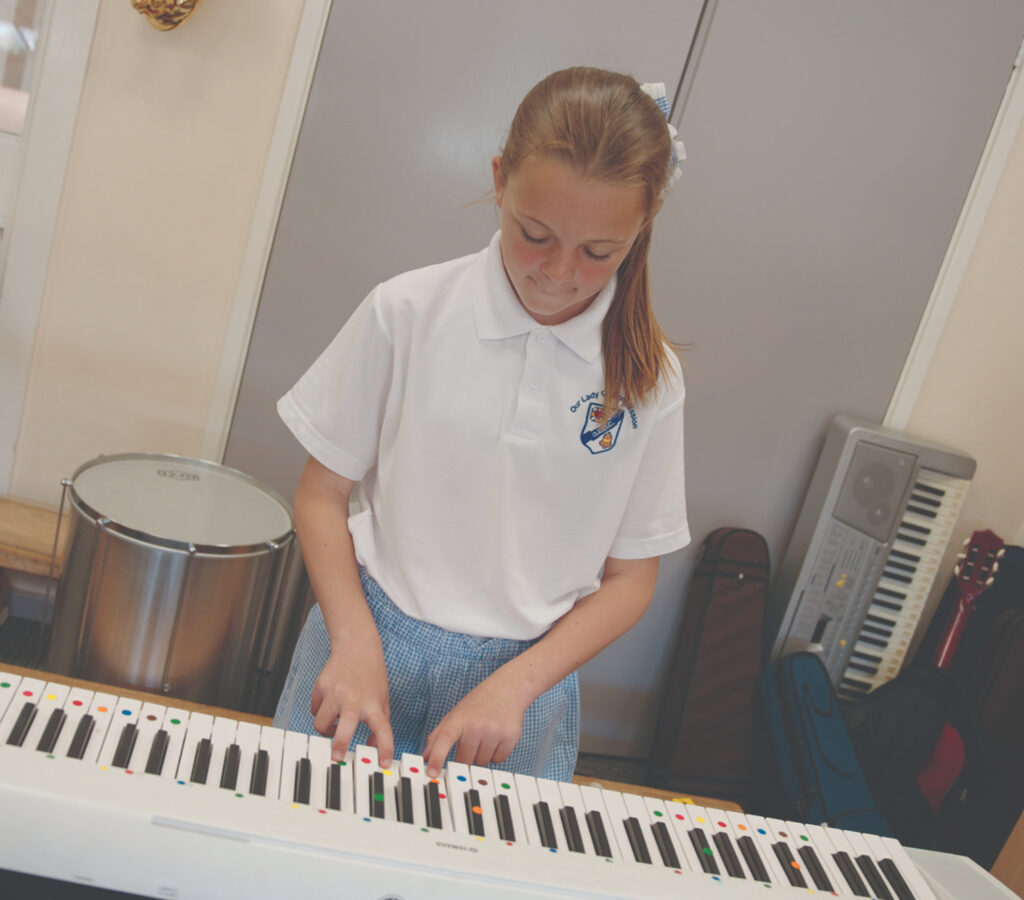
Through repetition we develop the motor skills we need to create the sounds we want. Striving to achieve this goal helps us to develop resilience through practice, building incrementally on what we have previously learnt and mastered. The important part of learning to play an instrument is just that. It doesn’t feel like work. It’s fun. And we all know that we learn best when we are enjoying ourselves and immersed in the activity.
Photos copyright SoMi Academy CIC.
Listening skills play a vital role in developing empathy and understanding. We listen to different kinds of music and reflect on what we hear and how we feel as we listen. We’re learning about the composer or writer, and learning more about that piece of music broadens our understanding of our geographical and emotional worlds. This fosters empathy and opens up new channels of communication. Listening to music lights up many different areas of the brain as we decode and make sense of the music’s different elements: pitch, rhythm, dynamics, timbre, metre, tempo and texture, and then put them all back together in a split second, making sense and soul of the music.
Photos copyright SoMi Academy CIC.
Playing a musical instrument sets off a firework display in the brain developing the brain and the self like nothing else. The corpus callosum, the path linking the left and right sides of the brain, is bigger in musicians than non musicians. This demonstrates how playing a musical instrument (and this includes the voice, where we ourselves are the highly tuned instrument) unifies the intellectual and emotional intelligence. This bigger bridge allows messages and signals to travel faster along more varied pathways helping musicians to solve puzzles and problems more creatively and quickly. Musicians also have highly developed memory systems where each memory has multiple ‘tags’.
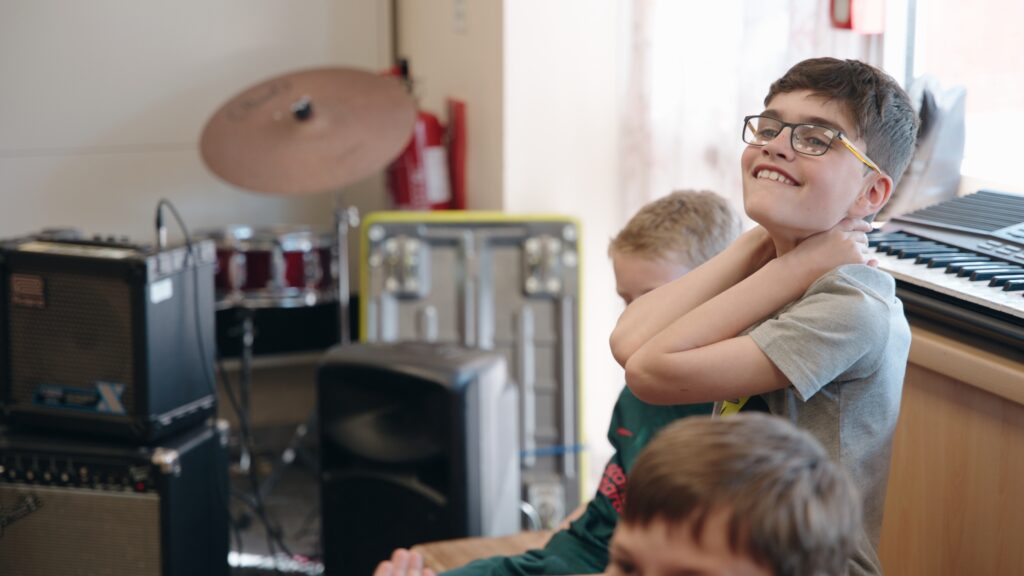
With all this in mind, if music was the thread which flowed through education, we’d raise our overall cognitive capacity, helping us to approach new things more confidently. And for those of us with any mistiming issues between our visual, auditory and motor cortices, music guides it to the same beat and tempo! And if anyone needed further convincing…playing an instrument needs and teaches self discipline bringing self fulfillment as well as fostering an individual’s maturity.
With so many varied ways of learning—hearing, singing, seeing, moving, feeling—physically and emotionally—music involves every part of the brain and engages the motor, visual and auditory parts simultaneously. This aids memory function and allows us to more deeply absorb what we are experiencing, making sense of the world around us and helping us to relate to it with more understanding, empathy and compassion.
What instrument are you going to pick up and play?