









Kirsty Purnell enthuses about inclusive dance sessions for SEN schools.
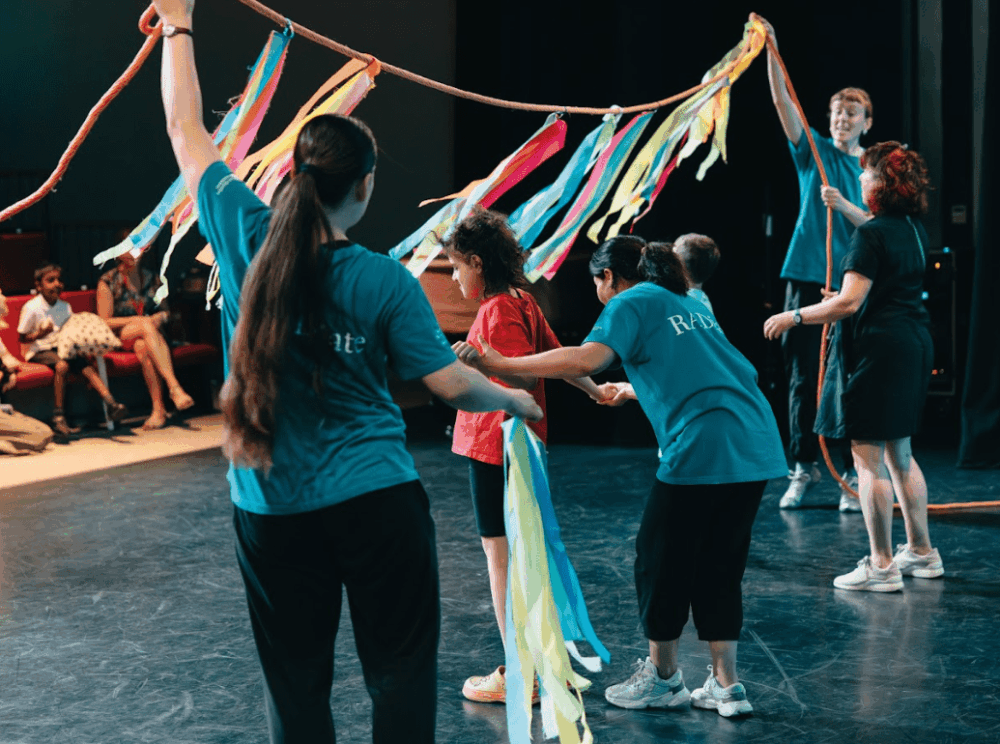
Sessions often start with a way of greeting everyone in the room, often using a co-operative stretchy elastic (like a giant scrunchy) that creates a big circle with sensory feedback from the elastic as it moves.
Purposeful language is important, often supported with the use of Makaton, and using open language ensures that sessions are inclusive. Instead of jump, walk or run, we use up, down, open, close, stretch, zoom or travel. This creates an inclusive culture in sessions for all dancers and validates individual movement responses. We create an atmosphere together using music and shared attention. Repetition of the opening and closing of the session means that everyone knows what to expect, which allows for regulation and a building of anticipation of what’s to come.
The importance of feedback
As well as dance skills during sessions, we observe students and gather feedback. How is their communication and understanding? Can they make requests and choices? Do they greet others and communicate about emotions, dance or the sessions?
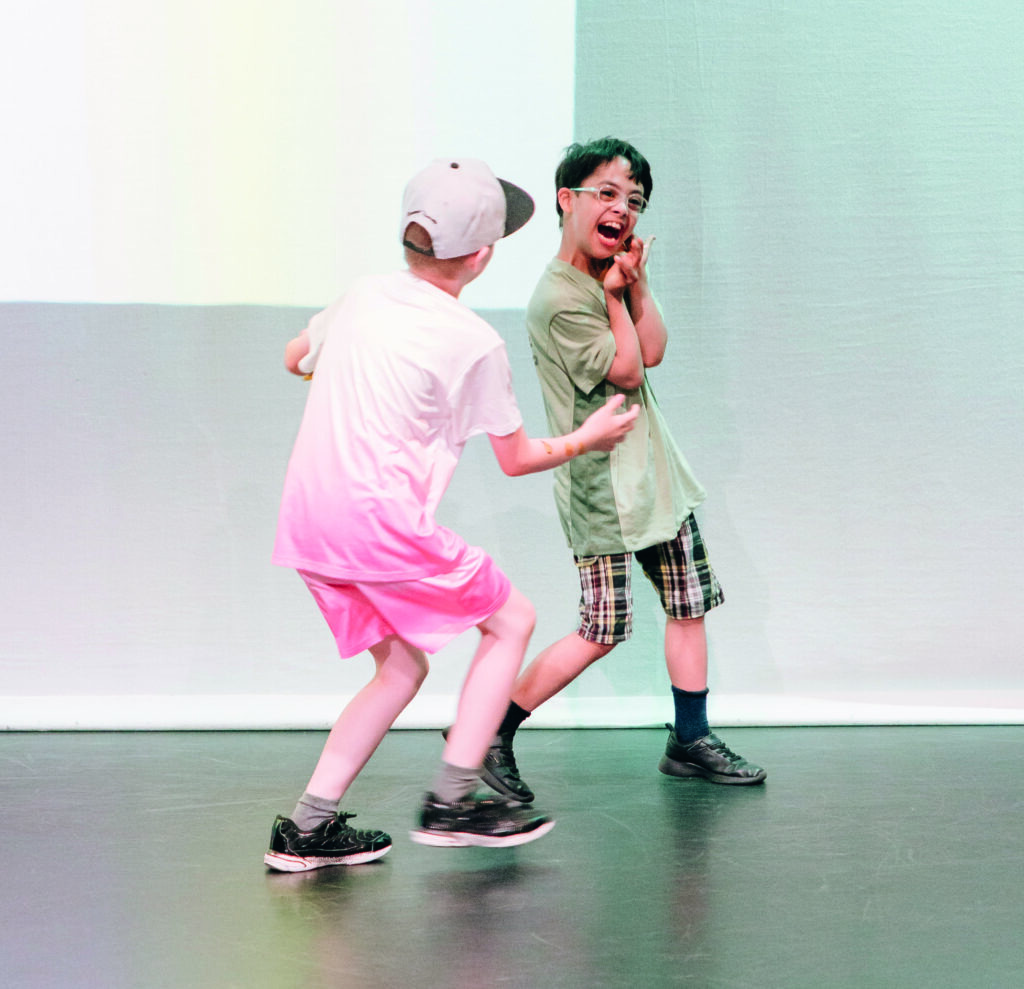
How is their creative expression? Are they developing autonomy, responding to rhythm, to music, to props, using their imagination?
We observe students’ physical skills. Can they demonstrate a range of movements? Can they link movements together and recall movement?
We look for social skills. Can students work in a group, or in close proximity to a group? Can they take turns? Can they engage in intensive interaction with adults?
And we watch for well-being and regulation. Can students transition to session, finish session more regulated, understand their emotions? This demonstrates the impact that dance can have beyond just physical skills and support young people in multiple areas.
Moments of magic
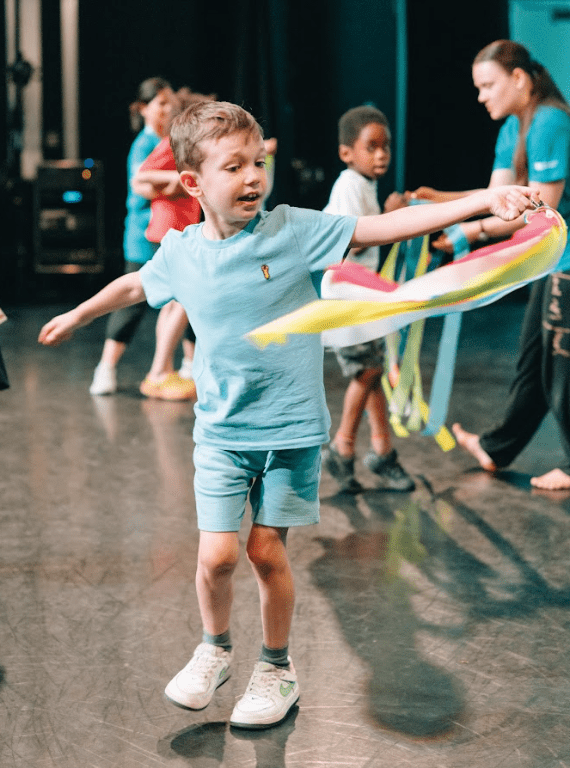
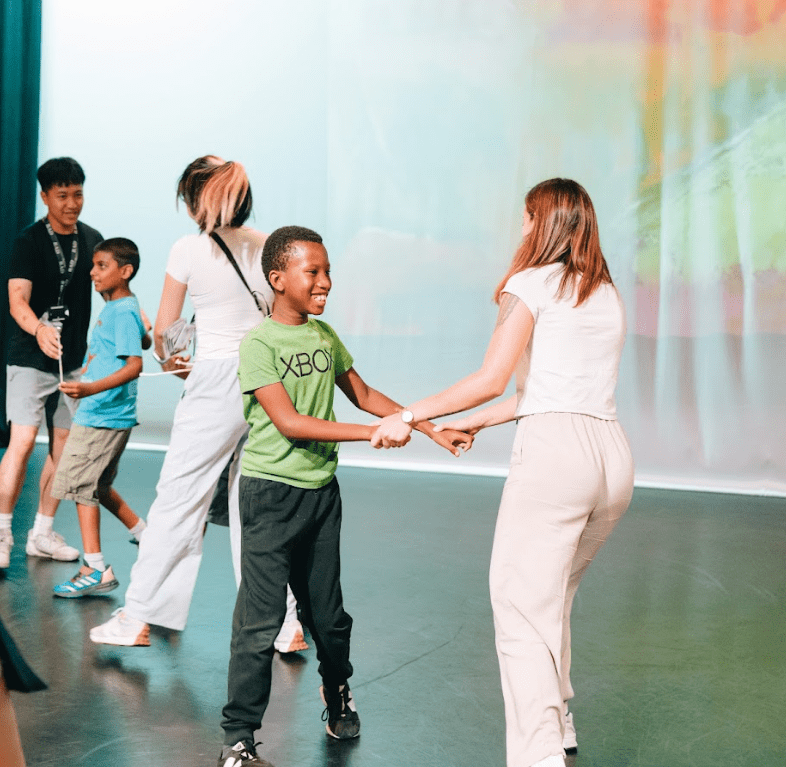
One of the greatest joys is the privilege of working with students over an extended period and seeing their development. Those moments of magic when, for example, you see a student who, when working with feathers, manages to access a new movement quality of softness and lightness when dancing with their supporting adult. Or the student who has taken part consistently over two years and who, whenever we enter the room for dance, demonstrates how excited they are for the session. This familiarity and the joy associated with dance has fed positively into his overall well-being and experience at school.
The power of dance
I learn so much from working with wonderful young people and adults, and it has taught me a lot about the power of individual movement expression. It is so rewarding to build relationships with the students and see the happiness on their faces when we walk in before we start.
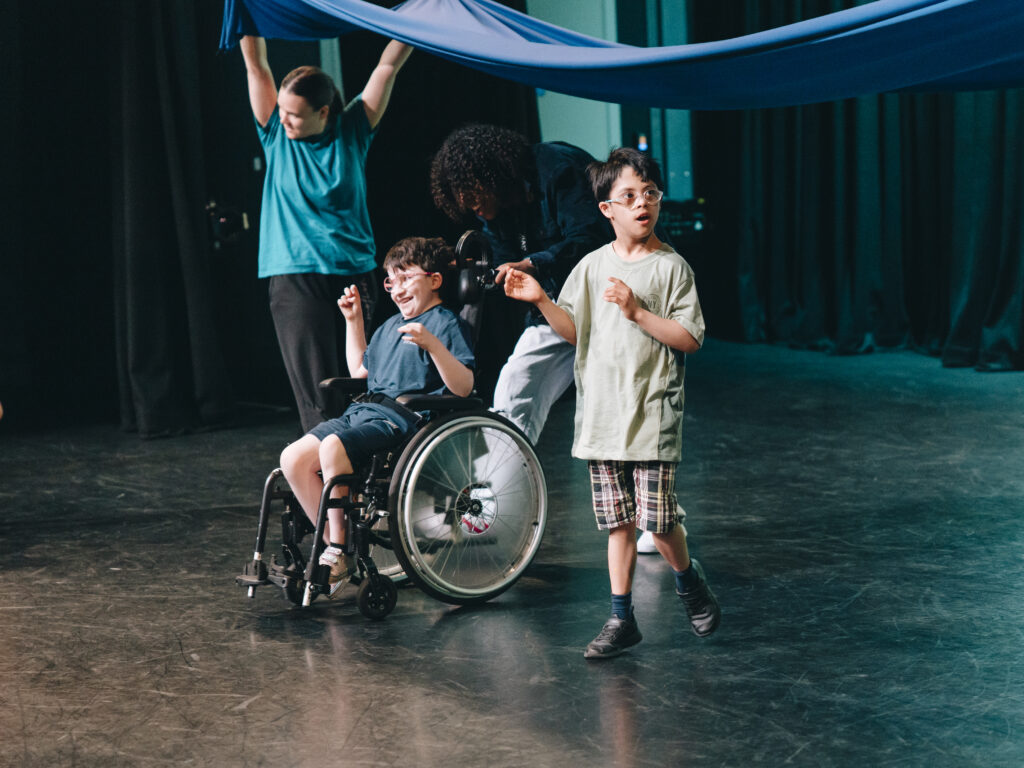
The success also heavily relies on the support staff who do amazing work supporting their students every day. Creating a space where adults and students have time to relate to each other in a different way through dance is really powerful. It builds staff and student confidence in working creatively together, and an opportunity to all learn from each other through dancing together.