







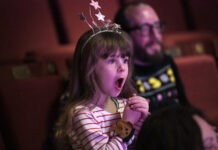



Dance is a vital, exhilarating and liberating activity, writes Laura Bowles, and it supports the holistic development of young people with SEND.
Dance has the power to excite, inspire and challenge us, and it’s something that every child should have the opportunity to access. Even very young children understand instinctively that dance can express what we think and how we feel. For children and young people with special educational needs and disabilities, dance offers not only joy and creativity, but also a wide range of therapeutic benefits that can support their learning, wellbeing and sense of belonging.

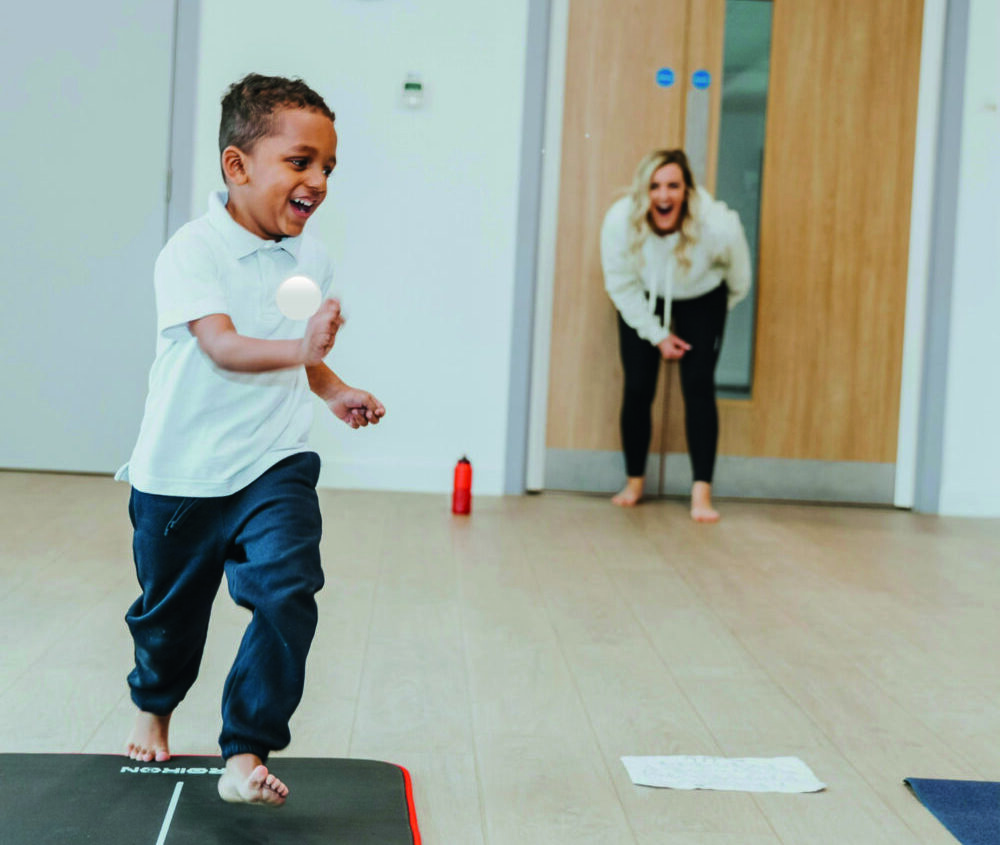
Participating in dance provides all the physical benefits of exercise (coordination, balance, strength, flexibility and stamina) while at the same time engaging the expressive and imaginative qualities of an art form. Dance supports motor development, improves posture, and encourages body awareness. It also strengthens memory and sequencing skills through learning patterns and routines, while boosting concentration and listening skills in ways that are playful and motivating.
Dance is a powerful outlet for expression. It allows children and young people to explore and communicate feelings that they might not have words for. In my own teaching, I see how dance can lift a person’s mood, provide a safe space to release emotions and restore calm when the day has felt overwhelming. For some, a lively routine to a favourite pop track is exactly what they need to burn energy and find joy. For others, a gentle contemporary sequence or a slow improvisation offers stillness, grounding and reflection. Equally, rhythmic beats can help soothe when in overwhelm. In every case, dance brings us into the present moment and allows the mind body connection to strengthen. Dance is also deeply social. It encourages cooperation and fosters a sense of inclusion. Whether in a mainstream school, a specialist setting, or a community group, dance can unify communities across all ages and abilities.
One of the remarkable things about dance is its flexibility. I often work one-to-one with students who need time away from the classroom. Sometimes they arrive excited, brimming with ideas and other times they arrive overstimulated and frazzled. Dance can meet them exactly where they are, offering space to recharge and reset, before they return to the classroom ready to face the rest of the day. Some children enjoy the familiarity of regular routines while others love spontaneous, unexpected movements we have never tried before.
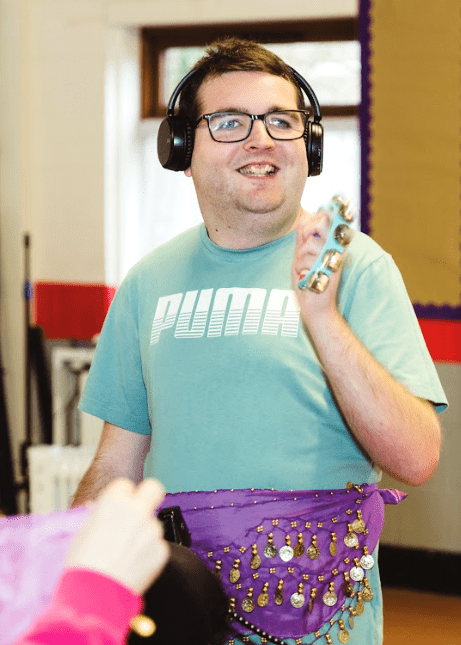
Dance adapts beautifully to different abilities. I work with a group of young people with profound and multiple learning disabilities at a day centre. Many are non-verbal and non-ambulatory, and each works one-to-one with a support staff member. We use creativity to make movement accessible: massaging a hand to explore whether we can hold a scarf today, attaching instruments with Velcro straps, hooking parachute handles over a wheelchair, replacing props with gentler alternatives when sensory sensitivities require it. Each session is about meeting the child or young person where they are, finding what brings delight, and celebrating movement in all its forms.
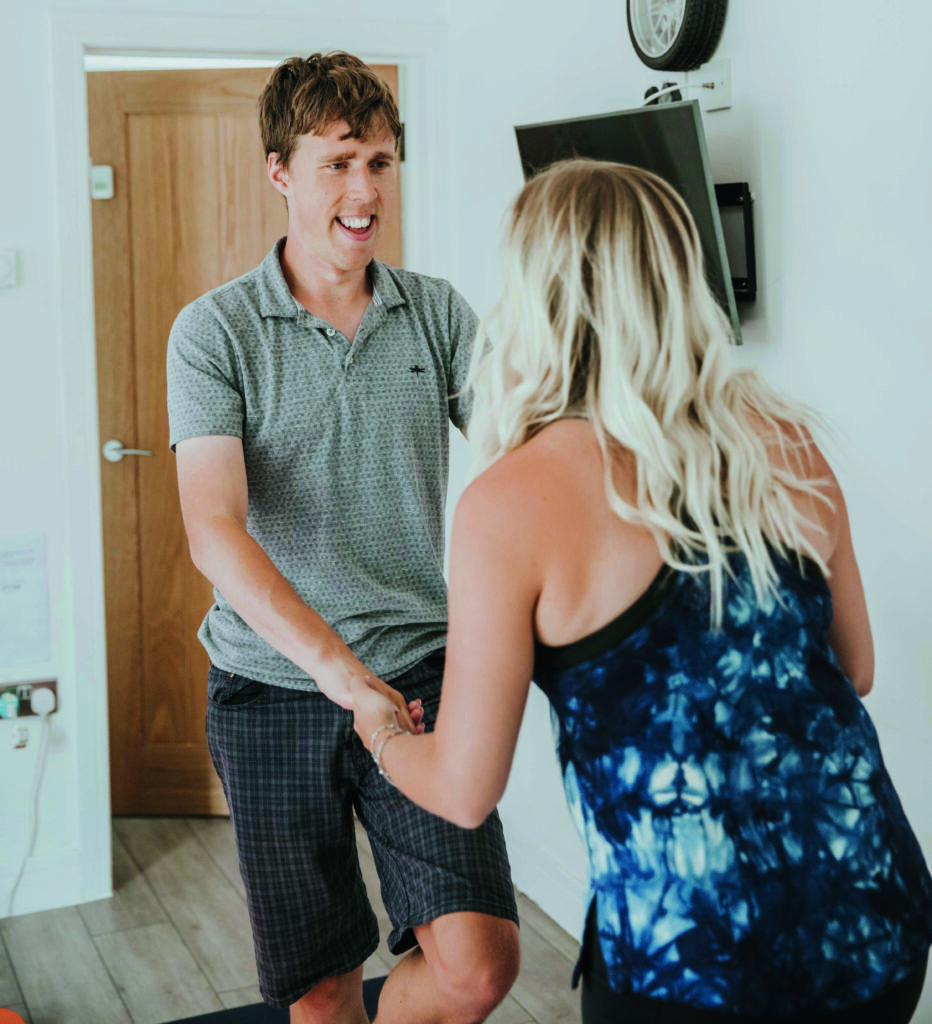
For children with SEND, sensory experience is often central. Dance combines rhythm, movement, and sound, providing rich opportunities for sensory integration. Sometimes this might be the deep vibration of a bass line for a sensory seeking child, at other times it might be the light tickle of fabric or the gentle sound of a feather sliding through fingers. Exploring different music styles is just as important, from country to classical, rap to movie soundtracks. Every person has different tastes, and giving people the chance to explore this builds both self awareness and decision making.At its heart, dance is about creativity and connection. It invites children to experiment, to play, and to find new ways of expressing themselves. Everyone can unlock their creativity, connect with others, and enhance their wellbeing through dance, whether that’s a high-energy group routine, a quiet duet between a child and their support worker, or a simple shared rhythm with a scarf or fan.
A plea to the people in charge of the curriculum
I have lost count of the number of times in school that a child has shone in my class, only to be removed for reading intervention. Of course literacy support is important, but so too is providing space for every child to express themselves through dance and music. We must recognise the value of investing in dance for our children and young people with additional needs, not as an extra, but as an integral part of their educational experience. Dance gets more young people moving, particularly those who may feel daunted by competitive sports. But beyond movement, it offers far reaching benefits: physical development, emotional resilience, sensory exploration, social connection and above all, joy. When we invest in dance for children and young people with additional needs, we invest in their right to express themselves, to be seen, and to thrive.