













Douglas Akena describes an African approach to inclusive vocational preparation.
In many education systems, the years leading up to age sixteen determine how well young people move into adulthood and work. In the UK, structured post-16 pathways such as supported internships and vocational programs enable students with SEND to gain work-related skills. But a large employment gap remains, and many young people need better routes into long-term employment.
In much of Africa, such structured transition pathways are limited, or absent altogether. For every hundred learners who might be expected to require support, less than two progress to the final stage of secondary education. These figures reflect a deep access and transition gap. The challenge is not only about inclusion in classrooms but about preparing learners for sustainable futures. The most effective solution is to build practical bridges between academic learning and real-world skills before the end of lower secondary education.
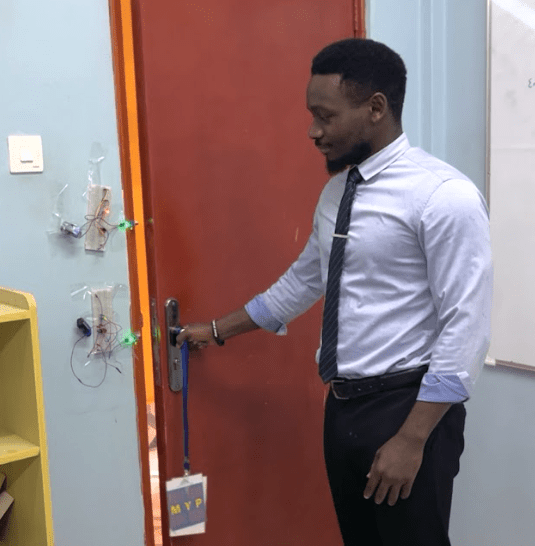
Learning by doing. At our school in Kampala, we are addressing the challenge by integrating vocational experiences into the school timetable. The goal is to widen the measure of success for students who benefit from hands-on learning and to strengthen motivation through practical engagement. The idea began with a small pilot involving five students who received learning support. They attended dedicated sessions in electronics, robotics and coding built into the regular timetable. Each session connected academic theory to a practical outcome. One project involved designing a simple prototype door motion sensor using basic circuit components. Another group built small electric boats from recycled materials and miniature motors. These projects gave students visible proof of their progress. They could see, touch, and test what they had created. The results were immediate. Students who had previously struggled became focused and enthusiastic. One student, aged fourteen, who found written work challenging, excelled at wiring and assembling circuits. Over time, their confidence grew. Teachers noticed stronger participation in other lessons, and they began engaging more during group tasks. This transformation reinforced what our team already knew: students learn best when they learn by doing.
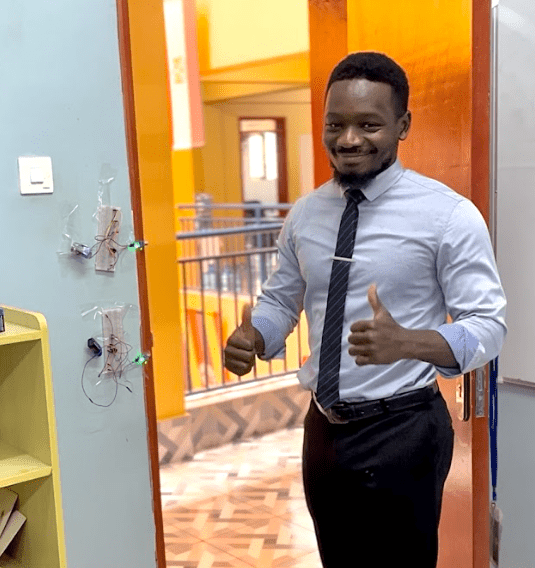
Structured and credible pathways. To ensure quality, the model is built on strong partnerships with Nakawa Vocational Training College and the Eastern and Southern Africa Capacity Building Centre. These institutions provide vocational instructors who teach, aligning training with Uganda’s Directorate of Industrial Training (DIT) standards. This collaboration ensures that the programme is structured, credible, and sustainable. It also creates a cost-effective model by drawing on external expertise while keeping sessions within the school’s timetable. Students progress through three stages: internal certification after supervised practice, intermediate project-based work, and an optional external assessment leading to national recognition by DIT. The model allows students to acquire certified practical skills without leaving their mainstream environment. It combines inclusivity, flexibility and certification, three elements often missing from post-16 transitions in African contexts. It also gives learners a demonstrable set of skills that can be credited toward future vocational or technical courses, helping them enter formal training with confidence and a portfolio of practical work.
The pilot showed the clear benefits of higher motivation, improved focus and stronger peer relationships. Teachers observe that hands-on learning improved problem-solving and collaboration. Parents noticed that their children are more eager to talk about school and proud of what they are producing. We now plan to expand the programme using the school’s existing club-time structure. This will allow any interested student to sign up for skill sessions, while keeping the focus on those receiving learning support. The club model will help us scale gradually without overextending resources, while continuing to prioritise learners who need transition preparation most.
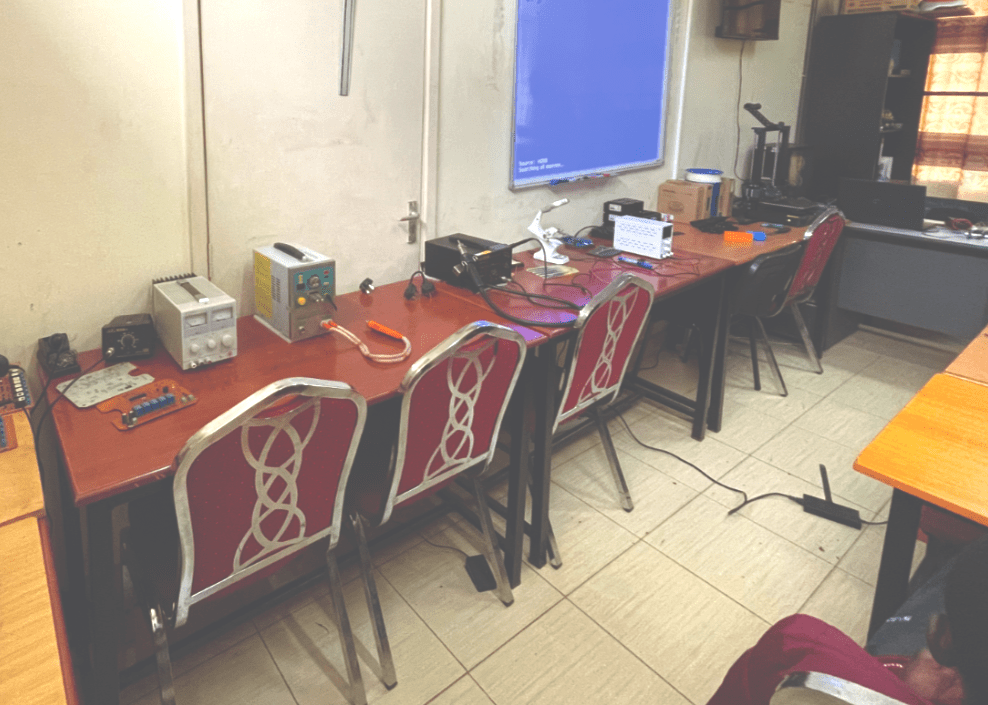
A blueprint for Africa. This approach addresses a critical gap in African education—what happens when formal schooling ends but real-world readiness has not yet begun. By starting earlier and within existing school structures, we can prepare students for meaningful participation in work and community life. The model also aligns with national and regional economic priorities. Skills such as electronics, solar technology, and robotics have growing relevance in East Africa’s developing industries. Integrating these early not only benefits individual learners but also builds a workforce ready for future challenges. We aim to collaborate with other schools and vocational providers to form a wider network of inclusive skill programmes. The vision is that no student reaches sixteen without having explored practical interests, or experienced success through making and creating.
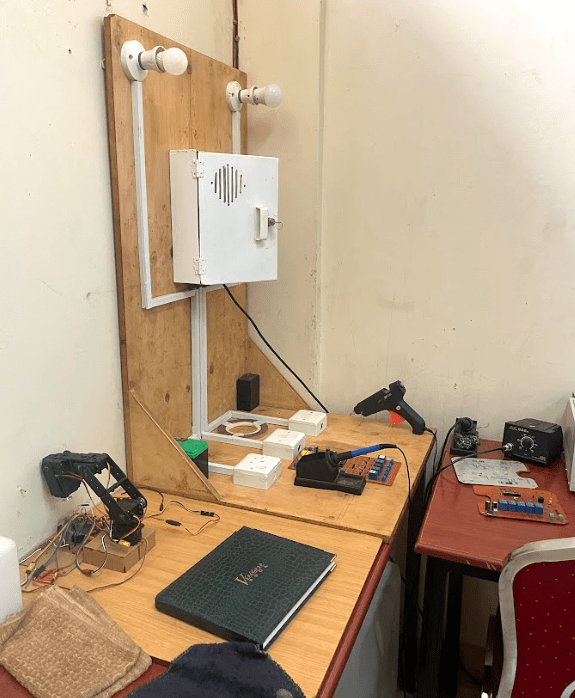
Inclusive education must move beyond physical access to classrooms. It should prepare students for real transitions, giving them agency and demonstrating that learning has a visible, valuable purpose. When students are empowered to design, build, and problem-solve, they develop confidence, curiosity, and hope for the future. The model offers a realistic, scalable way to strengthen inclusion and create new post-16 pathways for learners across Africa. It is also a message to educators everywhere: when we help students to start building pathways before sixteen, they are far more likely to find their direction afterwards.