






















Sarah Osborne on getting to grips with emotional eating.
Emotional eating often goes beyond food itself. It’s about unmet emotional needs, unaddressed mental health struggles and the desire for self-soothing. This can lead to cycles of restrictive and binge eating. Addressing emotional eating is about managing emotional dysregulation, impulsivity and a complex relationship with food.
Here are five tips for supporting an ADHD-friendly diet:
Add more into your diet, don’t take away
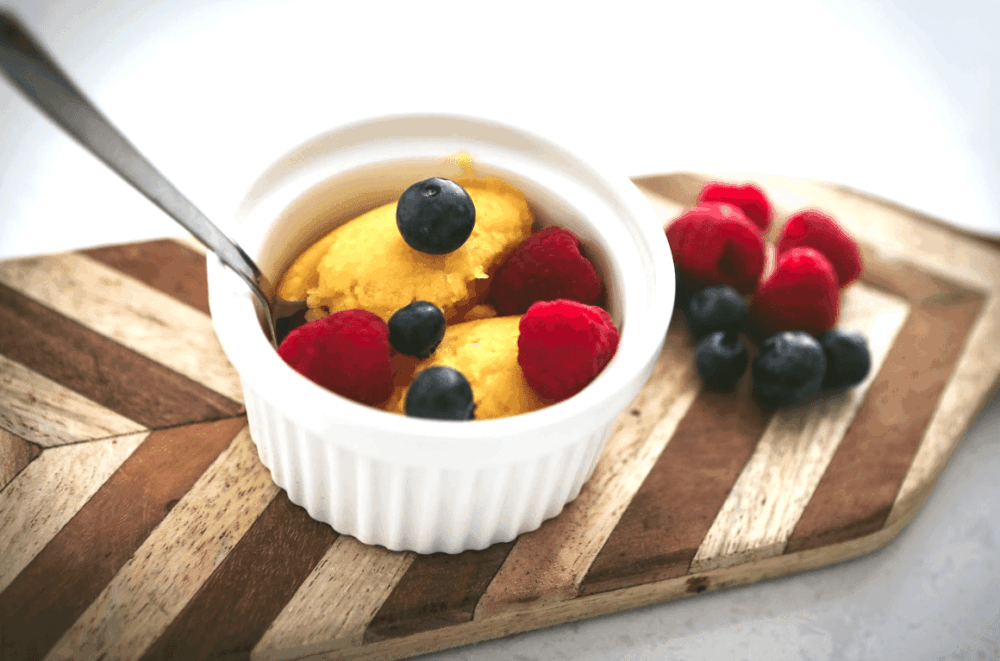
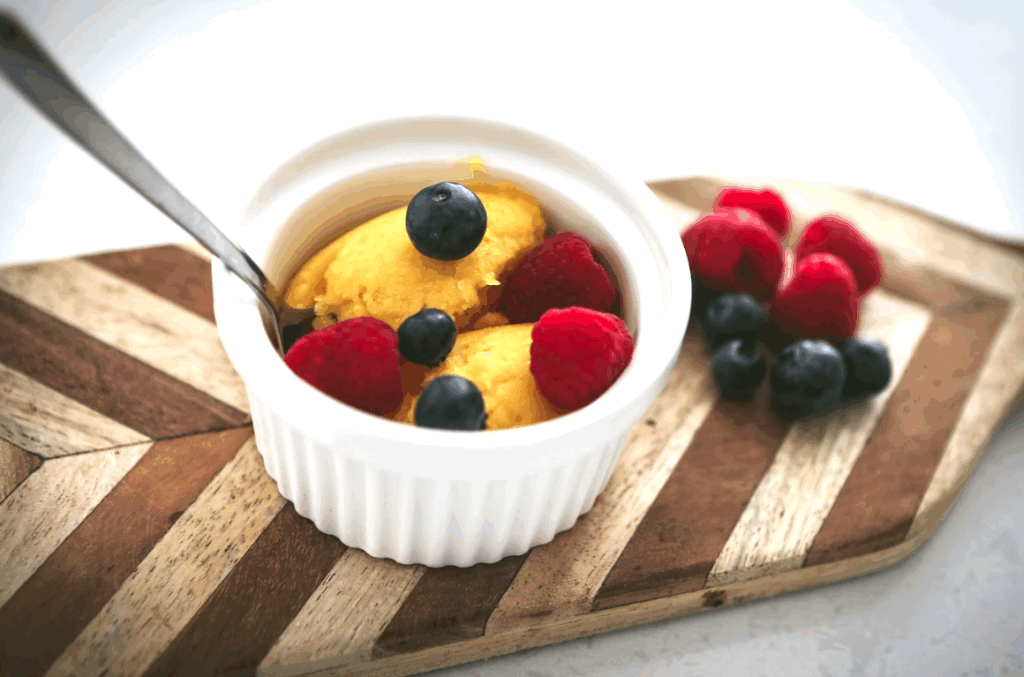
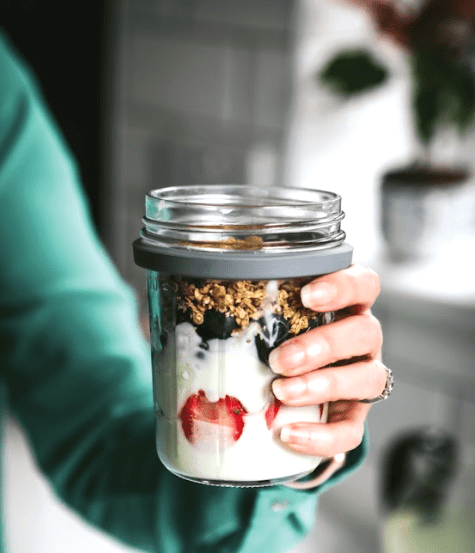
It’s about finding balance, so adding more items into the diet may be the best approach. Keep meals simple and affordable – there are lots of easy wins to help with nutrition goals. For a quick boost of additional vitamins, minerals and antioxidants, add tinned fruit to cereals like shredded wheat, or enhance tangerine slices by pairing them with a healthy fat such as cottage cheese. Mixing frozen blueberries with chilled natural yogurt will also make for a delicious, nutritious treat that tastes just like blueberry ice cream.
Choose nuts and seeds as your quick snack, and ensure they’re easily accessible.
Embrace convenience food
Many people with ADHD find meal planning and cooking challenging, so don’t make life hard for yourself—there are plenty of ways to use convenience foods in a balanced diet. Use microwavable packets of rice and grains to keep things quick and easy, and stock up on pre-cooked meats such as chicken, salmon or turkey. Bags of pre-cut salad can be combined with your filling of choice to create a delicious, toasted pitta in minimal time. Make a delicious tuna dip by blending tinned butter beans with tinned tuna.
Keep hydrated
Most people don’t drink enough water, and if you’re hyper-focused on another task, you’re likely to forget. Set yourself reminders. Being properly hydrated can make a huge difference to how you feel. Keep a jug or a two-litre bottle of water where it’s visible. A visual cue like this is simple and effective. For children, grab their attention with fruit, mint and colourful ice cubes or set up their own dedicated hydration station. Remind them that it will help them feel strong, healthy and focused.
Be kind to yourself
Getting into new habits takes time, so be kind with yourself and others. For adults and children with ADHD, the noise and distractions surrounding food can be overwhelming. This, combined with a tendency towards impulsive behaviours or the need to find sameness and safety, means the relationship with food can quickly become overcomplicated. Don’t be too hard on yourself and celebrate little wins
Make food your friend
ADHD brains tend towards an all-or-nothing approach. If this sounds familiar, making food your friend can help you find that middle ground, allowing you to enjoy what you eat and achieve balance and wellbeing. Start where you are and take small steps closer to where you’d like to be. For children, always have handy the foods they will eat and avoid the temptation to use sweet foods as a reward. Instead encourage them to enjoy the foods you want them to eat more of. Place the food in front of them. Mix things up and make it fun.