














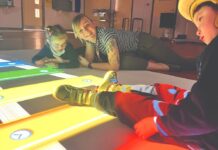
A new study highlights improvements in social functioning, goal attainment and empathy through horse-led interactions. Alison Blackmore reports.
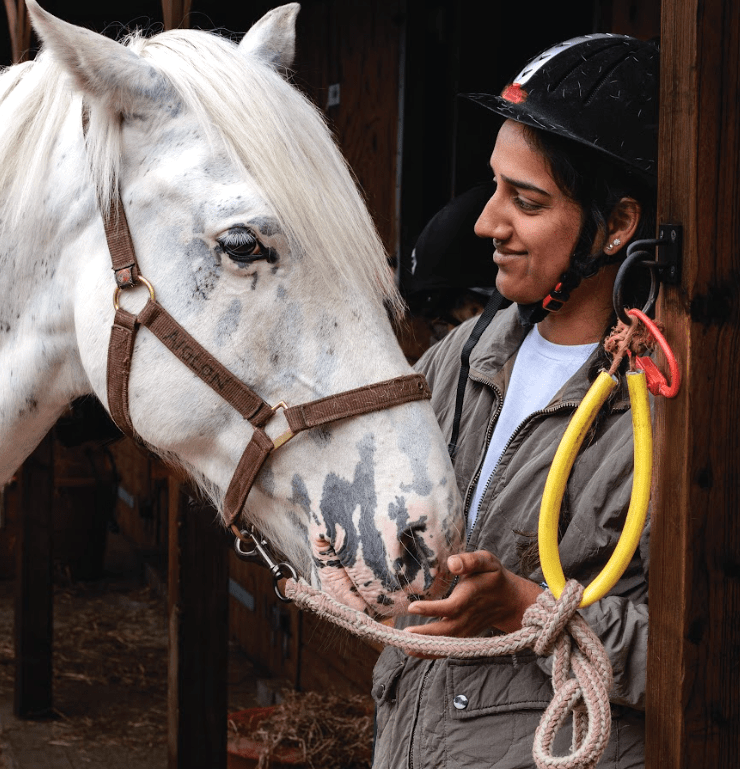
Becky is a mother of two daughters with autism, who struggled with the transition from primary to secondary school, leading to a growing sense of isolation. The school referred them to Changing Lives through Horses programme (CLtH), an initiative of the British Horse Society. Slowly, the girls began to respond. “They struggled with friendships at school, and that happened for a few months at the stables too, but then it stopped”, Becky explained. “They were able to express themselves and be calm around the horses. The girls talk about the horses as friends.”
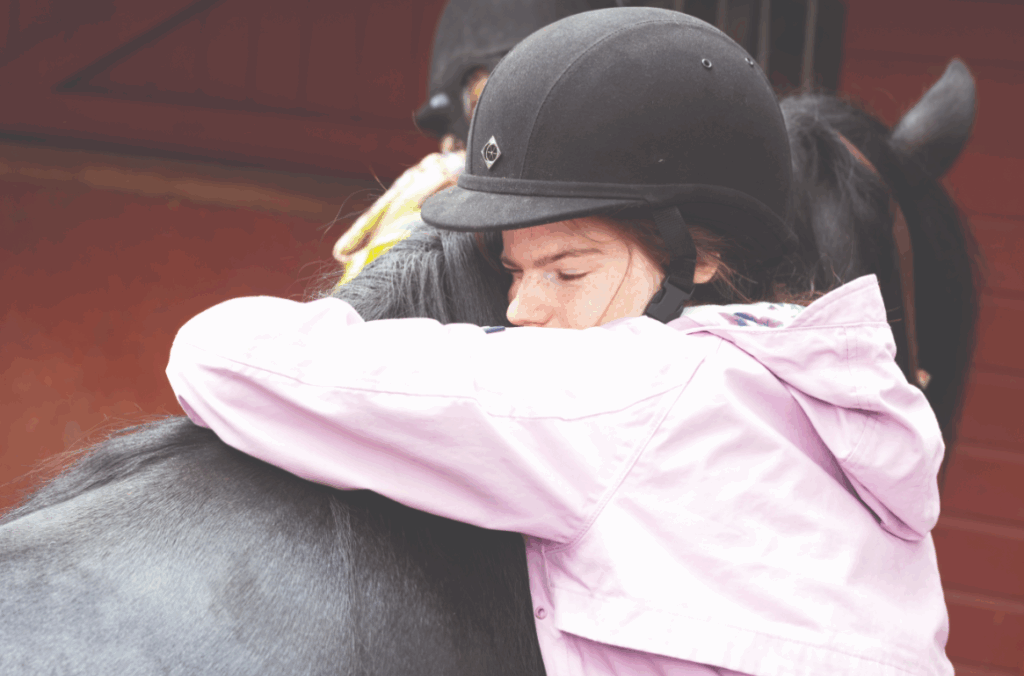
This bond with the horses has helped Becky’s daughters find clarity about their future as well. Through the programme, they have access to nationally recognised qualifications that could improve their employment prospects. Becky remarked, “Before, they didn’t have a clue what they wanted to do when they’re older. Now they do. We adopted them aged three, and they’d had a rough start, so to have something like this to focus on, it’s more than I could have thought possible for them.”
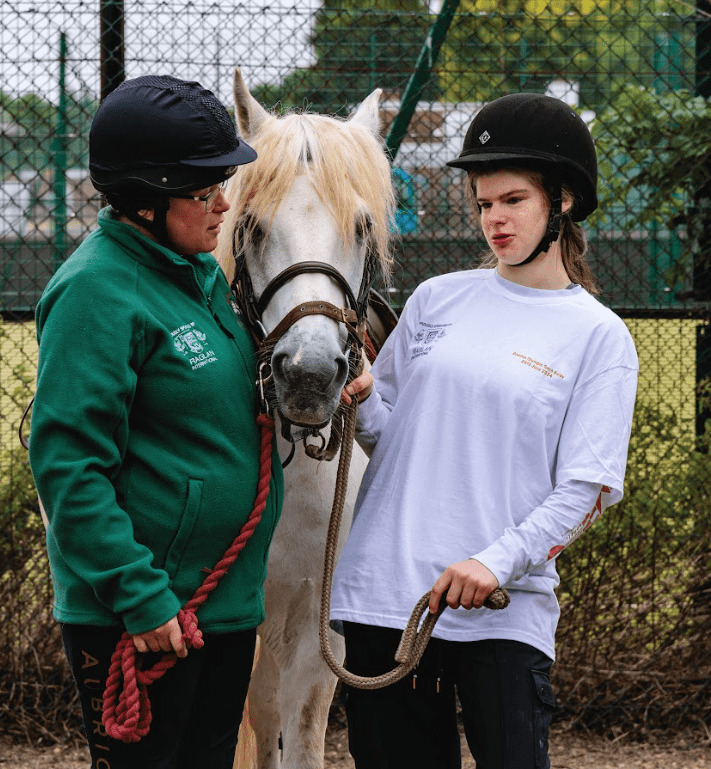
For young people with autism, the benefits of equine-assisted learning go beyond skill development. The calm, structured environment of working with horses allows for emotional growth and social improvement in a way that can often be challenging in traditional school settings. Horses, known for their sensitivity to human emotions, provide a unique avenue for children with autism to express themselves and develop interpersonal relationships in a low-pressure, supportive environment.
A new study by the University of Buckingham, in collaboration with the BHS, has highlighted improvements in social functioning, goal attainment, and empathy through horse-led interactions. Additionally, the study points to a reduction in behaviours including irritability and hyperactivity, offering compelling evidence for the benefits of equestrian-led educational programmes. The study found that CLtH has helped to strengthen transferable skills such as communication, confidence, teamwork, responsibility, perseverance, and relationship building.