




















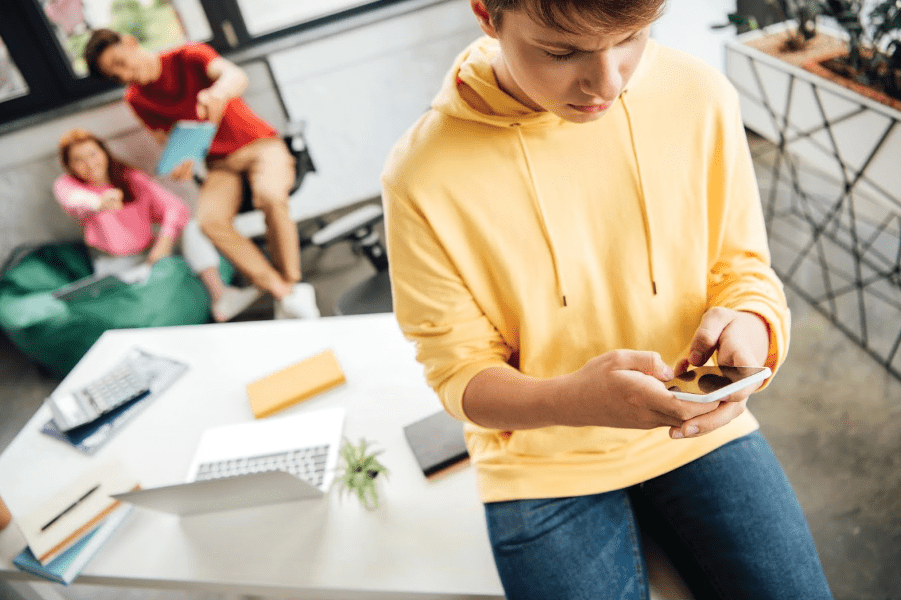
Online bullying often happens on young people’s own mobile phones, laptops or tablets, and it can feel inescapable, writes Becca Cawthorne.
If a child is experiencing online bullying they can often feel scared, worried and overwhelmed by the situation. They might be embarrassed by what’s happening, angry, confused, or even feel physically unwell. For many young people with SEN, online bullying can leave them feeling in a heightened state of emotion, but they could also find it harder to comprehend what they are feeling, or be unsure about how to deal with the emotions they are experiencing. They may also find it difficult communicating these feelings to someone else. A young person who is being bullied online may show obvious signs of worry or upset, or they may hide it altogether.
Some signs to look out for:
- Higher levels of emotion, such as anger
- Changes in mood
- Problems with sleeping and eating
- Low self-esteem
- Self-harm
- Withdrawal from or a change in their online activities
- Sudden changes in behaviour
- Bullying others

Talking about acceptable behaviour both in and out of school
Even though a lot of online bullying may take place outside of the school, it can have a clear impact on them at school, and it is important that the foundations of learning on this topic are built in the classroom. It’s important to ensure learners have an understanding of what is meant by online bullying, what it might look like, its potential impact, how it differs from other forms of bullying, and why it is unacceptable. This can also be an opportunity to talk about the different people young people can talk to if they are being bullied online, or if they are worried about their friend. Young people and their parents should also be made aware of pupils’ responsibilities in their use of technologies both inside and outside of school time, and schools should be clear about how they will respond to issues of cyberbullying of young people with SEN, and this should be evident in their school policies. Educators can and should set clear guidelines on what is and isn’t acceptable online behaviour for students outside of school, and reinforcing this at multiple occasions. This could be by having discussions with learners about how messages can be misread online, how to be a good online friend, or how different situations can make people feel in a gaming environment or on social media.
How to teach about online bullying
Everybody communicates in their own way, and this is especially true for young people with SEN. When sharing online safety messages, it is important that this is done in a way that suits the child or children you are working with. This could be through social stories or comic strip conversations, other online activities, or their own communication tools. Some young people with SEN may need repeated conversations about what kind of behaviour online is appropriate and what is not, so it can be a good idea to regularly revisit these lessons about online safety throughout the year.