


















We need inclusive playgrounds, writes Anna Kucyj
Inclusive playgrounds are places where children of all abilities can play and obtain a rich range of physical, sensory and social experiences. Inclusive play spaces are created to ensure there is accessibility to and within the playground, that there are opportunities for children to actively engage in play in their own way, and that there are plenty of variation and choices to provide high play value.
What is play value?
‘Play Value’ is used to describe the value an environment, object or piece of equipment brings to children’s experience of play. High play value indicates children can play in many different ways, expand or elaborate on their own ideas and actions.
Play value is divided into three categories; Physical Play, Sensory Play and Social Play. It’s important for all children to be able to experience all three in a playground setting to help in their development and enjoyment of the play space.

How do physical play experiences help children’s development?
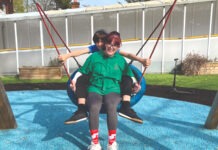
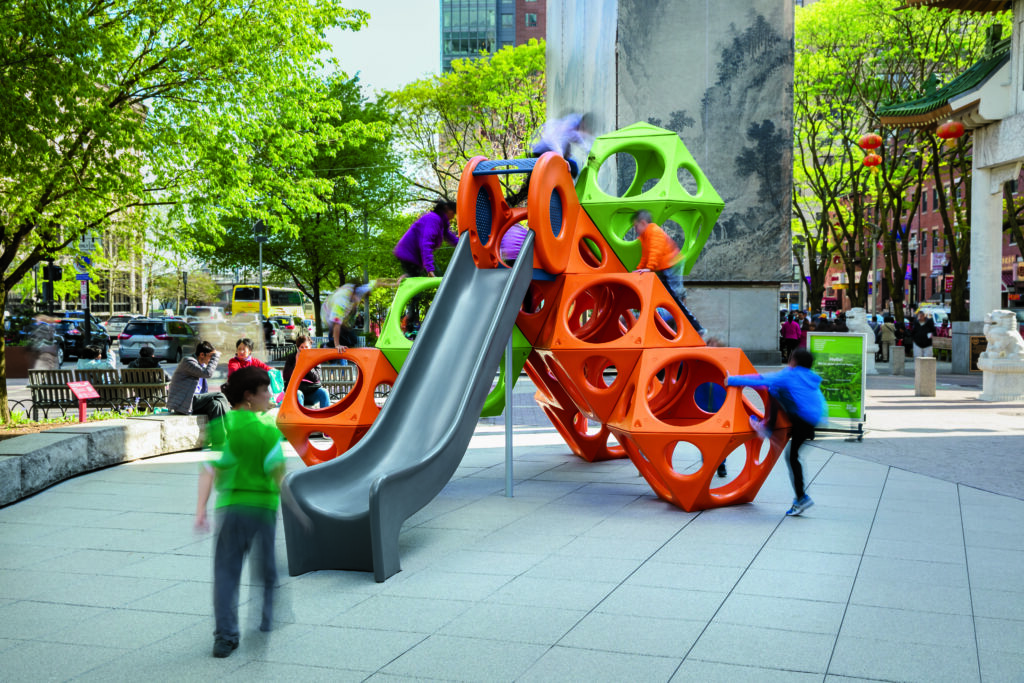
Play activities such as spinning, sliding, rocking, swinging and climbing are all physical experiences. Spinning activities develop the brain in such a way that pre-reading concepts are advanced while improving balance, muscle control and gross motor skills. Sliding stimulates children’s sense of balance while allowing them to experience height and the thrill of speed and risk. Swinging and rocking prompts imaginative play and develops children’s vestibular system.
It’s also important for children to be able to experience movement from their wheelchair, or other aid, together with their friends, such as a wheelchair accessible roundabout, to help stimulate their vestibular system and social experience without leaving their chair.
Climbing, crawling and jumping activities stimulates and develops children’s proprioceptive system, this consists of sensory information caused by contraction and stretching of muscles and by bending, straightening, pulling and compression of the joints between the bones.
What do children gain from sensory play experiences?
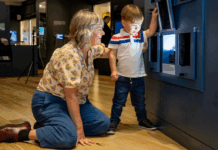
Sensory play experiences include tactile, auditory, visual, interaction with natural features and cosy places. They provide children with an enjoyable experience which not only helps develop their senses, but also, stimulates creativity, imaginative and social play. Furthermore, having a cosy place in a play area means that children have a space where they can go to relax and de-stress if they feel overstimulated.
How do playgrounds ensure children gain social play experiences?
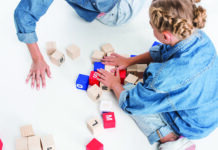
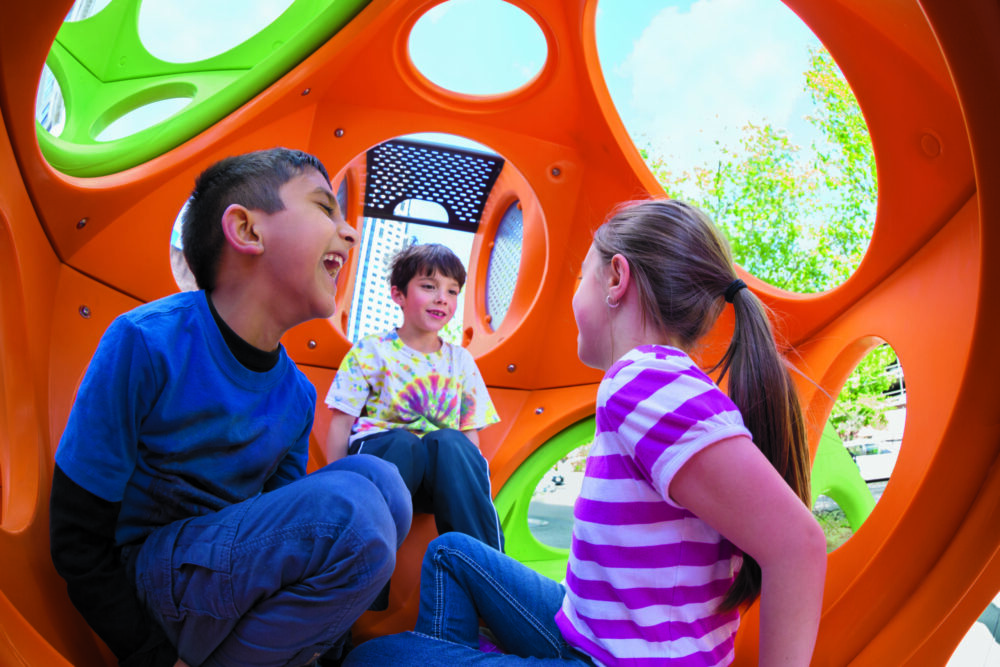
Children need the opportunity to take part in social play and interact with other children. In a playground setting this is encouraged by including equipment such as seesaws, sand and water play, playhouses and themed structures.
These social experiences help children learn from each other and enjoy each other’s company, as well as give them the opportunity to use their language, cognitive and social skills, especially when they’re encouraged to use their imagination and participate in dramatic play.