






















What can we do to ensure that play remains a fundamental part of childhood? asks Alex Ford.
If you think back to your own childhood, you might remember long afternoons spent outside, building forts, acting out imaginary adventures, and creating entire worlds from nothing but a few household objects. But childhood is shrinking. The rise of digital entertainment has drastically altered the way children engage in play, and while technology offers incredible opportunities, it has also replaced many traditional forms of play that are crucial for development.
Being a late developer and self-confessed geek, I used to play with my mini footballers right up until secondary school.
Play can also develop into a discipline, learning the art of collection and appreciating design. My Dad was always told to put his toys back in their boxes after playing with them. This led him to become a collector of model tractors, and their boxes became more valuable than the models themselves. The apple never falls far from the tree, and this has been instilled in me and led me to collect and look after my toys. However, as much as the toys were a collectable hobby for me, I became infatuated with the design, the branding and the packaging. I recently went to the Nuremberg Toy Fair, where the biggest brands in the world showcase their latest innovations. Every year, the city welcomes tens of thousands of toy industry representatives including toy fanatics, buyers and traders. It’s an exciting place, filled with cutting-edge designs and beloved classics. But it’s definitely not a fair for kids, and especially not for parents who struggle to walk through retail stores without hearing I need one of these! The fair is a testament to the evolution of play, where traditional toys meet the latest in interactive and immersive experiences.
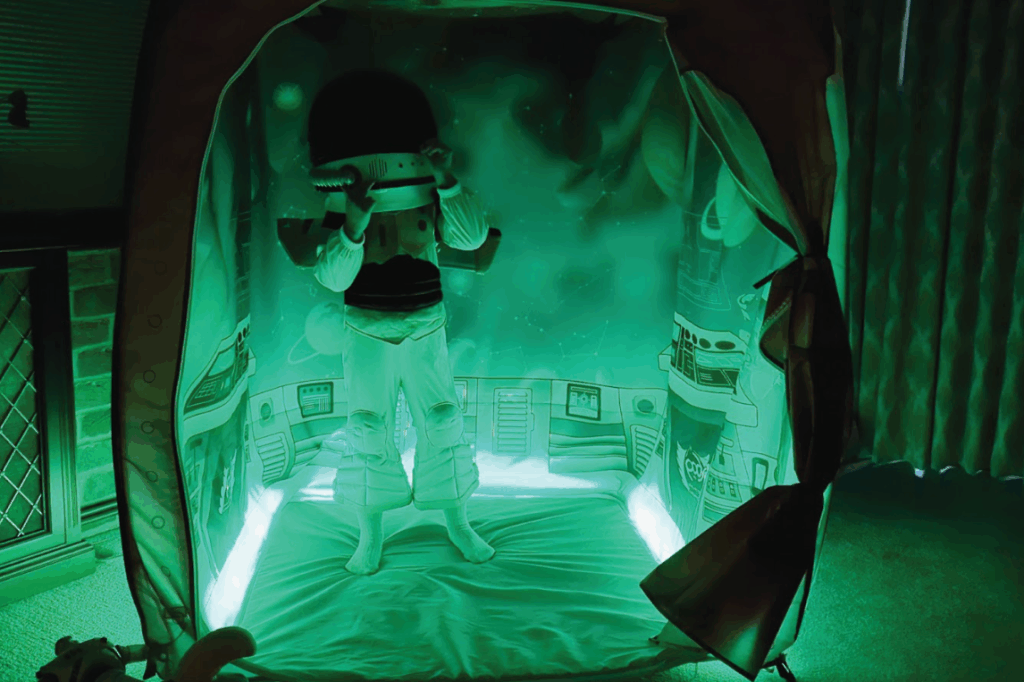
There are however some forms of play that take away the magic of imagination. Virtual reality is often marketed as an innovative tool for play, promising immersive experiences which transport children to fantastical worlds. While VR can be exciting and engaging, it also comes with a significant drawback—it replaces the need for children to create their own imaginary landscapes. Traditional pretend play encourages kids to build worlds from scratch using their creativity, but VR provides fully realised environments that leave little room for personal interpretation. Instead of imagining what a castle might look like or envisioning an adventure, children simply step into a pre-designed world, reducing the necessity for original thought and spontaneous storytelling. This over-reliance on digital stimulation can dampen the creativity that traditional play seeks to nurture.
Today’s world looks quite different from the one we grew up in. Unstructured, imaginative play is becoming less common as screens take centre stage in children’s lives. The instant gratification of digital media and the release of Dopamine can sometimes overshadow the deep cognitive benefits of pretend play, hands-on discovery, and free exploration. The ability to create, to problem-solve, to collaborate is developed through play, and when these experiences are replaced by passive consumption, children miss out on essential skills.
Of course, technology is not the enemy. Digital tools can enhance play, opening up new ways for children to engage, create, and learn. But balance is key. Play should not just be about consumption—it should be about participation, storytelling, and immersion in experiences that ignite the imagination.
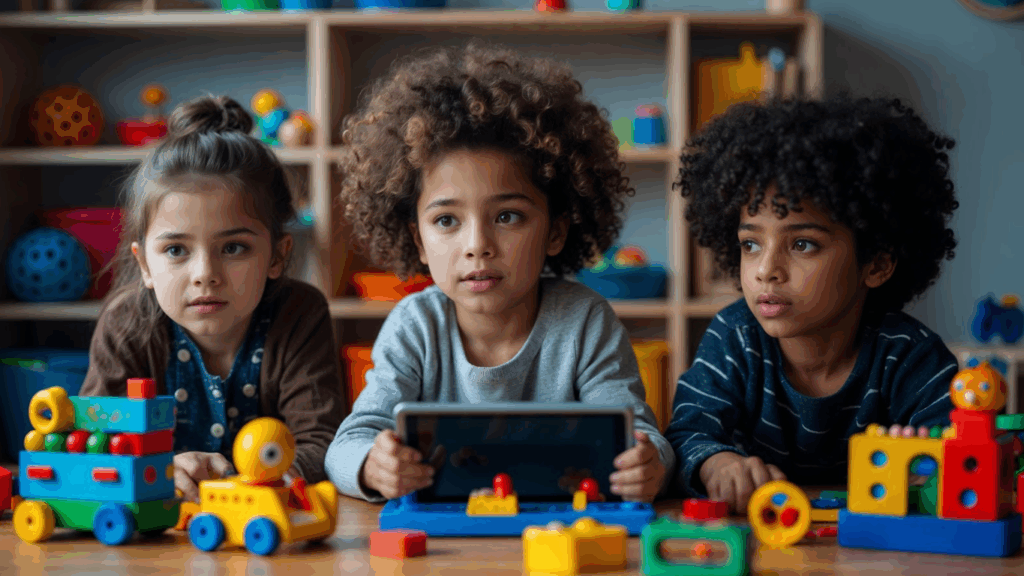
Many of the skills we rely on as adults—creativity, problem-solving, communication—are first developed through childhood play. Pretend play, in particular, allows children to explore different perspectives, develop social-emotional intelligence, and enhance their ability to navigate complex situations. When children engage in role-play, they take on different characters, expand their vocabulary, and learn how to express ideas effectively. These skills become invaluable in the workplace, where innovation and adaptability are crucial.
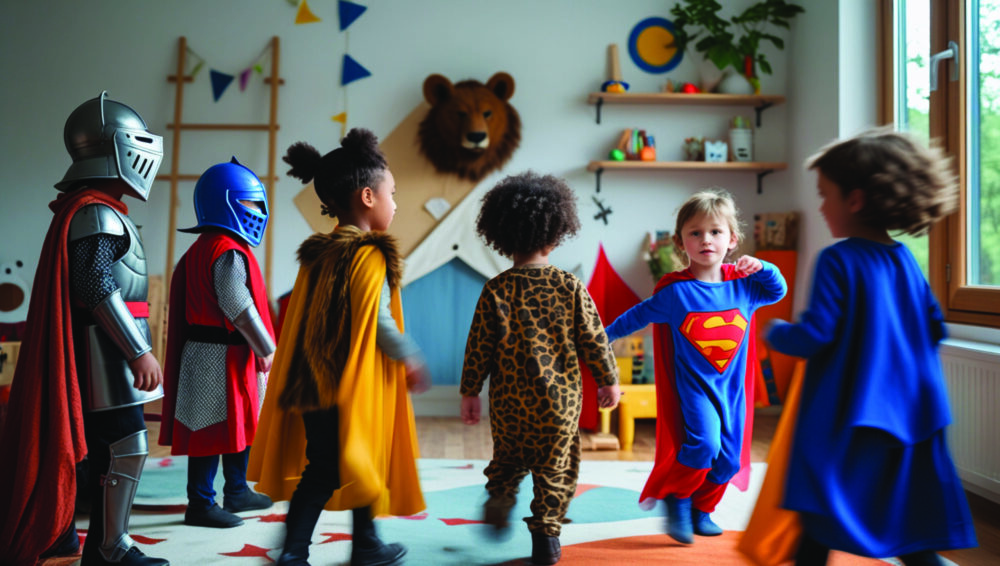
Immersive play spaces, like forts, tents, and playhouses, provide children with environments where they can take ownership of their play narratives. They create their own rules, build stories, and develop a sense of independence. This type of play fosters storytelling skills, boosts confidence, and encourages children to think outside the box—an ability that is just as relevant in a boardroom as it is in a backyard.
One of the most exciting aspects of modern play is the growing emphasis on immersive experiences. Whether it’s through pretend play, storytelling, or interactive toys, children are engaging in deeper levels of play that foster creativity and cognitive development. Immersive play spaces allow for open-ended experiences, where children can construct their own adventures rather than follow a pre-determined narrative.
At the Nuremberg Toy Fair, it was clear that play is evolving at great speed. There’s a strong push towards merging traditional play with innovative elements—combining tactile, real-world interaction with digital enhancements that add layers to the experience. The key is ensuring that technology serves as a tool for creativity rather than a replacement for imagination.
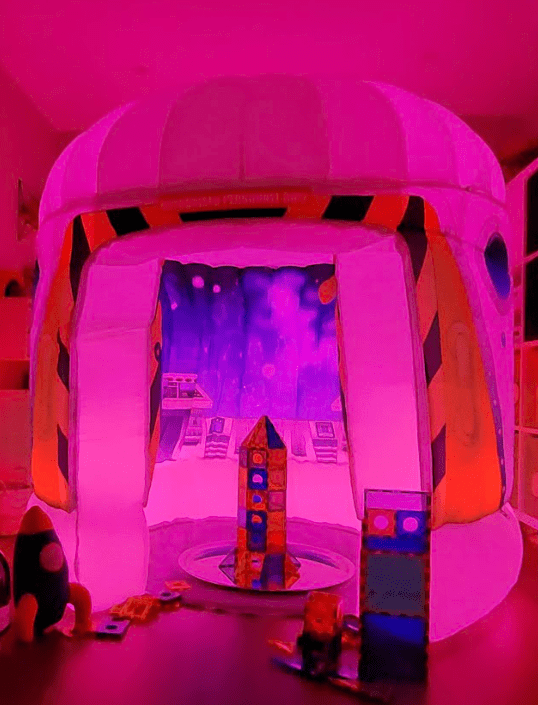
There are also so many ways to play with the ever-growing choice. Just like how we consume our media, wear our clothes or eat our food – we have so many choices at our fingertips and playing is no different. The toy industry is vying to create the next toy that captures the attention and hearts of many children. As parents, we want toys and creative tools to have real play value and create memories that last through childhood, with longevity and also the opportunity to journey with the child through different stages of development. For children with additional needs, the requirements can be more specific. Sensory seekers need and love the stimulation that comes with lighting, soft and tactile materials and as we grow into adult life we lose the magic of play, instead we obsess over the technical specifications of hoovers, remark on how quickly our air fryer cooks our chips and how much data can travel our broadband lines to deliver our online streaming obsession. What did we do before endless content? What occupied our time? Or are we just consuming our media whilst multi-tasking on other day to day tasks? A big factor in play is being present, like being a parent, getting down on hands and knees and getting stuck into the moment, forgetting about the rest and engaging what’s in front of you.
Playing sport gives the feeling of real play and being present in adult life, whether that’s a physical swing of a tennis racket or in an e-sports format, with gaming being one of the biggest industries in the world, enjoyed by all ages and bringing together family and friends all over the world. Gaming isn’t for me, but I can see how addictive it can be. I’ve almost lost friends to computer consoles.
So, what can we do to ensure that play remains a fundamental part of childhood?
Encourage open-ended play
Provide children with toys and spaces that allow them to create their own narratives rather than follow set instructions.
Balance tech and traditional play
Technology can enhance play when used correctly, but it should not replace hands-on, sensory experiences.
Create play-positive environments
Whether at home or in educational settings, children should have access to spaces that foster imagination, role-play, and interaction.
Recognise play as essential
Play is not just a break from learning—it is learning. It shapes the way we think, interact, and grow into the adults we become.
Play is not merely a pastime; it is the foundation of innovation, creativity, and problem-solving. As childhood continues to evolve, it’s essential that we make room for immersive, role-based, and open-ended play experiences. When we protect and encourage play, we’re not just shaping childhood, we’re shaping the future.
Play well.