

















When choosing clothing and footwear, we need to consider comfort, mobility, dexterity and independence, writes Lucy Carr-Seaman.
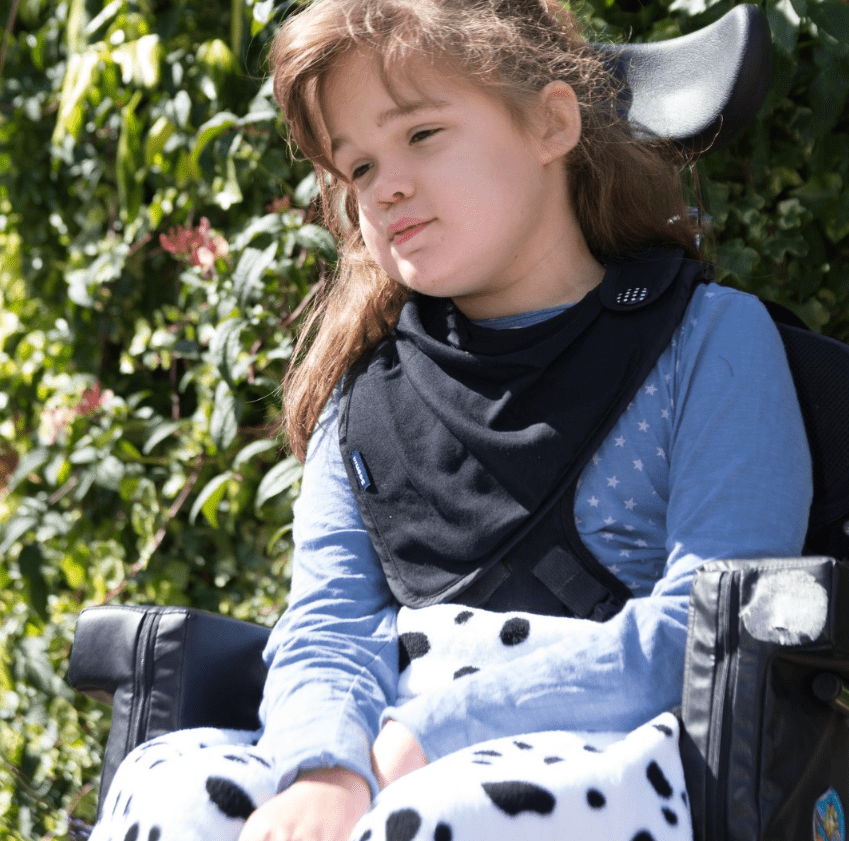
Choosing the right clothing and footwear for children and young adults with additional needs can make all the difference to everyday life. It is more than making simple choices of what colour to wear and what’s the latest fashion trend. Getting dressed can be a battleground. Itchy fabric, annoying labels and seams or frustrating buttons and zips. From my personal experience, finding effective dribble protection for my daughter Hester was one of those challenges. As a child who had excess tone, it was also essential to choose clothing made from stretchy, knitted fabrics that offered more flexibility. I quickly discovered how hard it was to find many of the items I needed to make my life easier and hers more comfortable. Thankfully, there are now practical and stylish solutions available from various brands that make daily life easier.
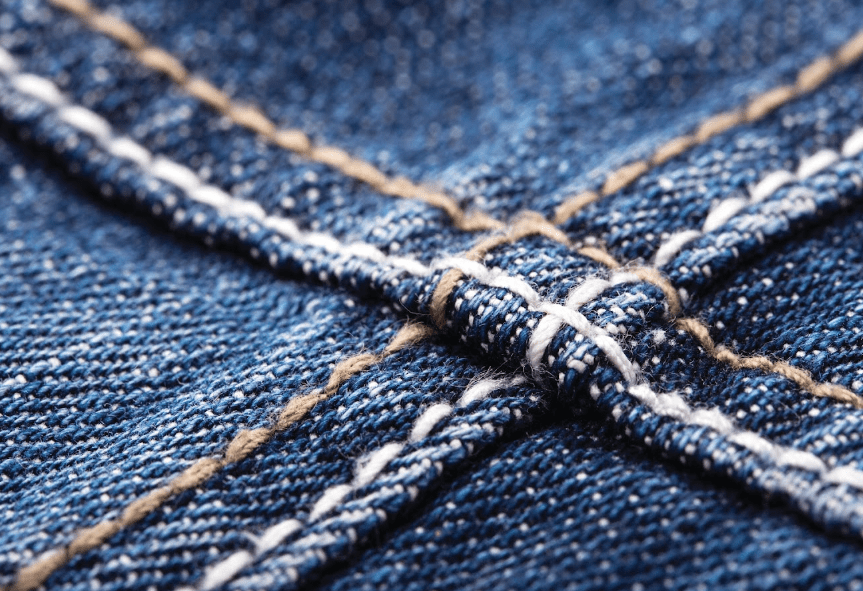
Comfort and sensitivity. Some clothing can be uncomfortable or even painful for people with conditions such as autism spectrum or sensory processing disorder. Soft, non-irritating fabrics such as cotton, jersey or bamboo materials are gentle on the skin, breathable, have a smooth texture and are ideal for those with sensitive skin. Look for specific sensory-friendly clothing, which is designed to reduce irritation by having no tags or labels and flat seams, minimising sensory overload. Consider lightweight shoes made from cushioned materials, with memory foam insoles. Seamless socks provide welcome comfort to those who are irritated by seams, and reduce wrinkling and bunching inside shoes.
Adaptive clothing and footwear is designed with functionality in mind, and enables you to dress easily and quickly, without compromising on style. These items have features such as magnetic closures, adjustable fits and user-friendly fastenings. One-piece jumpsuits and sleepsuits also simplify dressing and can make the bedtime routine less stressful. Footwear solutions include slip-on shoes without laces or fiddly fastenings. Another option would be cushioned shoes with wide fit zip options which are easy to put on and remove, particularly for those who require orthotics or braces. Bespoke adaptive clothing is available, customised to enhance individual functionality and comfort.
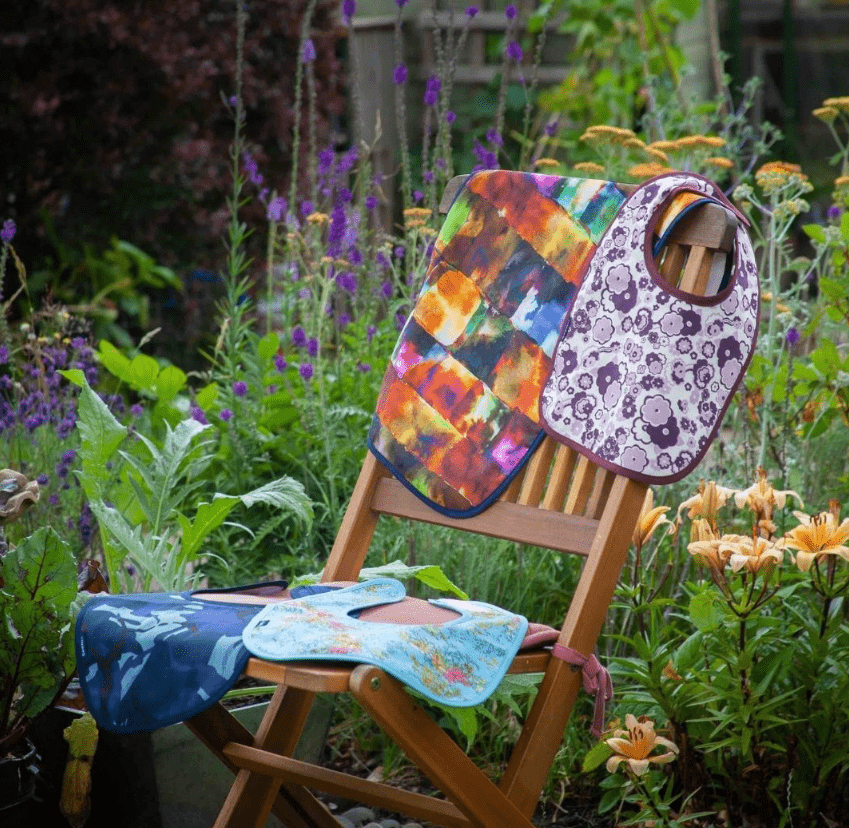
Inclusive accessories such as dribble bibs, aprons and wheelchair covers can be essential for daily comfort and practicality. Just like clothing and footwear, these items should be designed with sensory-friendly materials and cater to additional needs. Soft, hypoallergenic fabrics that minimise irritation while offering the functionality and ease of use. Whether it’s a waterproof bib that absorbs moisture and keeps clothes clean, or a wheelchair cover that provides comfort and warmth, these accessories should enhance comfort while being practical and stylish.