





















Anaïs Lombard describes the hidden impact of the wrong clothes for sensory-sensitive kids.
Before I ever encountered the term Sensory Processing Disorder, I simply saw my daughter struggle every single morning. Soft cotton irritated her skin, socks were rejected on repeat, and full meltdowns often occurred because of a scratchy label I’d overlooked. Even something as seemingly simple as the task of buttoning a shirt or tying laces could leave her in tears, convinced she’d already failed before the day had even begun.
Eventually, we learned she had both SPD and dyspraxia (DCD). But honestly, you don’t need a diagnosis for your life to be upended by clothes. All it takes is a child whose nervous system is doing its own thing and a wardrobe designed without their needs in mind.
We were far from alone. Research confirms that as many as one in six children have sensory processing differences. That’s four or five children in every classroom. Many also face motor delays that make zips, buttons, and tight waistbands a daily frustration.
Children with SPD perceive the world differently. As Carol Stock Kranowitz, author of the brilliant The Out-of-Sync Child, notes, they are like canaries in a coal mine, reacting to environmental triggers the rest of us barely notice—a flickering light that’s just a bit too bright, the screech of a chair, a scratchy jumper. These seemingly small factors can quickly add up to a child who struggles to focus. Not from lack of interest or ability, but because their nervous system is overloaded. Remove the sensory overload, and many more children would show remarkable progress.
Changing classroom lighting can be difficult, but designing a more comfortable, sensory-friendly uniform would be an effective and accessible way to support their needs. Though, looking at some school clothes, we might be better off just changing the light bulb.
My daughter isn’t unique. I’ve met countless parents who spend hours scouring specialist websites or cutting out every label by hand, desperately searching for relief. Some have become experts at DIY adaptations, sewing on softer linings, swapping out fastenings or buying five of the exact same item, because when something finally works, you hold on for dear life. These solutions are born of necessity, not choice.
There is a shift happening in retail, but we’ve seen the high street flirt with inclusion before, only to move on when it’s no longer trending. And here’s what’s backwards about this: all children need comfort, softness and wearability. Sensory sensitivities aren’t the problem. Uncomfortable clothes are.
Any child may find what they wear stressful at times, but for many kids with SEND, getting dressed isn’t routine—it’s a sensory, emotional, and physical challenge that can derail the entire day. It’s easy to underestimate the toll that everyday discomfort takes.
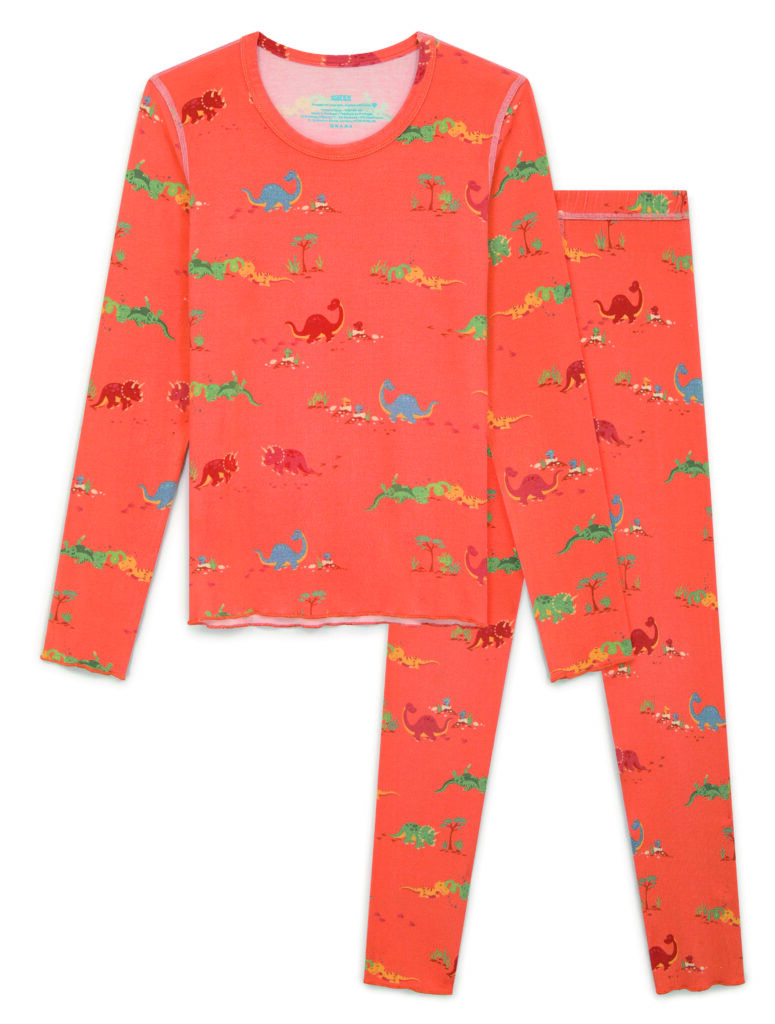
Clothes are our second skin. They’re meant to protect us from the elements and make us feel confident in ourselves. Imagine trying to concentrate with itching powder in your shirt, or sitting still through a meeting while a tag digs relentlessly into your neck.
And if you can’t explain what’s bothering you (or worse, you’re told to just “get on with it”), that distress can spiral into anxiety, shutdowns, or full-blown meltdowns. From where you stand as a child, it doesn’t seem like the clothes are failing. It feels like you are. And that feeling doesn’t just stay in the moment. It seeps into everything: learning, confidence, relationships.
What’s needed isn’t a special solution. It’s a fundamental shift in thinking. We don’t question the need for hypoallergenic skincare or breathable fabrics in sportswear. We expect running shoes to be cushioned and supportive. But when it comes to children’s clothing, comfort becomes an optional extra. As if stretchy, tag-free, easy-on options were medical equipment rather than basic design sense. The fashion industry treats as trendy what should be standard for every child.
The technology exists to make all children’s clothing more comfortable. Flat seams, soft fabric blends, adjustable waistbands, these aren’t expensive innovations. They’re choices about priorities. Sensory-friendly apparel shouldn’t be an afterthought relegated to specialist sections. It should be a basic expectation woven into mainstream design. Because once you’ve lived this reality, you realize how much of parenting a neurodivergent child is about removing unnecessary friction. Creating space for calm. Picking your battles and not letting something as fundamental as clothing be one of them.
No single item of clothing can fix the overwhelm that comes with sensory processing differences and motor skill challenges. But the right garments? They help immeasurably. They soften the day before it starts. They give our children, all our children, a better chance to show up authentically, feel comfortable in their own skin, and focus on what really matters: learning, playing, and simply being kids.
Clothes should fit the child—not the other way around.