













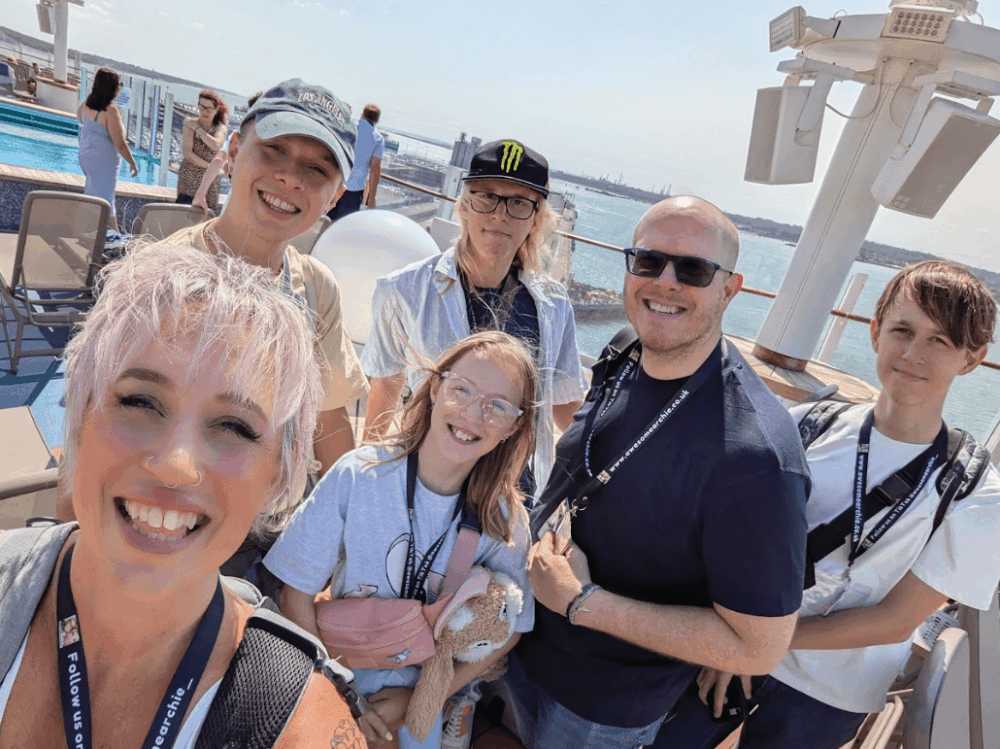
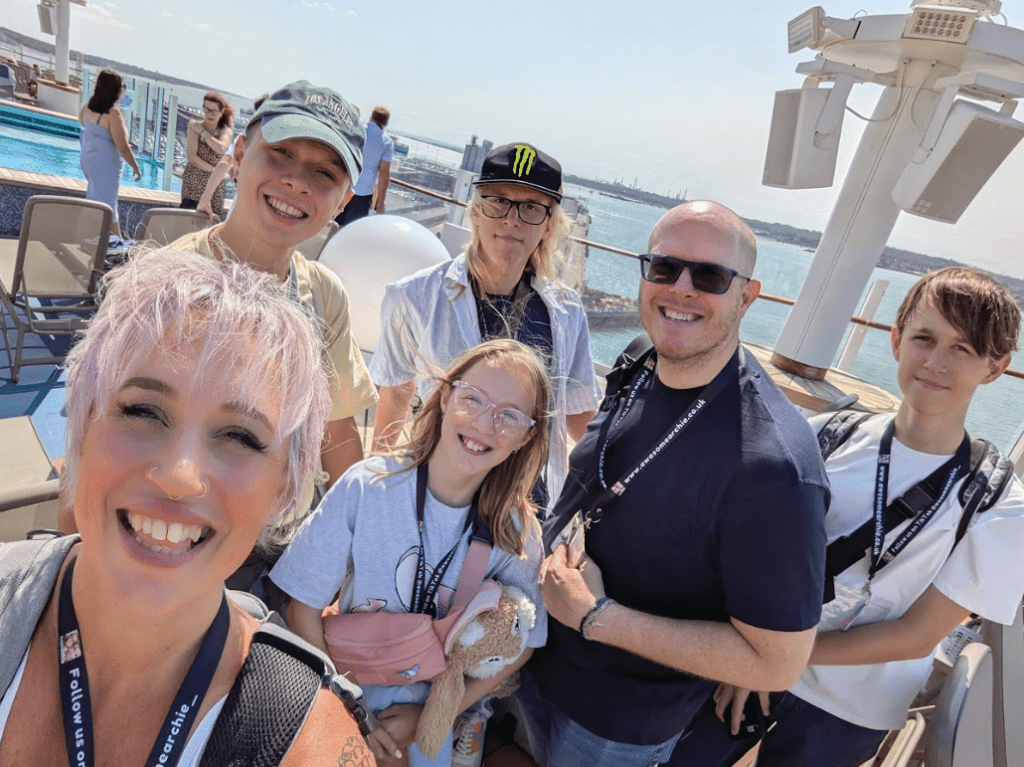
Rebecca Clapcott ponders what made her and two of her sons autistic.
There’s a lot of noise out there about what “causes” autism. Let’s clear this up right away. Autism is not caused by paracetamol, or eating the wrong food, or any other such nonsense. Autism “happens” because two people come together, pass on their genetics, and create a new, wonderfully unique human being. It’s hereditary, woven into the beautiful blueprint of who you are. Even if you didn’t realise that these genes are in your family, they are in there somewhere. Your brain doesn’t suddenly become autistic because of something you did or didn’t do. You are born the way you are meant to be—autistic brains are just wired uniquely. And that uniqueness is natural, valid, and it’s absolutely worth celebrating.
Here’s the thing. Autism is not a disease. It’s not an illness to be afraid of, or something that needs to be cured. It’s a neurotype—simply another way for a brain to experience and interact with the world. Some brains thrive on routine, some see patterns others miss, some dive deep into passions with incredible focus. These differences add such a richness and diversity to humanity. So, instead of worrying about what caused our autism, let’s focus on what makes life better for us—understanding, acceptance and compassion. The real medicine isn’t found in a pill, it’s in creating environments where autistic people can be themselves, feel safe, and be celebrated for who they are. Every autistic person is exactly as they were always meant to be—beautifully and uniquely made.
In our family, autism brings many blessings. Here are just a few:
Honesty and authenticity. Like many autistic people, we often say what we mean and mean what we say. There’s no pretence, no hidden agenda. This honesty is refreshing in a world that can be full of masks.
Passion and focus. When an autistic person finds their special interest, the depth of knowledge, enthusiasm, and dedication is awe-inspiring. That passion can turn into expertise, careers, and innovations that benefit us all. That’s exactly why we do what we do here.
Unique problem-solving. Thinking differently means approaching problems from fresh angles. Some of the most creative solutions and original ideas come from neurodivergent minds like ours.
Deep empathy and fairness. Despite the stereotype, many autistic people feel emotions intensely and care deeply about justice, fairness, and kindness.
Joy in the small things. From noticing tiny details others overlook to finding comfort in routines, our autistic brains have brought a richness to everyday life that many people miss out on. This is why we are neuroaffirming.