















In our classrooms, we have the opportunity to change the world for our deaf pupils, writes Richard Skelton.
When it comes to supporting deaf pupils in our classrooms, even the most experienced among us can feel a bit unsure. But that’s okay—it’s a sign of how much we care about getting it right.
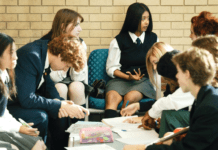
What is school like for a deaf pupil? The buzz of the classroom that we find so energising might be overwhelming or isolating for them. The quick-fire questions and answers that spark such great discussions could be a source of frustration if they’re struggling to keep up. It’s a daily reality for many deaf children, and it’s one we have the power to make a change in. In recent years, we’ve seen a remarkable shift in deaf education. Nearly eight out of ten school-aged deaf children are now in mainstream classrooms, learning alongside their hearing peers. It’s a testament to our commitment to inclusive education, driven by policies like the Children and Families Act 2014. But it also presents us with a wonderful opportunity—and a challenge—to ensure that these pupils truly thrive in our school.
Let’s start by clarifying a common misconception… that hearing aids and cochlear implants fully restore hearing. You may have seen the heartwarming videos of children hearing for the first time with their new cochlear implants. It’s tempting to think that these devices, along with hearing aids, solve all hearing-related challenges. The reality, however, is a bit more complex, and understanding this can help us support our deaf pupils even better. Hearing aids and cochlear implants are wonderful tools, but they don’t restore ‘typical’ hearing. Even with the best devices, deaf pupils may struggle in noisy environments or when listening from a distance. By keeping this in mind, we can be more attuned to situations where our deaf pupils might need extra support, even if they have hearing technology. It’s about creating an environment where every child can access learning, regardless of their hearing status.
Challenges and opportunities in mainstream settings
Understanding how and where a deaf child may need certain support is important to creating truly inclusive classrooms. Of course, every deaf child is unique, and their profiles won’t be the same, but here are a few key areas to look out for. Firstly, let’s consider language development. Even a mild hearing loss can have a significant impact here. A child with mild hearing loss might miss up to half of what’s said in class. Imagine trying to learn a new subject when you’re only catching every other word. Understanding this can help us be more mindful of how we present information and check their understanding. This language challenge often has a knock-on effect on literacy, which is understandable when we consider that we’re often trying to match up letters to sounds in phonics which they may not be able to hear. The knock-on impact for their interest in reading and academic confidence more generally can be huge. Deaf children in England also often achieve lower GCSE grades compared to their hearing peers. But here’s the crucial part—it’s not because they’re any less capable. It’s because they’ve often had years of reduced access to language and learning. As teachers, we have the power to change this pattern. But our role goes beyond the academic. We’re nurturing whole children, with all their hopes, fears, and social needs. Recent research found that deaf children are twice as likely to experience mental health difficulties compared to their hearing peers. And perhaps the most important factor behind this is the feeling of not being understood and fully included.
Deaf-friendly school environment
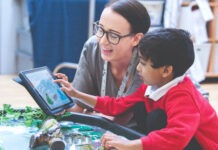
Small changes to our classrooms and school spaces can make a world of difference. Let’s start with acoustics. Many of us work in buildings that weren’t designed with deaf pupils in mind. Hard surfaces, high ceilings, and open-plan areas can create a sea of background noise that’s challenging for everyone, but particularly for deaf learners who are already expending extra effort to try and understand what we’re communicating. Simple solutions like adding soft furnishings, using rubber caps on chair legs, or installing sound-absorbing panels can significantly improve the listening environment, as well as the use of speaker technology to consistently amplify your voice across the classroom (without needing to raise it). Visual supports are another powerful tool in our arsenal. Clear signage, visual timetables, and written instructions can help deaf pupils navigate the school day with greater confidence. In the classroom, consider using mind maps, diagrams, or even quick sketches to reinforce key concepts. While we may have deaf pupils in mind, the research shows us the impact of these on retention and recall for the whole class too.
Effective teaching strategies
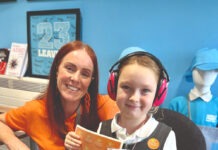
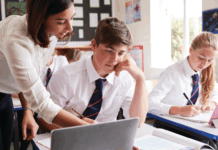
With a few adjustments to our practice, we can ensure our deaf pupils are fully engaged and learning alongside their peers. First and foremost, remember the importance of face-to-face communication. Position yourself where your deaf pupils can easily see your face, and try to avoid covering your mouth or turning away while speaking. If you’re using a whiteboard or screen, give pupils time to look at the visual information before you start explaining it. When it comes to classroom discussions, consider implementing a ‘one speaker at a time’ rule. This not only helps deaf pupils follow the conversation but also encourages better listening skills for everyone. You might use a visual cue, like a talking stick, to indicate who has the floor. Group work can be particularly challenging for deaf pupils, but it’s also a valuable opportunity for social interaction and collaborative learning. Consider using smaller groups, assigning roles that play to each pupil’s strengths, and ensuring the deaf pupil is positioned where they can see all group members. Many deaf pupils use radio aids, which can be a game-changer in the classroom. Familiarise yourself with how these work and ensure you’re using them correctly. Some schools are also finding great success with soundfield systems, which can benefit all pupils, not just those with hearing loss.
Empowering deaf pupils
For deaf pupils, developing self-advocacy skills and a positive sense of identity is crucial for success both in and out of the classroom. Perhaps most importantly, we need to foster a school-wide culture of deaf awareness. This goes beyond just the teachers—it includes all staff, pupils, and even parents. Empowering deaf pupils to advocate what they want and need, which may include simple things like learning basic sign language greetings or understanding how to get a deaf person’s attention respectfully can make a huge difference in creating an inclusive atmosphere. Promoting a positive deaf identity is equally important. Many deaf pupils may feel isolated, especially if they’re the only deaf child in their year. Consider ways to celebrate deaf culture and history in your lessons. This could be as simple as including deaf role models when discussing famous figures in history or literature, or as involved as organising a Deaf Awareness Week for the whole school. Don’t underestimate the power of peer relationships. Deaf pupils often struggle with social inclusion, not because their peers don’t want to include them, but because they’re unsure how to communicate effectively. Organising deaf awareness sessions for the class, teaching basic sign language, or setting up a ‘buddy system’ can go a long way in supporting inclusive friendships.
The ripple effect: benefits for all learners
Given the pressures we’re under in our classrooms, an important part of all of this is that most (if not all) of the strategies that benefit deaf pupils can enhance learning for all our students. It’s not about singling out deaf pupils for special treatment, but about creating a more inclusive, effective learning environment for everyone. Take visual learning, for instance. When we use more visual aids to support our teaching—whether that’s diagrams, mind maps, or even simple gestures—we’re naturally catering towards how most children learn and retain information best. Especially those with attention or speech and language needs, visual strengths, and EAL pupils all stand to hugely benefit from the approaches we take with deaf pupils in mind. Clear communication strategies, like facing the class when speaking and ensuring only one person speaks at a time, improve comprehension for everyone. They also model good communication skills that pupils can apply in their own lives. Even seemingly small changes, like reducing background noise or improving classroom acoustics, can have a big impact. A quieter, calmer classroom environment can help all pupils concentrate better and reduce stress levels. By integrating these strategies in your class or, better yet, working to achieve a sustainable whole school approach, you’re raising the bar for better outcomes and experiences for all. Staff training is crucial. Consider organising regular deaf awareness training for all staff—not just teachers, but also support staff, lunchtime supervisors, and even office staff. Because, of course, a deaf pupil’s school experience extends beyond the classroom. By taking a holistic approach to supporting deaf pupils, we create a school culture where every child can thrive. It’s not always easy, and it certainly doesn’t happen overnight. But with commitment, creativity, and collaboration, we can make our schools truly inclusive spaces where deaf pupils don’t just participate—they excel.
Measuring impact and demonstrating value
We’re always keen to know if our efforts are making a difference. When it comes to supporting deaf pupils, measuring impact is important—not just for our own practice, but to also demonstrate the value of inclusive strategies to the SLT and beyond. We can start by setting clear, measurable (ideally SMART) goals. These might relate to academic progress, social integration, or the pupil’s confidence in advocating for their needs. Work with the pupil, their family, and any specialist staff to agree on these targets. Keep detailed records of the strategies you’ve implemented and any resulting changes you observe. This data can be invaluable when reviewing and refining your approach, but is also powerful evidence to support requests for additional resources or training. Regular assessments are important, but don’t just focus on academic measures. Consider using tools like pupil voice surveys or social skills observations to get a holistic picture of progress. The National Deaf Children’s Society offers some excellent resources for monitoring progress. Supporting deaf pupils effectively in mainstream classrooms is no small task. But it’s also an important and rewarding one. We can create classrooms where deaf pupils thrive and have every opportunity to reach their full potential. This isn’t a solo endeavour. Draw on the expertise of specialist staff in the local authority, collaborate with colleagues, and don’t be afraid to ask for support when you need it. For every step you take, there will be endless colleagues clapping you on, grateful parents, and future deaf adults who will remember and thank you for making the difference they needed.