




















With the right cycle, many disabled people find cycling easier than walking, says Katie Renker.
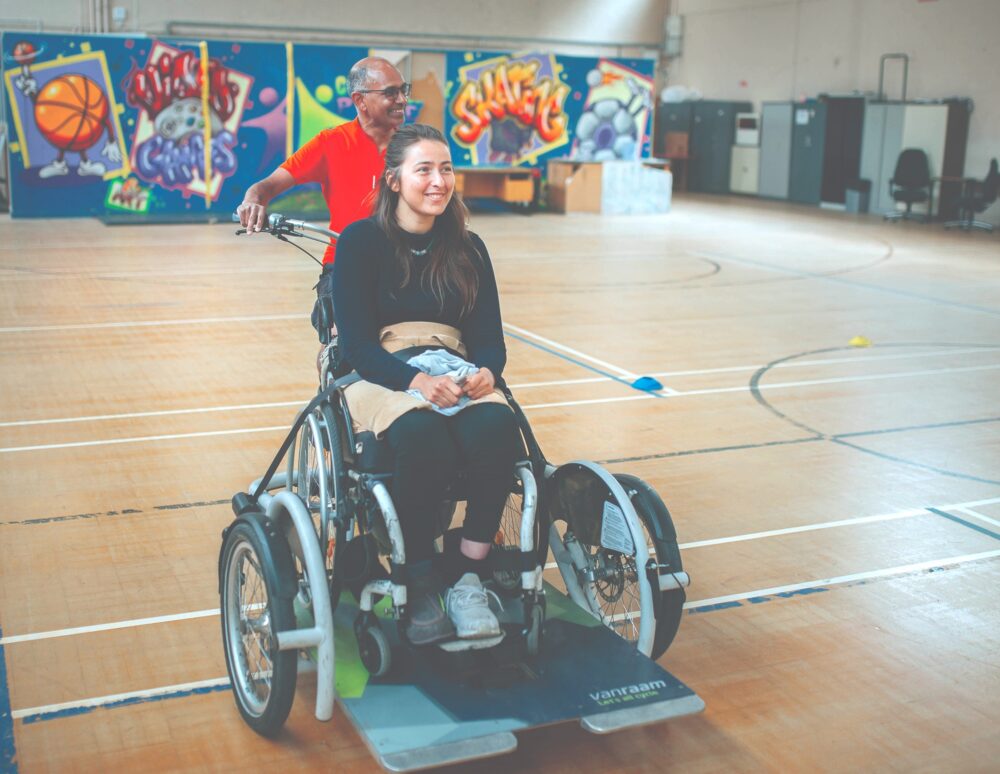
Cycling is uniquely placed to provide just the right amount of growable or removable support to give a feeling of success and make the most of potential—whether that’s adding or reducing electric assistance to adjust difficulty (letting you still enjoy speed or distance) or allowing someone else to take over or share certain elements such as steering or stoking depending on their cycling partner’s capabilities.

One of the greatest gifts you can give a disabled person, of whatever age, is the opportunity to explore cycling in different forms. Disabled people are sadly twice as likely to be inactive as non-disabled people, but not because we don’t want to be. Cycling is such an efficient way of getting around. On other forms of transport, disabled people face barriers which mean they tend to travel less often, their journeys take longer and they experience more stress.
There’s never been a better time to get involved. All over the country, passionate and dedicated inclusive cycling centres offer equipment, expertise and supportive environments to try out cycling in safety and for low cost. Not all cycles are created equal, and while a child may have struggled on one particular cycle, it doesn’t mean there isn’t an alternative cycle, adaptation or method of learning that won’t suit them in the future. It is essential that the opportunity to try different approaches is revisited periodically.
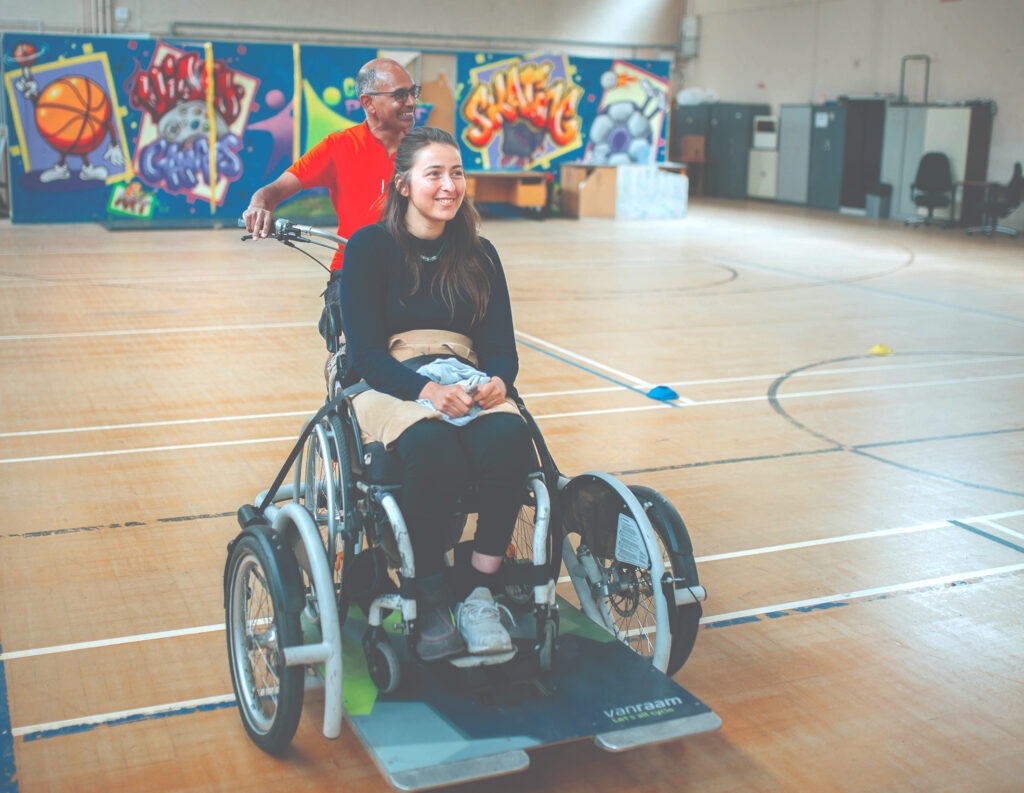
The starting point is to make sure they feel comfortable in the environment and on the cycle—don’t ask too much of them at once, and supports can slowly be removed or alternative options tried as confidence increases. Set them up for success. Cycling should be associated with feeling empowered, rewardingly challenged and should, above all, be enjoyable. Just because an individual could ride a two-wheeled cycle, doesn’t mean it is necessarily the best option depending on each individual, their lifestyle and goals. If you have a school age child, ask your Bikeability provider to make reasonable adjustments so that your child can take part, whether this be by providing an appropriate non-standard cycle, adapting targets or simply by providing more time and space to complete a course. To help improve any existing service, Activity Alliance (see Useful Links) provides some great research on how to engage disabled participants. It’s possible that cycling won’t turn out to be for you, but with so many options available and benefits so numerous, it’s worth giving it a go.