





















Primary teacher Adam Harvey is passionate about outdoor learning for students with special educational needs.
Nature can be calm and sensory-rich. It can support emotional regulation, enhance social skills and promote physical engagement. However, to truly unlock these benefits, it’s essential to make outdoor learning accessible and inclusive for all students, including those with SEN. With careful planning, outdoor learning can be used extremely effectively both in and out of school, providing rich, valuable and enjoyable experiences for both educators and children.
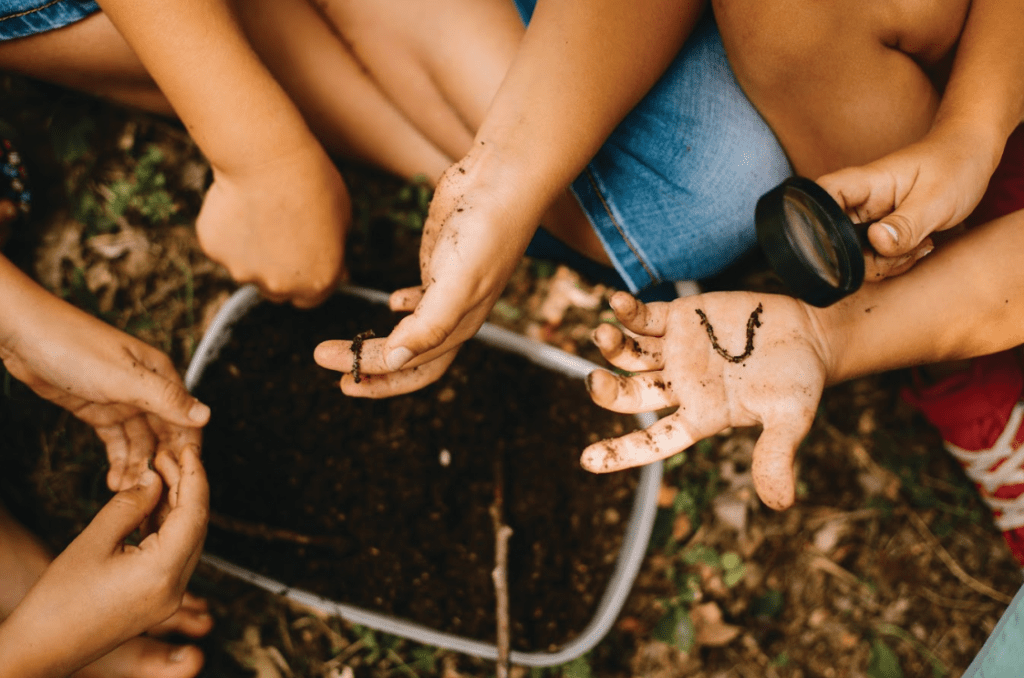
Nature is a vast sensory playground, particularly those with sensory processing challenges. The diverse textures, sounds and sights in a garden or school playground can help children explore and regulate their sensory needs. Unlike the classroom environment, which is quite often overstimulating, the natural world provides a more balanced sensory experience, offering opportunities for calming input.
For children who struggle with sitting still or concentrating for long periods, outdoor learning offers a chance to incorporate movement into the learning process. This is particularly valuable for students with ADHD or other conditions that affect focus. Engaging in physical tasks, like exploring, building or moving through nature, can help improve attention and reduce disruptive behaviours.
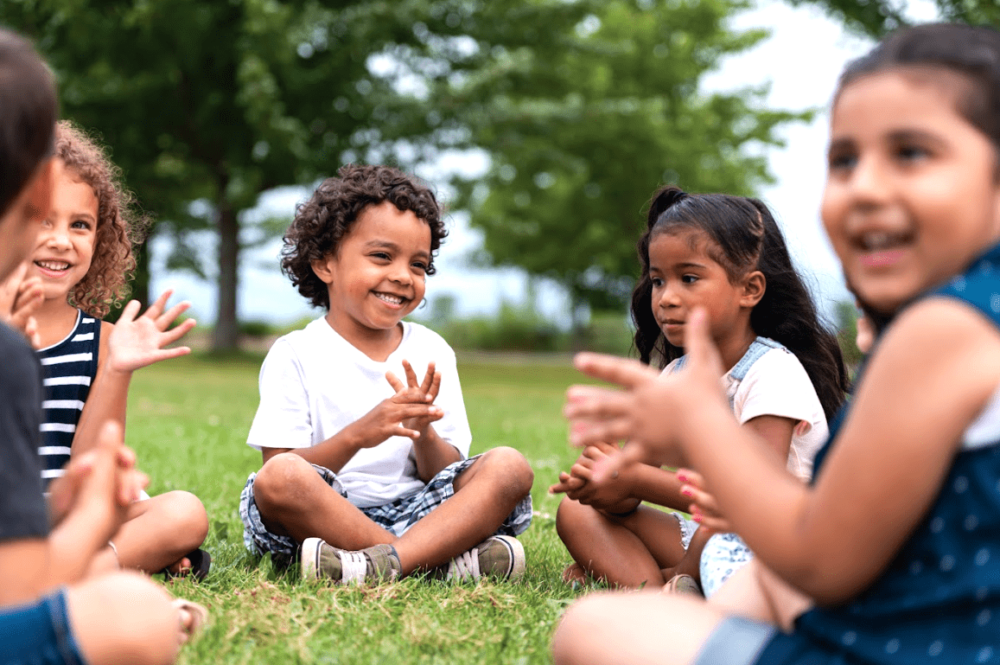
Being in nature can reduce anxiety and improve emotional well-being, which is especially important for students who struggle with emotional regulation. Outdoor activities also encourage teamwork and social interaction, allowing children to practise communication and collaboration in a less pressured environment.
They can help children develop coping strategies for managing stress in a school setting. The natural environment offers a calming space that can reduce anxiety and provide a mental break from the more structured classroom. Regular outdoor time can help children build resilience, equipping them with self-regulation skills that they can carry back into their day-to-day school life.
Access
While outdoor learning has great potential, it also presents some challenges that need to be addressed to ensure full accessibility. Although nature offers calming sensory input, it can also become overwhelming for children with sensory sensitivities. Wind, unpredictable weather and sudden noises can cause discomfort or distress. Ensuring that outdoor spaces have quiet areas or calm-down zones where children can retreat if they feel overwhelmed is key to providing a positive experience.
Outdoor areas can also be challenging for children with physical disabilities if paths are uneven or too steep, or if there are obstacles that limit movement. So assess outdoor spaces in advance to ensure they are accessible for children who use mobility aids. Adaptations, such as creating smoother walkways or offering alternative activities, can make outdoor learning more inclusive.
Some students with special educational needs thrive in structured environments, so the open and less predictable nature of outdoor spaces can be daunting. Clear expectations, visual cues and a structured plan for outdoor lessons can help children navigate this unfamiliar setting with confidence. Much of what you do to accommodate their needs in the classroom can be adapted to be used during outdoor learning sessions.
Create accessible paths for students with mobility challenges, identify quieter zones where children can take sensory breaks, and use visual markers to help students understand boundaries and move through activities with more independence.
Just like in the classroom, students benefit from knowing what to expect, so before heading outdoors, explain the plan for the lesson, and use visual timetables or cue cards to outline each step. Once outside, provide specific, simple instructions and break tasks down into smaller, manageable steps. This structured approach helps students feel secure and in control of their learning environment.
Sensory-friendly tools like noise-cancelling headphones, weighted blankets or fidget toys can be brought outdoors to help students regulate. Teachers can also create “calm kits” that include sensory items which students can use when they feel overwhelmed. Having these tools available in an outdoor setting helps ensure that all children can engage with learning activities comfortably.
Choice—such as allowing children to work independently or in small groups—can help develop independence and control. Giving students the freedom to explore in ways that are meaningful to them encourages engagement and creativity.
Flexibility also allows children to withdraw and re-engage with activities at their own pace, building confidence in a low-pressure setting.
Incorporating outdoor learning into the daily or weekly routine can help students develop self-regulation strategies. For example, a regular “nature break” can become part of a student’s coping toolbox for managing stress. These breaks can involve mindfulness exercises, sensory exploration, or simply walking quietly through nature. Over time, children may begin to recognise nature as a resource they can turn to when they feel anxious or overwhelmed, even in school.
Coping outdoors
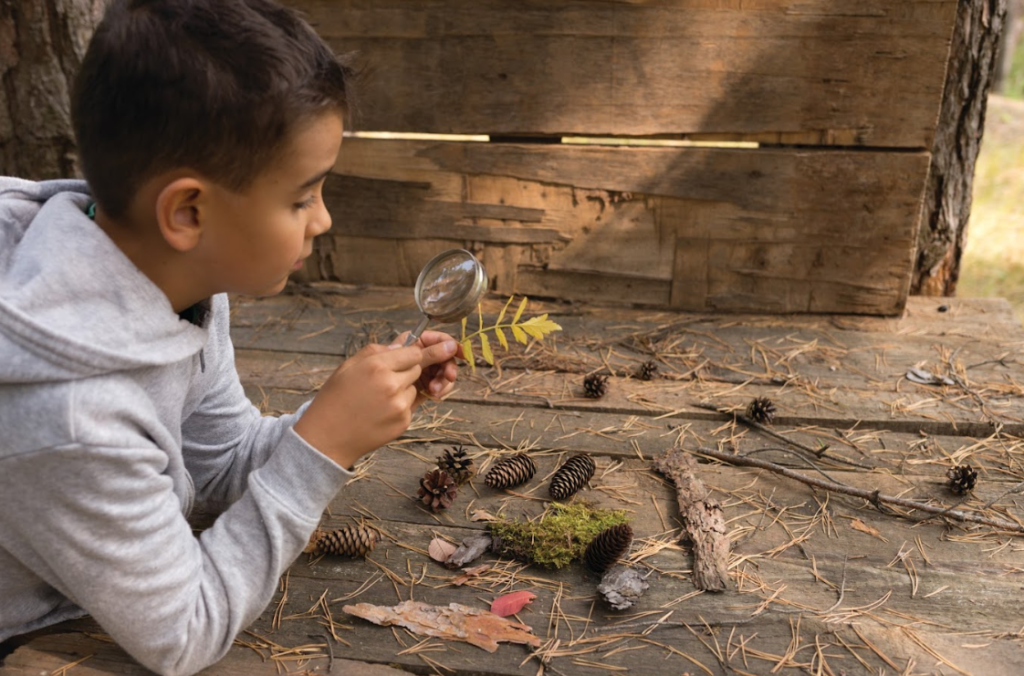
Teaching mindfulness techniques during outdoor lessons can help students focus on the present moment, reducing anxiety and helping them stay grounded. Activities like “five senses” exercises, where children focus on what they see, hear, feel, smell and taste, can help them self-regulate and calm their minds. Outdoor spaces can become designated “safe zones”. If a child is feeling overwhelmed in the classroom, being able to retreat to a sensory-friendly outdoor space can help them reset. Teachers can integrate regular outdoor breaks into the school day to allow students to decompress and return to learning with renewed focus.
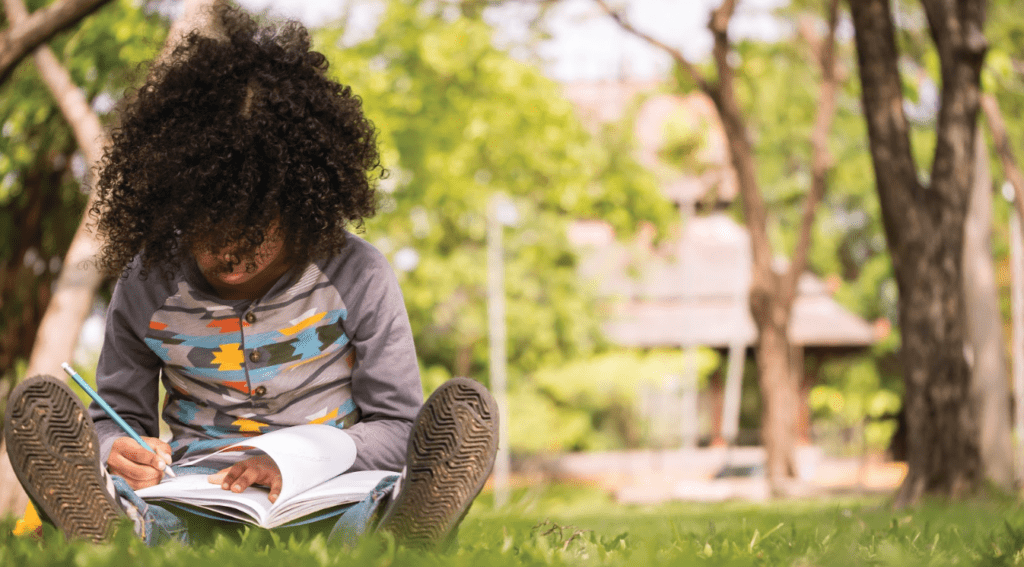
Incorporating reflective activities like journaling or drawing into outdoor learning can help children process their emotions. Encouraging students to draw what they see or write about their feelings after spending time in nature can help them develop a deeper awareness of their emotions and improve their coping skills.
With thoughtful planning, flexibility and a commitment to inclusivity, the outdoors can become a space where every child thrives.