











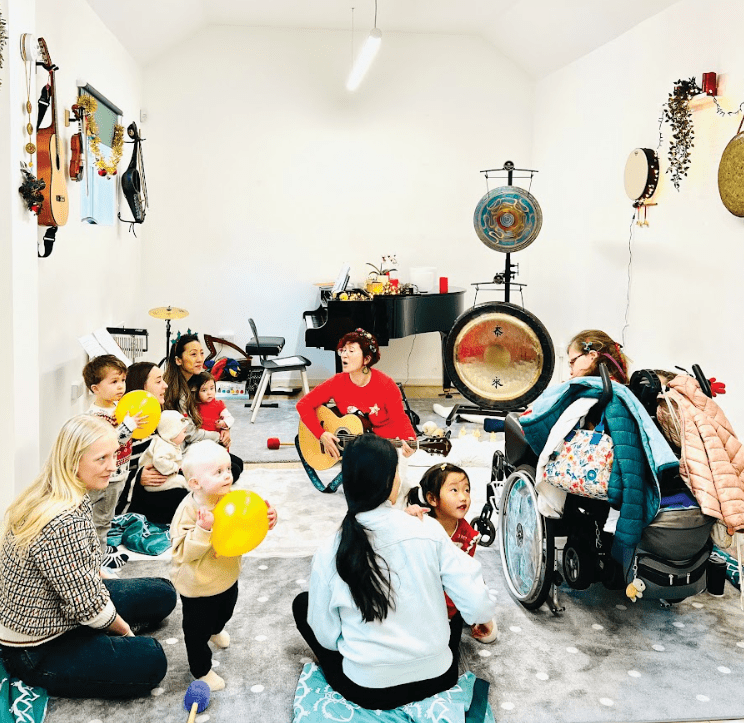
Kamila Almabetova on music therapy for children with special educational needs.
Music is such an inseparable part of our existence that we often take it for granted. From the moment we first perceive our mother’s voice in the womb to the cry that announces our arrival into the world, sound and music profoundly shape our awareness and connection to the world around us. Remarkably, hearing, or the response to auditory stimuli, is also the last sense to fade as we pass from this life. Imagine a world without music—it’s almost impossible. Music is interwoven with life itself.
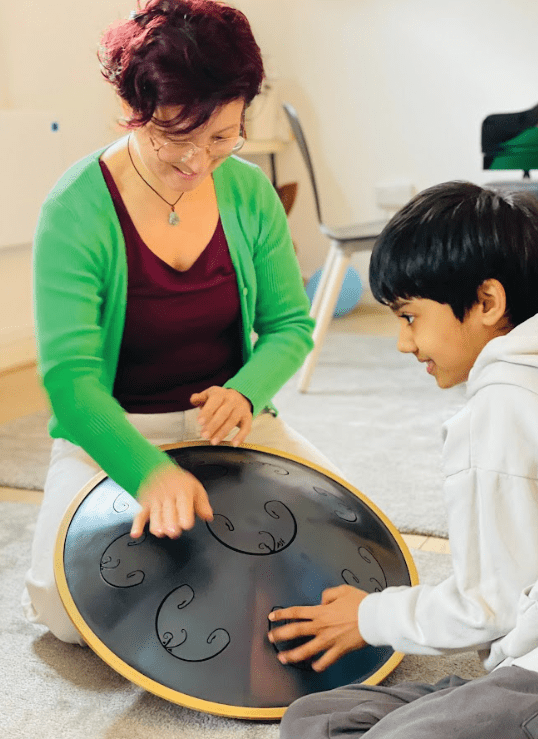
As a music therapist, I have spent years witnessing the profound impact of music on people. I’ve come to hear music in everything—the hum of street noises, the rhythm of car engines, even the rustle of leaves. Just as the sounds of the environment around us form a symphony, each person has their own unique musical landscape. Clive Robbins and Paul Nordoff, pioneers of creative music therapy, introduced the concept of the “music child” in the middle of the 20th century—a belief that each person possesses an innate musicality, where their strengths, challenges, inner world, and unique personality come together to form a distinct musical portrait. This innate musicality, expressed through rhythm, melody, harmony, and pitch, highlights music’s role as a universal language that transcends barriers. It demonstrates that anyone, regardless of their abilities, illness, or challenges, can respond to music. This forms a foundation for music’s role as a therapeutic tool for children with SEN.
Music therapy is provided by highly trained and musically skilled professionals who create a safe, shared space for self-expression and growth. In the UK, music therapists complete rigorous master’s-level training and are registered with the Health and Care Professions Council (HCPC).
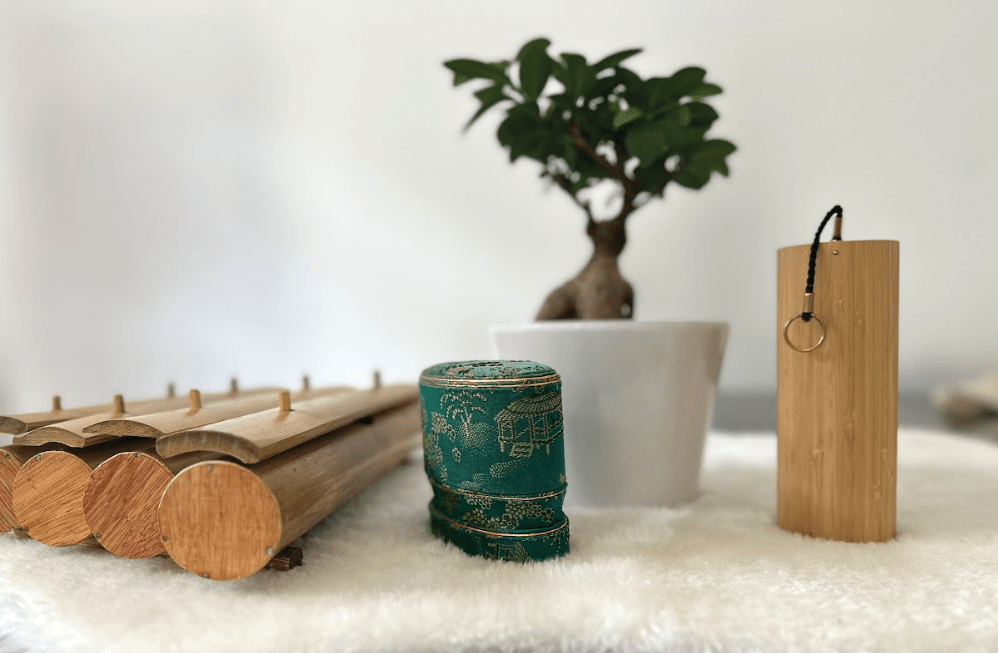
Each music therapy session is tailored to a child’s unique strengths and needs. During these sessions, the therapist crafts music that resonates with the child’s current state, inviting them to engage in instrumental and vocal play, movement and listening. By strategically shaping the child’s musical experiences-such as developing flexibility in rhythmic or melodic patterns, discovering their voice, or expanding dynamic range in instrumental play-the therapist helps facilitate growth and development.
Often, changes in the child’s music-making may naturally lead to changes in their relationships with their environment and the people around them. The outcomes of therapy vary widely. Some children find their voice and begin to vocalise, while others develop expressive language or discover ways to convey emotions through a creative medium. Some enhance movement coordination, body awareness, motor skills, or eye contact, while others build connections, enjoying the creative process, or improve play skills, and listening abilities. Additionally, some children experience emotional release and self-expression through musical improvisation.
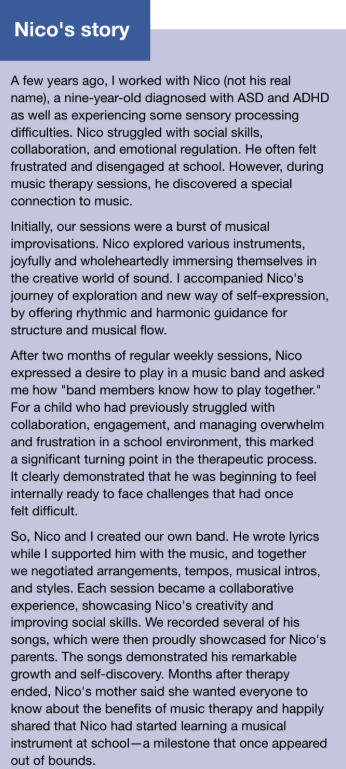
This universal adaptability makes music therapy especially powerful for children with SEN, who may face challenges in communication, emotional regulation, and social interaction. By meeting each child where they are, music therapy provides a unique pathway for growth and connection.
Music therapy is a versatile approach to supporting SEN children, providing them with a safe and nurturing space to express themselves, connect with others, and navigate the world in meaningful ways. If you’re considering music therapy, the British Association for Music Therapy (BAMT) provides a directory of HCPC-registered therapists across the UK. Visit bamt.org to learn more.