














Theatre has long been a powerful medium for storytelling, emotional expression, and community engagement. Helen Eastman is an enthusiastic advocate.
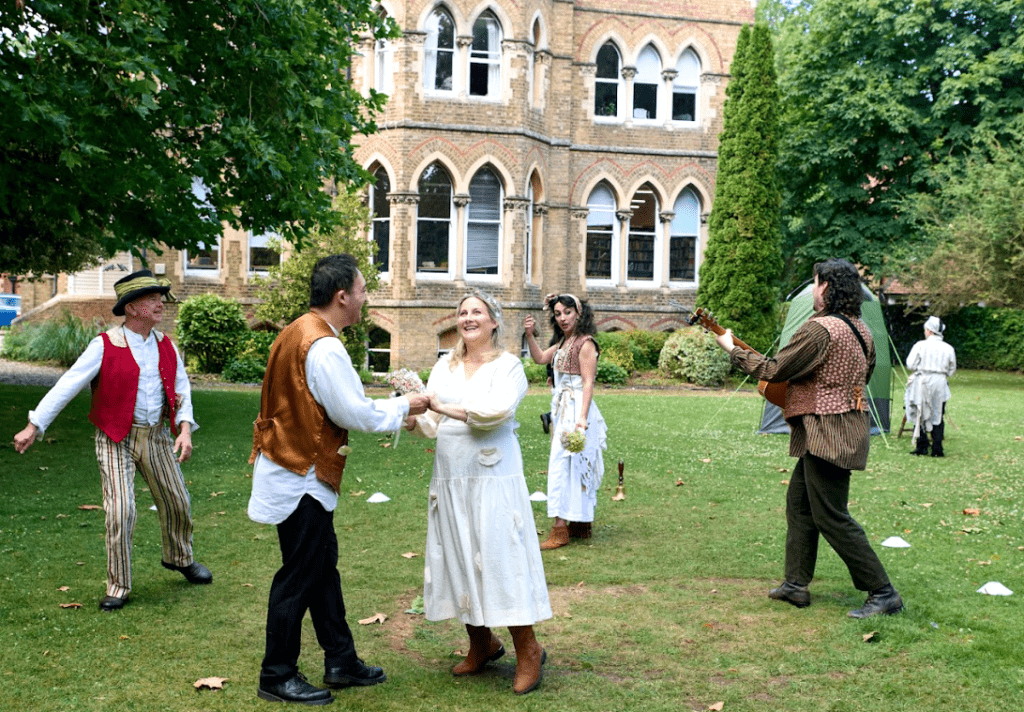
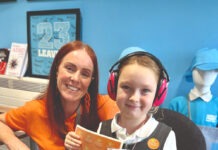
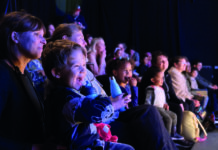
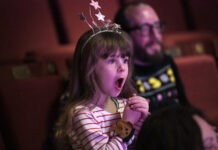
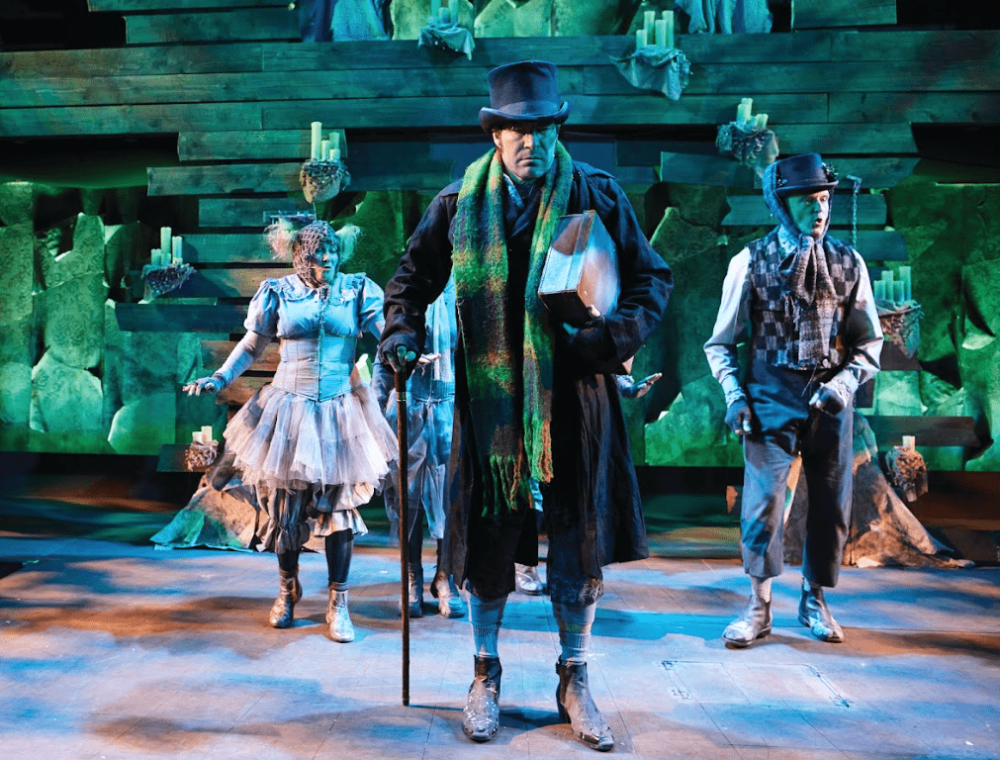
A theatre performance can be a magical experience that sparks imagination and creativity, but traditional theatre can involve intense sensory stimuli—bright lights, loud noises, and fast-paced action—which can overwhelm children with sensory sensitivities. Relaxed performances adjust the lighting and sound, creating a more comfortable and manageable environment. Some theatres provide noise-cancelling headphones if you want them. Often, the house lights are kept on during the show. This can be reassuring, and it can help parents and carers support children without fumbling in the dark. Many productions provide a visual story—a picture-based synopsis like a graphic novel—which can be reviewed beforehand to ease anxiety, often covering the entire journey from arriving at the theatre to watching the performance. Sometimes, the cast will introduce themselves before the performance starts, giving children time to get familiar with the actors, their costumes and their voices. Puppets and key props may be brought out and introduced. This informal moment before the show is also a chance to make families feel welcome and set the tone for a relaxed, permissive atmosphere—arguably the most important part of the experience.
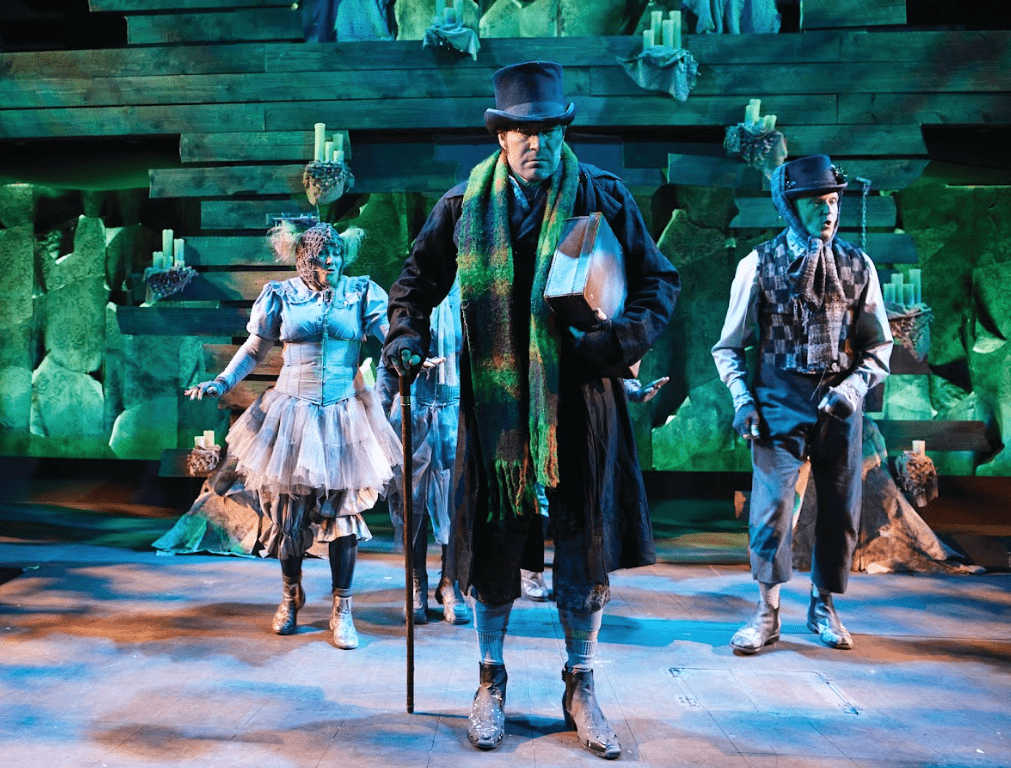
For neurodiverse children, a relaxed performance can be profoundly validating. It shows them that their needs and behaviours are accepted and understood, fostering self-esteem and a sense of belonging in their communities. Productions are frequently designed so that every performance is accessible, eliminating the need for a designated relaxed performance. These productions make accessibility central to their aesthetics, rather than something that is added on. It’s exciting to see productions where inclusivity is woven into the fabric of the show—for example, signing integrated into choreography or a welcoming, relaxed atmosphere from the outset. I hope (and believe) we’ll see more of this in the future.
Theatre is more than just entertainment. It’s a powerful tool for emotional and social development. For neurodiverse children, relaxed performances help them build key emotional and social skills in a safe, supportive environment. They allow these children to engage with stories, characters, and emotions in ways that foster growth and learning. Watching characters experience joy, sadness, conflict, and resolution can provide a framework for neurodiverse children to better understand their own emotions. Seeing emotions unfold in a structured, clear way helps develop emotional awareness and empathy.

When theatres make an effort to create inclusive spaces, they send a message that diversity is not just accepted but celebrated. This promotes greater acceptance of neurodiversity in all areas of life. As neurodiverse children and their families are welcomed into cultural spaces, they gain the opportunity to shape the narratives and experiences that define their communities. This enriches our cultural landscape and reflects the full range of human experience. Relaxed performances challenge the idea that theatre must be rigid and formal. By allowing for flexibility, movement, and different forms of engagement, theatres can create more dynamic, inclusive ways of experiencing stories. This openness benefits all audiences, not just neurodiverse people, by encouraging creativity and innovation in the way theatre is produced and enjoyed.