












At the heart of gymnastics lies inclusivity, says Kimberley Wright. Gymnastics can adapt seamlessly to suit anyone’s physical, sensory and cognitive characteristics.

With Paris 2024 on the horizon, now’s the time to truly understand the benefits gymnastics can offer. Recreational gymnastics, in particular, serves as a foundation sport, providing young people with an incredible base for personal discovery and development. Recreational gymnastic classes teach children core skills, setting the foundations for learning more advanced skills as they progress further through the sport. For example, standing on one leg can help a child develop their balance, which they can use to transfer and perform movements and skills on a bench or beam.
Gymnastics is an excellent activity for fitness as it involves movement of the whole body, making it the perfect activity to release energy and endorphins. These also help to trigger a positive feeling in the body which can have a positive impact on your happiness and mental wellbeing. There’s always something new to learn, which is great for encouraging further progression and boosting confidence. That feeling when you master a skill, regardless how big or small, is empowering, and it’s a big reason why so many people take part in gymnastics today.

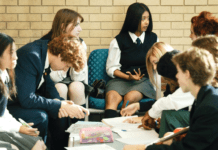
Going to regular gymnastics sessions encourages gymnasts of all ages to interact and develop positive relationships with others. Coaches and teachers who deliver gymnastics foster this, and you’ll often hear gymnasts at competitions cheering each other on. It’s this camaraderie that helps to make the sport so inclusive.
At British Gymnastics, we celebrate the unique differences, skills, and abilities of each participant. We love hearing from the gymnastics community about the amazing benefits gymnastics has given people through our Find Your Amazing campaign. Through our partner schools programme we can help more children to enjoy the benefits of the sport from an early age. Gymnastics can be easily adapted for all abilities, whether someone has a physical, learning or sensory impairment, there is always a way to deliver something fun. Rise Gymnastics, our inclusive gymnastics programme and award scheme, provides recreational gymnasts of all levels, in schools, leisure centres and gymnastics clubs, the opportunity to get involved with new challenges while exploring a wide range of gymnastics skills in inclusive learning environments.

One inspiring gymnast who is breaking down barriers as a rhythmic gymnast is Allister Roberson from Erewash Valley Gymnastics Club in Derbyshire. Rhythmic gymnastics emphasises dance-like rhythmic routines, accentuated by the use of clubs, balls, ribbons or hoops. As a gymnast with autism, Allister has experienced significant personal growth through the sport, including improvements in his development and communication skills. He says “I was doubtful of myself at the start of my journey, but I’m now really happy about being more confident.”
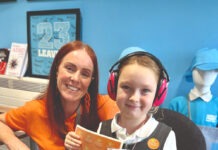
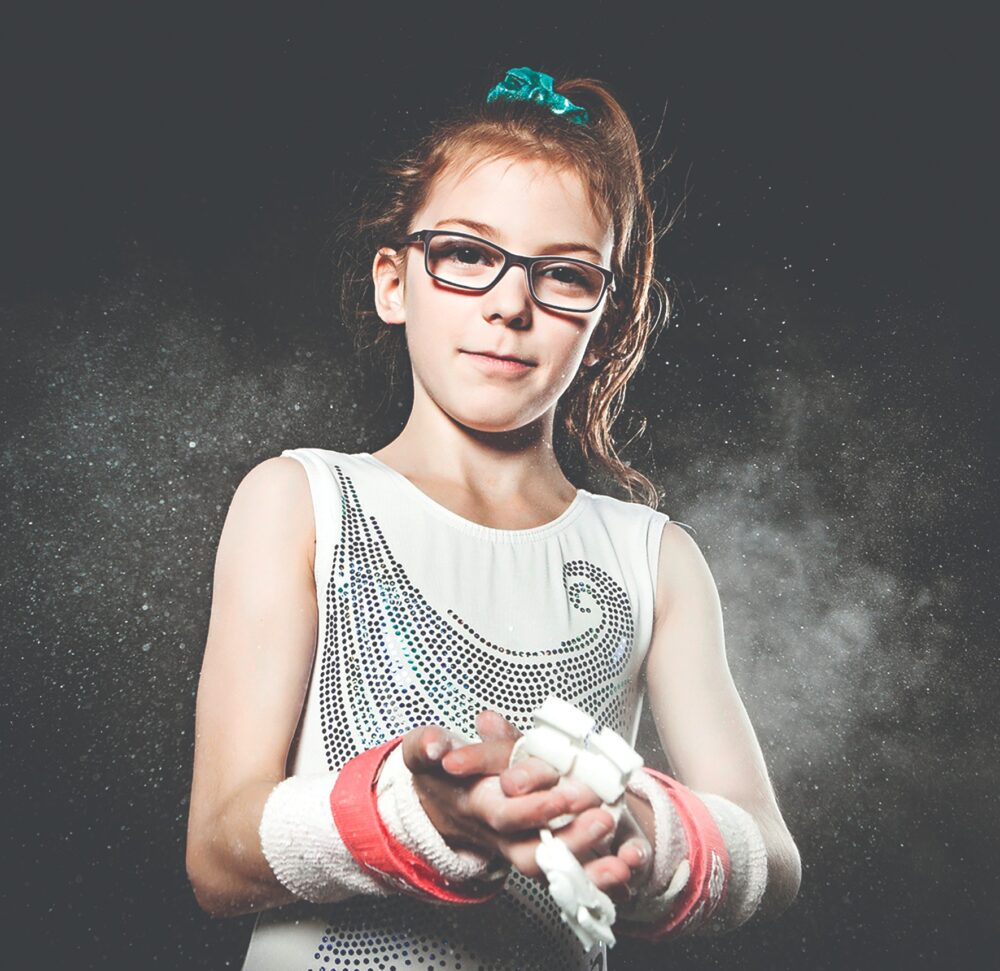
Another remarkable young gymnast who has found her amazing is Lily from The Wire Gymnastics Club in Risley, Warrington. Lily has ADHD and Autism, with traits of OCD. When she first started, she would use cards to communicate, but after several months of starting gymnastics, Lily began to talk. Fast forward to now and Lily speaks openly to her coaches and other gymnasts at the gym. She’s even gone on to secure Women’s Junior All-Around gold at last year’s Disability British Championships.
We’re always looking to hear from gymnasts all over the country about how gymnastics has helped them.