










Inclusivity is not merely a box to be ticked. It’s essential to a thriving, modern visitor experience, writes Jenny Search.
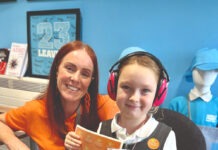
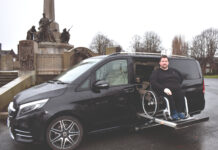
First impressions count, and while inclusivity begins with access, from ramps and lifts to accessible toilets and a visual story (giving a detailed walkthrough of what to expect in the science centre), the journey towards a truly inclusive visitor centre touches every aspect of the visitor experience, from the company website to the friendliness of the goodbye on departure. Working with young people from the autistic community led to the development of our sensory bags, which are available to hire from reception, and sensory boxes, which are kept in our laboratories for school visits. These contain ear defenders, sunglasses, fidgets and a copy of our visual story.

Pre and post visit audience engagement can also go a long way in achieving a better understanding of needs, expectations, what works and what could be improved, while building closer relationships with communities.Staff training on everything from Makaton and autism awareness to sight loss training, is essential for creating and maintaining a welcoming and inclusive experience. Educating staff on the diverse needs of visitors means that every team member can effectively assist people with their particular challenges and ensure that everyone feels seen, heard and valued.
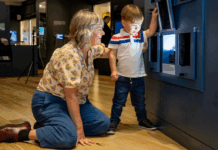
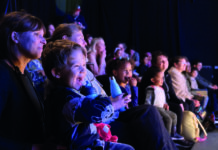
It is also important to remember that one size does not fit all. For some visitors, crowded busy environments, bright lights and loud noises can be a challenge and for the past five years we have been holding Relaxed Sunday Sessions, where visitors can explore the science centre with fewer visitors, less noise and dimmed lights and enjoy relaxed performances in our Planetarium and Science Theatre. There’s a real appetite for a calmer, quieter experience that still captures all the excitement of a more conventional visit.

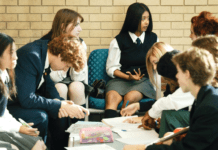
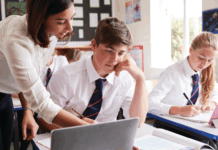
Rather than running alternative activities for SEN groups, we make our programme as inclusive as possible and make adaptations to our existing workshops to make them accessible. We adapt on a case-by-case basis after talking to the teacher to find out their requirements and what works best for their group. We will work out the best spaces for the group to use, the most suitable workshop for them and any changes needed, for example larger versions of equipment for some students.

When visitor centres embrace inclusivity wholeheartedly, the benefits ripple outward, and the impact can be significant. In the words of one parent Michelle, whose autistic daughter Joella came to one of our sensory science clubs, “The experience has boosted her confidence and changed the direction of her life.”