















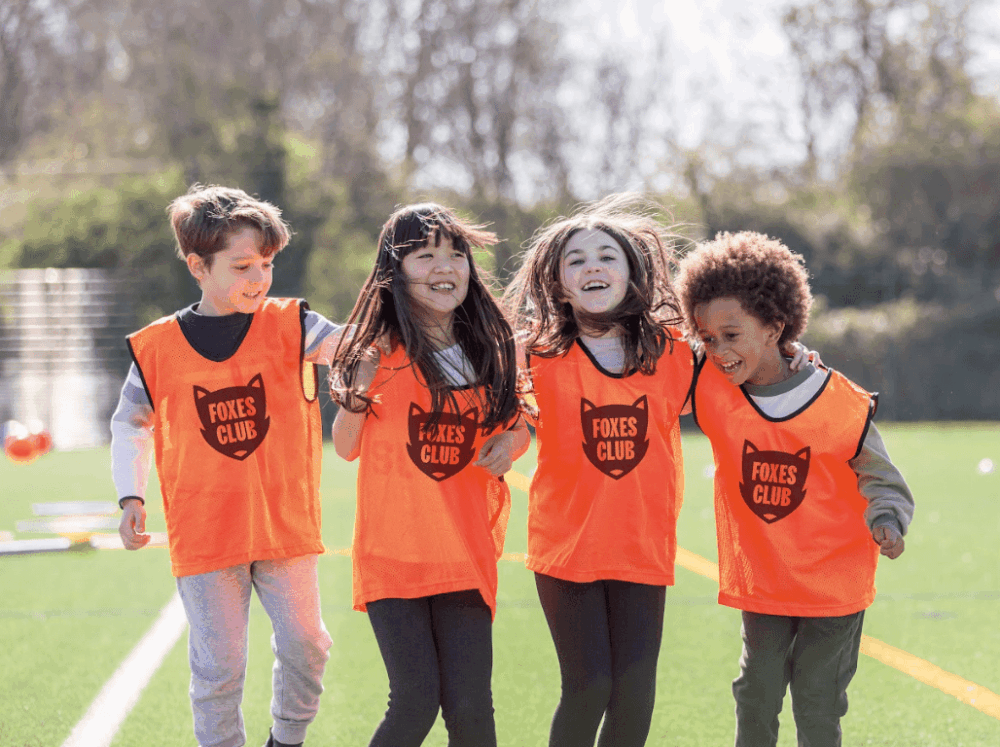
James Long on the critical role of inclusive sport in supporting children with special educational needs and disabilities.
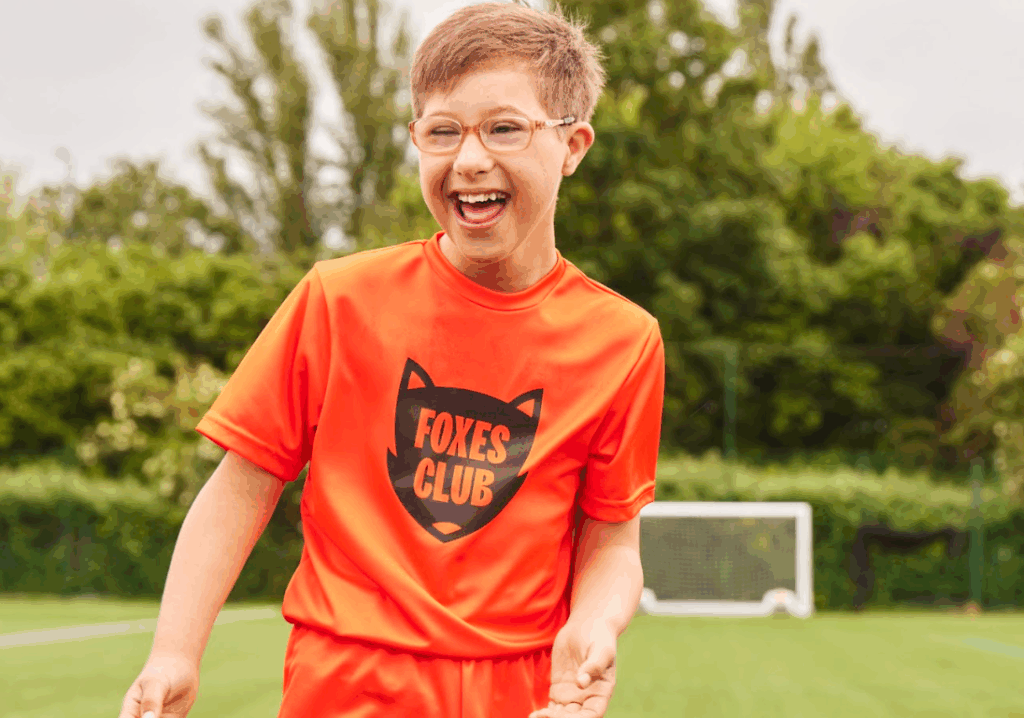
For children with special educational needs and disabilities, access to inclusive sports is not just beneficial—it is essential. It provides opportunities for personal growth, skill development, and community engagement while addressing the often-overlooked health disparities that can affect disabled children. Regular physical activity is linked to numerous developmental and health benefits, including improved motor skills, better cardiovascular health, and enhanced cognitive function. However, children with SEND often face barriers to participation, including a lack of tailored programmes, insufficient resources, and limited awareness among sports providers. These barriers must be dismantled to ensure that all children can reap the rewards of an active lifestyle.
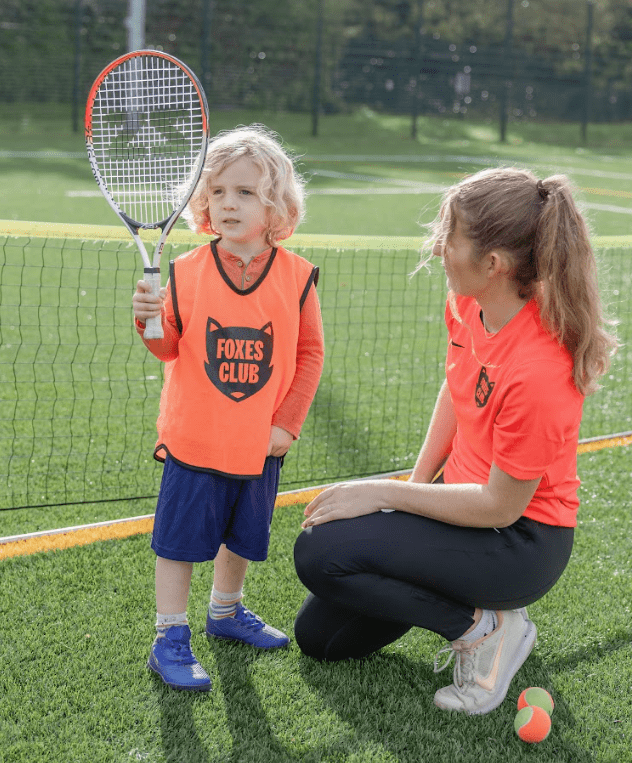
Nationally, only a fraction of disabled children engage in regular physical education in school settings, often due to a lack of trained staff, appropriate equipment, or inclusive programming. This is a critical issue that requires urgent attention from policymakers, educators, and sporting organisations. One of the key challenges is the need for more inclusive coaching methods. Traditional coaching approaches may not always meet the diverse needs of children with SEND, necessitating alternative strategies such as multi-sensory instruction, visual supports, and modified rules of play. By investing in coach education and training, we can bridge this gap and empower more professionals to facilitate high-quality, accessible sports sessions.
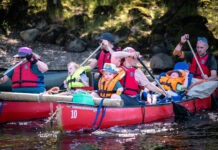
Beyond the physical benefits, inclusive sport plays a crucial role in promoting emotional resilience and social inclusion. Many children with SEND experience isolation due to social and communication challenges, but sport provides a structured way to connect with peers, build friendships, and develop teamwork skills. Sporting participation can also lead to a greater sense of autonomy and self-worth. Success on the field—whether through scoring a goal, mastering a new skill, or simply enjoying the game—can translate to increased confidence in other areas of life, including education and social interactions. Parents and caregivers frequently report that their children demonstrate improved self-esteem and reduced anxiety as a result of engaging in inclusive sports.
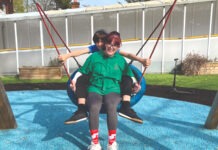
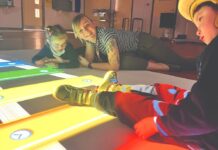
Not all physical activity needs to be part of a structured sports programme. Parents, caregivers, and educators can encourage movement and play in simple, accessible ways. Sensory walks, for example: engaging children in outdoor walks where they can touch, listen, and observe different textures and sounds can help with sensory processing while encouraging movement. Simple ball-games such as rolling, throwing, or kicking games with soft balls can improve coordination and motor skills in a fun, low-pressure way. Obstacle courses using such household items as cushions, tunnels or cones to create a mini-obstacle course can help develop balance, spatial awareness and problem-solving skills. Adapted yoga poses and stretching exercises can support flexibility, relaxation, and body awareness. Free dance movements to music helps with rhythm, coordination and emotional expression while making physical activity enjoyable. Activities in shallow water, such as floating, splashing or moving objects can be therapeutic and fun, especially for children with mobility challenges. The key is to keep activities enjoyable, adaptable, and aligned with the child’s individual needs and interests. Encouraging even small amounts of movement daily can make a significant impact on a child’s physical and mental well-being.
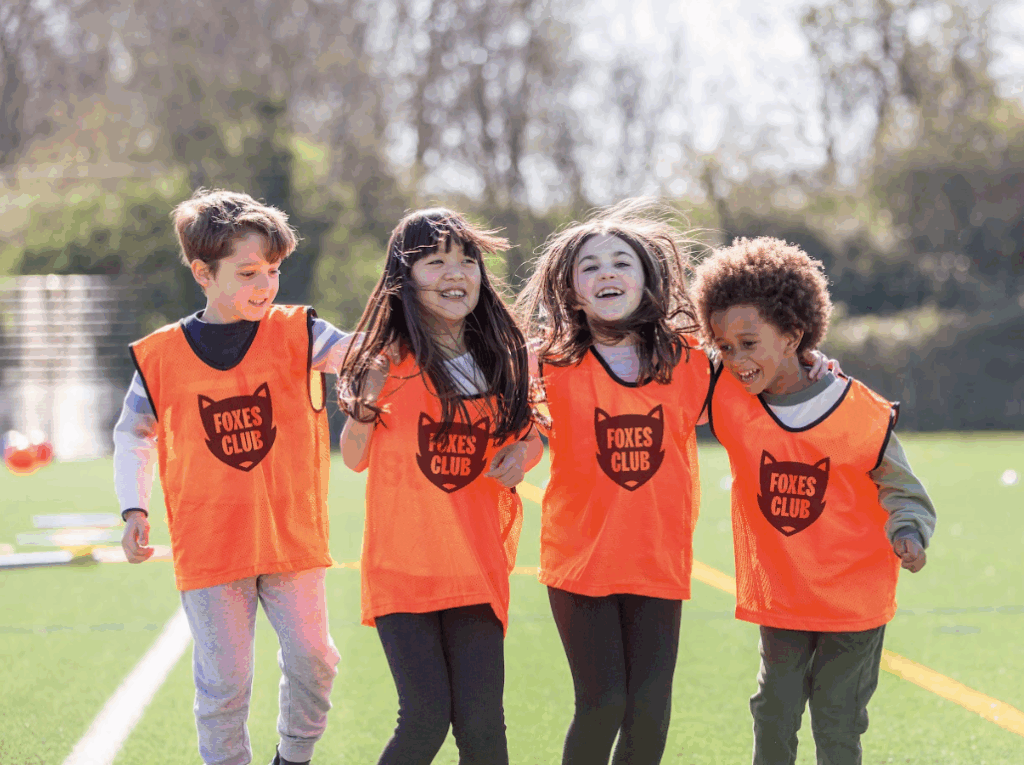
We urge sports clubs, educational institutions, and local authorities to join us in prioritising inclusive sport. By working together, we can remove barriers, create opportunities, and build a sporting landscape where every child, regardless of ability, is empowered to participate, develop, and thrive. Inclusive sport is not an optional add-on—it is a fundamental right. It is time to ensure that every child has the opportunity to experience the joy, community, and lifelong benefits that sport can offer.