

















Alexander Robertson on sand play for self-expression and emotional regulation.
Can expression exist without language? For many children and young people with special educational needs, articulating internal emotional states can present a considerable challenge. Sand tray therapy, though ostensibly simple in its delivery, offers an alternative means of expression that demands neither verbal fluency nor immediate introspection.
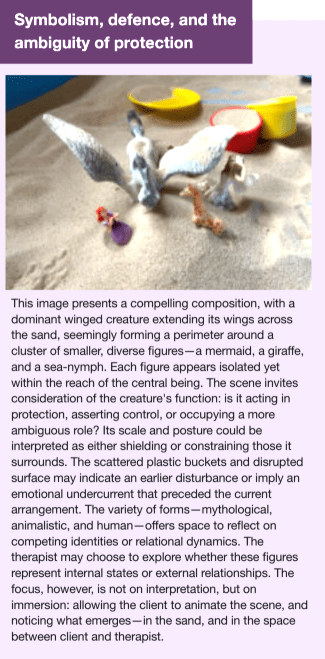
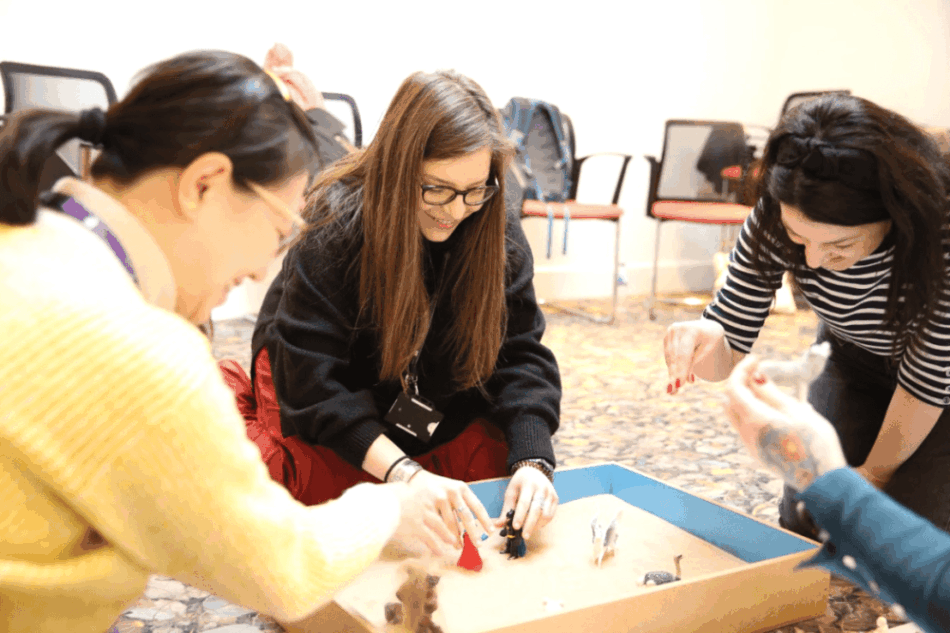
Rooted in the work of Margaret Lowenfeld in the 1920s, sand tray therapy has become an established intervention in therapeutic and educational settings. Lowenfeld’s aim was to enable children to think in pictures, thereby bypassing the often complex and confronting task of verbally narrating distress. The therapeutic mechanism is based on projection: the individual externalises internal states using miniatures and figurines arranged in a shallow tray of sand, creating a symbolic representation of their inner world.
This form of expression is particularly useful for children with ASD, trauma histories, or significant communication needs. The act of creating in sand becomes both cathartic and diagnostic, enabling the therapist to explore themes of attachment, anxiety, conflict or resilience—all without the child having to explain.
Evidence in support of the intervention is growing. Studies have shown sand tray therapy to be effective in reducing behavioural issues and increasing self-regulation. Crucially, the sensory aspect of sand also plays a calming role, especially for those experiencing heightened arousal or anxiety. In a therapeutic landscape that continues to prioritise the spoken word, sand tray therapy offers an alternative—one in which healing is facilitated not through dialogue, but through the quiet and deliberate placement of symbols in sand. It is a reminder that for some, the most profound disclosures do not require speech at all.
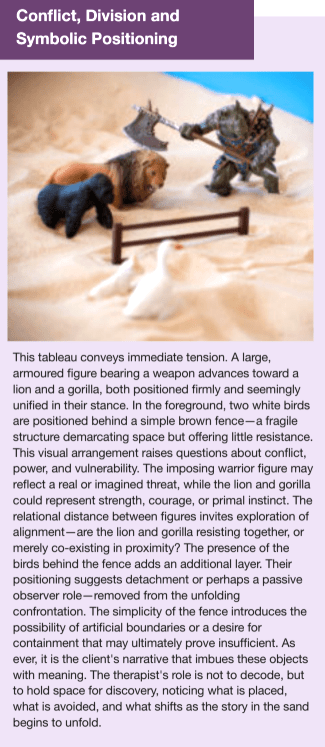
When you know the story of the scene that is portrayed you can then invite identification with each of the objects, leading to dialogue. Encourage the child to act on any impulse to move or change the objects. Experiment with the objects when you hear something like I’d like to bury her or I want to stand on top of the mountain, support the child to do it, and then explore what the experience was like. Immerse yourself in the image and help the child bring it to life rather than talk about it. Pay attention to how you feel in response to the sand tray image in terms of unconscious communications. It may hold something of the transferential relationship.