





















Accessible publishing is not a niche, it’s a necessity, says Emma Steel.
For many children with special educational needs and disabilities, the path to reading enjoyment is obstructed not by a lack of interest, but by a lack of access. Reading for pleasure is one of the strongest indicators of future academic success, mental wellbeing and social inclusion. Yet according to the 2024 study by the National Literacy Trust, barely a third of children and young people said they enjoy reading in their free time. For children with SEND, enjoyment can be even harder to attain, often because the reading materials available are not designed with their needs in mind.
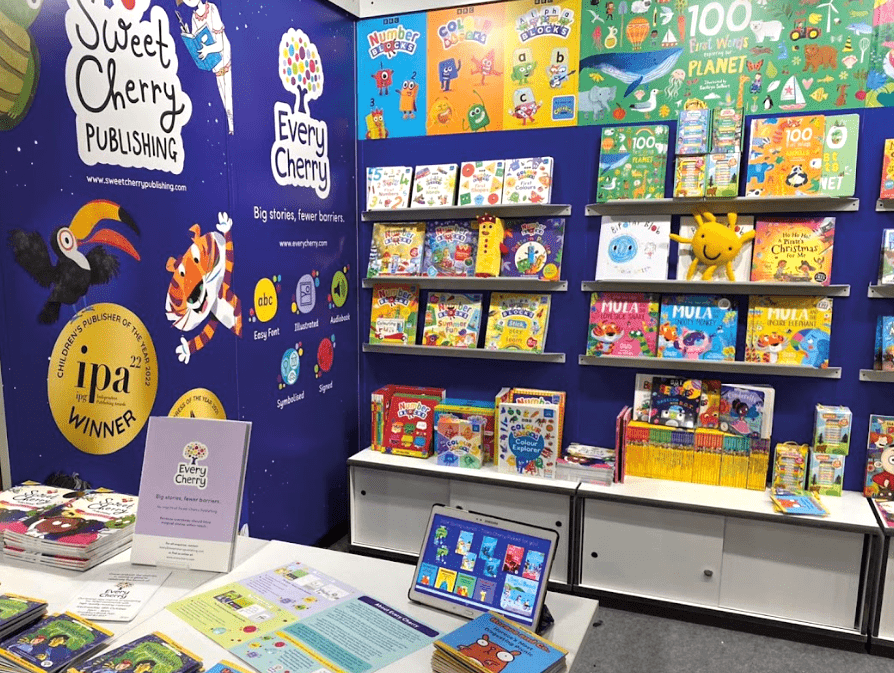
Classrooms across the UK are increasingly diverse, but publishing has not always kept pace. While accessible formats such as large print, dyslexia-friendly fonts and audio are essential, they are often seen as supplementary or afterthoughts. The reality is that many children require materials designed from the outset with accessibility at their core: books that are not merely adapted, but intentionally created to meet a spectrum of learning styles and needs.
This includes symbol-supported texts, sensory stories that engage through texture and movement, and simplified language that preserves meaning while removing cognitive barriers. A 2020 government study into pupils with complex learning difficulties found that multi-modal approaches to reading, including symbol-supported resources, resulted in measurable improvements in engagement and comprehension. Yet such formats remain underrepresented in mainstream publishing.
The issue is not one of literacy alone. Making books more accessible helps foster autonomy, confidence and a sense of inclusion. For non-verbal or minimally verbal learners, books with integrated symbols can offer a rare chance to access the curriculum on their own terms. For children with processing disorders, sensory-friendly books can turn what was once an overwhelming experience into an inviting one. And for educators, fully accessible books remove the need for constant adaptation, allowing them to focus on connection rather than conversion.

Inclusion in education cannot be achieved solely through pedagogy or policy; it must be embedded in the materials children are offered each day. When books are designed with accessibility at their heart, the benefits ripple outward, to learners, to classrooms and to society at large.