











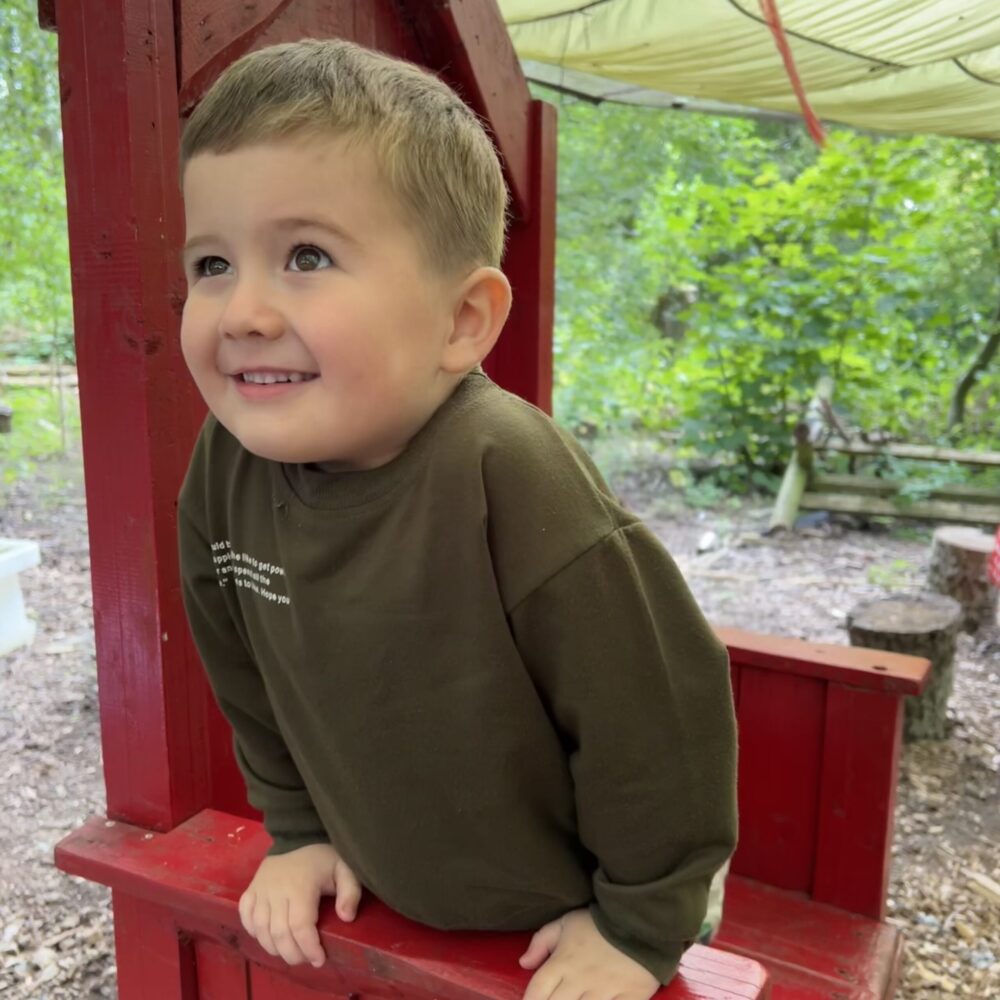
In which Hayley Harrison’s mental health takes a tumble after George is diagnosed.
My idea of my child was already forming before he was born. It’s amazing how quickly I could shape an entire human being in my mind, down to the hobbies he’d have, the toys he’d like to play with, what he’d want to be when he grew up and how he’d dress. I remember the day I realised that my mind’s child would never exist, and never had.
When my son turned one, what I had brushed off as quirks started to become hard to ignore and as he aged and missed milestones, I reached out to the Health Visitor for advice. Autism was a word that was used many times when speaking with practitioners but although I had heard of it, it was something I knew little about. As we went throughout the assessment process, I tried to educate myself on what exactly it meant and how it would shape his life. At two and a half he was diagnosed with Autism, Pica and Sensory Processing Disorder (SPD).
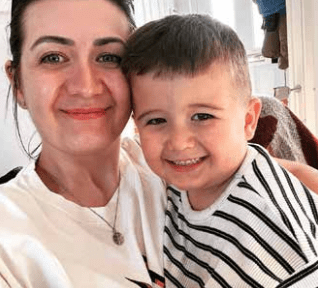
My mind went into a tail spin after this. Not due to the diagnosis itself, but due to the realisation that my child’s life would be different to that of his peers. My family and friends all had neurotypical children and when I reached out to them, they offered advice like you just need to get on with it, you’re a parent now, or being a parent is hard for everyone. At first, I saw this as a sign that I was a bad mother. Was it my fault that he was this way? Had I not loved him enough to help him flourish?
So I locked myself away from the world. I felt unable to cope with the judgement in the eyes of those around me. Every time George had a meltdown at the supermarket, I could see people shaking their heads at my naughty child. At Tesco we were once in the freezer aisle, as George loves chicken nuggets, when he suddenly threw himself to the floor and began to lash out and make loud noises. The people in the aisle with us did not stop to ask if he was okay, but instead carried on walking past us with their trollies, tutting and shaking their heads. The judgement from the people around made me feel small and inadequate. It became difficult to find places to go. Soft plays were a no go and so were the clubs and toddler groups we had previously attended. My son stood out like a sore thumb, and the comments and looks were more than I could handle.
It was a low point for me. I had been given a diagnosis for my child without a notion of what support was out there and what I could do to get it. Most of all, it made me feel like an inadequate mother who had failed her child. When I looked at him, all I saw was my little boy who was different but not less, and I wanted to wrap him up and protect him from the big scary outside world.
George started school nursery and my mental health took another hit. It was a mainstream school and they weren’t equipped to deal with his needs as they were low on staff and resources, so the phone would ring after he had been in school for around half an hour. But the school’s SENDCo had grandchildren with autism and understood that this wasn’t the correct place for George. He needed more care than they could provide. She was a great help with the EHCP process, and she recommended him for specialist provision.
I’d had to leave my job because I’d become unreliable. School would call me and I would have to rush off to collect George. This sometimes happened just ten minutes after I’d arrived at work. I lacked adult company. All my friends, family and husband were at work and I struggled with the monotony of my new life. I was stranded on a desert island of my own making and I’d waved away all passing ships which stopped to rescue me.
Months passed by where I mostly just existed, with George as my companion, and I was unsure of where to turn. My GP put me on antidepressants and gave me the number for talking therapies, but the waiting list was 524 days. I was at the bottom of a deep, dark well and I was shouting for help, and no one could hear me. No one around me understood my situation.
My day with George would consist of him running around the house with his tablet in hand, blaring the sounds of Peppa Pig. He would destroy the house, ripping wallpaper from the walls, breaking picture frames, pulling down blinds and curtain rails, eating the plaster from walls and pulling drawers out and onto the floor. His behaviour was unpredictable, and if I tried to stop him, he’d lash out at me by biting, hitting, scratching, or he bang his head on the floor or bite his hands and arms. I was walking on eggshells, never knowing how to step in or what would happen if I did. My main concern was ensuring he didn’t hurt himself, but I needed more pairs of hands and eyes in the back of my head.
For my son’s sake, and my own, I knew I had to get out of this hole. Through my own research online I found local parent carer groups I could attend, and I was determined to go and see what support was out there. It seemed a mammoth task, going somewhere new when I already felt so low, but I knew I had to go as it was the first step in trying to get the help I needed.
The groups were full of lovely people, but it seemed that in the SEND world it was important to have your own tribe. It was my mission to find a space where I felt safe, supported, and where I felt I belonged. It took me some time, and I went to numerous groups until I finally found one where I fitted in.
It was through my local parent carer forum that I came across Choice Wellbeing Service, a parent carer mental health and wellbeing group where I now work. I met people who completely got my situation and how I was feeling. We have a friendship now that I absolutely cherish. There are still bad days, but we are there to support and cheer each other on.
Working in a supportive environment and finding my tribe drastically improved my mental health more than medication or any other intervention I’d tried. Through this I learned what it was like to have someone empathise with me but not pity me and to understand that I needed a break when life became too overwhelming. I also learned of my own neurodivergence and learned how to manage my ADHD and Autism so that I was more able to deal with what the world threw at me, and this also helped me to gain more understanding of my son and his diagnosis.
George is a unique individual who never fails to make me laugh with his cheeky character and his mischievous smile. As the saying goes, if you’ve met one person with autism, you’ve met one person with autism. I’ve never met another child like him, and I doubt I ever will. He’s thriving in his specialist provision, and their care and support is helping him to blossom and let his personality show. He is starting to make sounds and is becoming much more inquisitive, exploring new foods and the environment around him.
My SEND journey has helped me to gain lifelong friends and discover who I am. I understand that sometimes it’s okay to be not okay and that the hardest step of all is realising we aren’t superhuman and we do need to ask for help. Help is out there and even if it takes a while to find the help that is right for you, hang on in there.