

















Eleanor Segall, who went through it herself, discusses how to manage social anxiety in children and young people.
Social anxiety, a fear of different social situations and negative judgement, can be an overwhelming problem for many children and teenagers. It particularly affects children with SEN or mental health conditions. As Nadim Saad wrote in SEN magazine in 2023, Social anxiety in young people has long since been on the rise and the pandemic has intensified this. School avoidance and lack of face-to-face interactions has meant that returning to school has been hard for pupils with anxiety. Additionally, having to be part of group activities or public speaking can trigger social anxiety. For children with SEN with social anxiety, there are the additional stressors of a chaotic, busy classroom and worries about friendships or communicating with adults which can lead to emotional distress.
The NHS describes social anxiety as a long term and overwhelming fear of social situations which can be very distressing and have a big impact on your life. It can affect self-confidence, relationships, work and school life. Social anxiety includes worry about everyday activities, such as meeting strangers, talking on the phone, attending school, worry about group social activities including parties, worrying about blushing or appearing incompetent, fear of being criticised and low self-esteem, feeling sick, trembling or experiencing palpitations and panic attacks.
I have experienced social anxiety myself since I was a teen, and over time I have found ways to cope. As a teenager, I struggled with my mental health, including social anxiety. I was diagnosed with bipolar disorder at the age of 16, and I was hospitalised for the condition. I felt like I was different—I had a chronic illness and I didn’t know who I was any more. As a teenager, you don’t want to feel singled out, so having a psychiatric emergency made me feel weird and different. I judged myself and I had self-stigma. I just wanted to fit in.
This is what sparked my social anxiety after I left hospital with a diagnosis and new medication. I had already been living with anxiety from a young age after being bullied at school. As I grew older, I had a bad episode of anxiety at the age of 15, as part of a depressive bipolar episode. Bipolar is a mood disorder thought to be caused by a chemical imbalance, and it runs in my family. As part of the depression, my anxiety levels went through the roof. I had heart palpitations, my thoughts raced, I couldn’t sleep or rest and I had to take medication to slow my mind. I was judged negatively by other teens. That summer, I went away on holiday with my youth group and I had a hypomanic bipolar episode. Not everyone understood what was happening to me and some thought I was just hyper or strange. I internalised this, which led to what I now know is social anxiety. Social anxiety for me is the intense fear of negative judgement from other people. You worry that people could be looking at you, thinking bad things about you and judging you, so you avoid social events and it can be difficult to maintain friendships. I began judging myself negatively and projecting this judgement as how other teens saw me.
This fear turned into not being able to go to parties, worrying about the way I looked and having to cancel on friends and arrangements. It became constant. In order to stop the panic and fear, I felt I had to stay inside and not see people. This was really challenging. As well as the negative thoughts, I had panic attacks. Rationally, I loved seeing my friends or attending their celebrations, and I would make arrangements, looking forward to seeing them. Then the anxiety would bubble up like in a pressure cooker. I would be flooded with adrenaline, and I had constant irrational negative thoughts about the situation that I could not control. My heart would beat so fast, and I would feel sweaty with clammy hands. I had to stop the fear. My fear of being judged negatively was turning into a phobia.
What helped me recover from this was a long process over many years, and there are times I still experience social anxiety. After I met with a psychiatrist, I was put on some anti-anxiety medications, including beta blockers. Anti-anxiety medications, as with any mental health medication, are trial-and-error for each person. Everyone has individual brain chemistry. My medications were prescribed in combination with various types of therapy. I was taking a general medicine and prescribed some for emergencies when I had panic attacks.
I began to have Cognitive Behavioural Therapy (CBT), which tries to rationalise the anxiety thoughts and change your thought patterns to a more positive frame of mind. I had many sessions over months, but it was clear that this type of therapy wasn’t working for my subconscious anxiety. I would write and challenge my thoughts on paper in a thought record, but then would have a panic attack and would end up crying and exhausted. However, this does work for some teens.
One therapy that really clicked with me was Exposure Therapy, where you lean on your support network and gradually expose yourself to the feared situation. In my case, this would mean not instantly cancelling but sitting with high anxiety for 45 minutes until it passed. This didn’t work straight away. I often couldn’t handle sitting with such heightened anxiety.
Fortunately, my family provided excellent support. Mum would take me out for drives to get me used to going out again. I would set myself small challenges like walking down the driveway, then down the road, until I gradually coaxed myself back out into the world again.
There is a belief that when we stop seeing certain things as a threat and expose ourselves to the anxiety and nothing bad happens, the part of the brain (the amygdala) that controls anxiety will reset itself. I slowly began to find that the more things I was able to do, the less I was flooded with adrenaline. For me, it was empowering to sit with the level of anxiety and then not cancel the feared event. Going through with certain things was a massive achievement for me.

I’m thirty-six now, and my social anxiety is a lot better, but I still have relapses, and I feel myself slipping back into my anxious patterns of thinking. I also found self-care such as meditation and being kind to myself really helped me, as well as sitting with a therapist in Talking Therapy sessions, which helped me process my issues. Now I want to help other children who may be going through social anxiety, and I have written a picture book to help them process their feelings (see below).
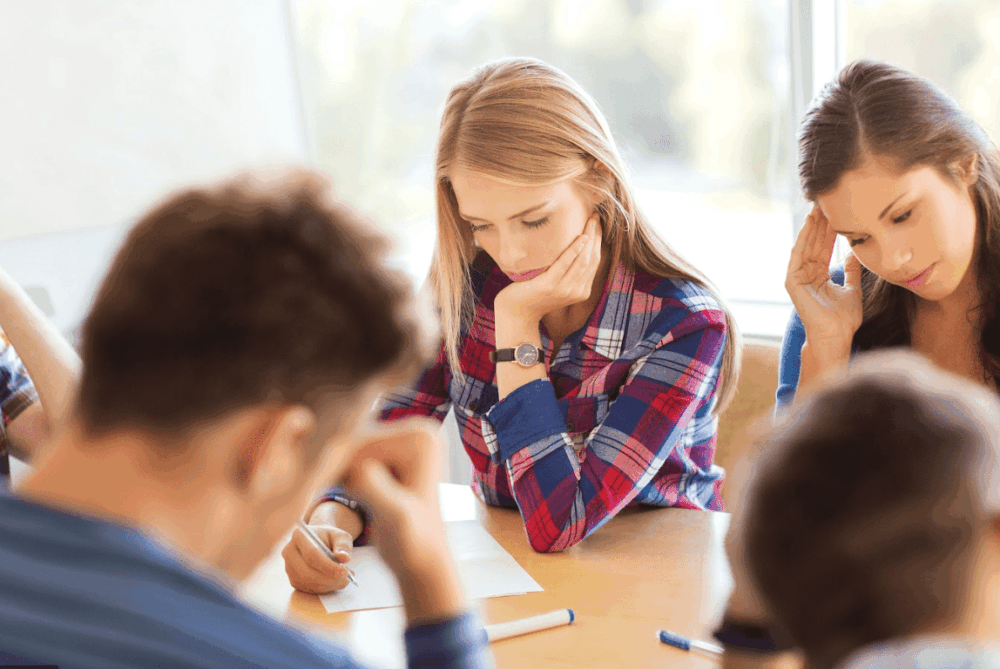
For children in schools, and particularly children with special needs, you may want to work as part of a team with the teaching staff and your doctor to assist. If your child has a one-to-one learning support assistant, they can work closely with your child to help them cope with any anxiety at school. Creating a stable routine for your child or teen at school is important, too. Students need to have safe, quiet places to go at school when they feel overwhelmed by social anxiety, and to have things to calm them such as fidget toys, stress balls or a bag of lavender to smell. Other things that can help are whole-school wellbeing assemblies and older pupil mentors, as well as using visual timetables for children with SEN to follow.
The Anna Freud charity says It is important for schools and colleges to recognise that social anxiety disorder can harm a child’s emotional and mental wellbeing. Therefore, it is helpful to try and lessen the anxiety surrounding the child or young person as much as possible.
PS Eleanor mentioned Nadim Saad’s article in SEN Magazine. The article can be read online here: https://senmagazine.co.uk/wellbeing/18531/how-to-reduce-social-anxiety-in-school/