









Children’s author Naomi Jones on motivating dyslexic children to read.
I’ve always loved books. As a child I learnt to read early. I was already writing my own stories and poems when I was seven. At university I studied English and although I enjoyed the subject, for the first time in my life I began to struggle academically. I felt like I was working twice as hard as my peers and still getting lower marks. It was frustrating. So I can empathise with children who struggle. The good news is there is so much that can be done by parents, teachers and schools to help dyslexic children with their reading. Books are for everyone, no matter how inaccessible they might initially feel for a dyslexic child. The key is to help them fall in love with stories. Once children want to read, once they want to know how the story ends, this will help them with the motivation to persevere with reading, even when it’s tough. If there is one thing dyslexia has given me, it’s determination.
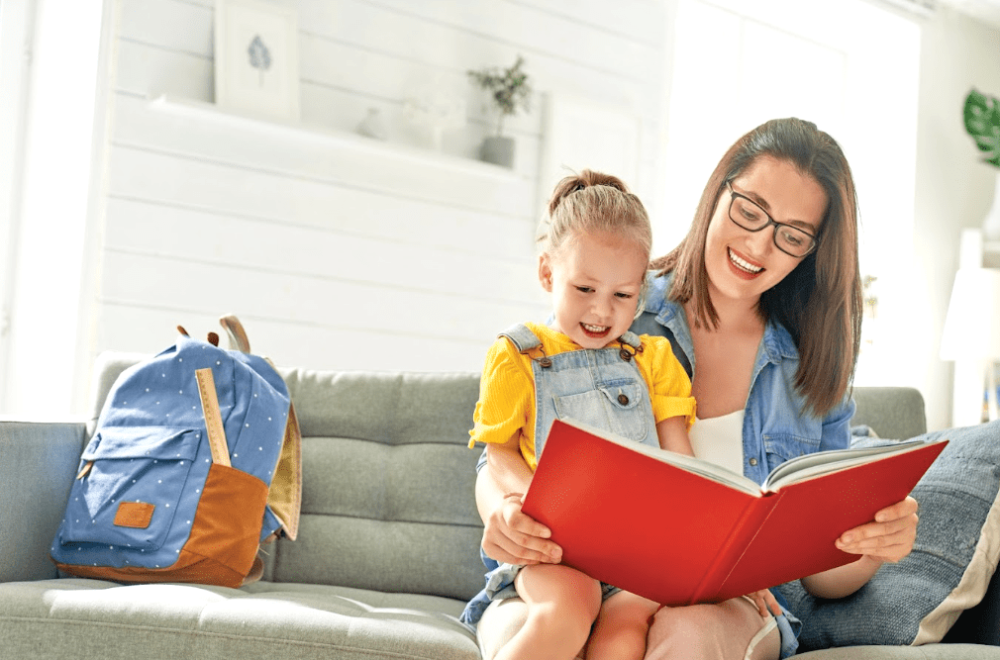
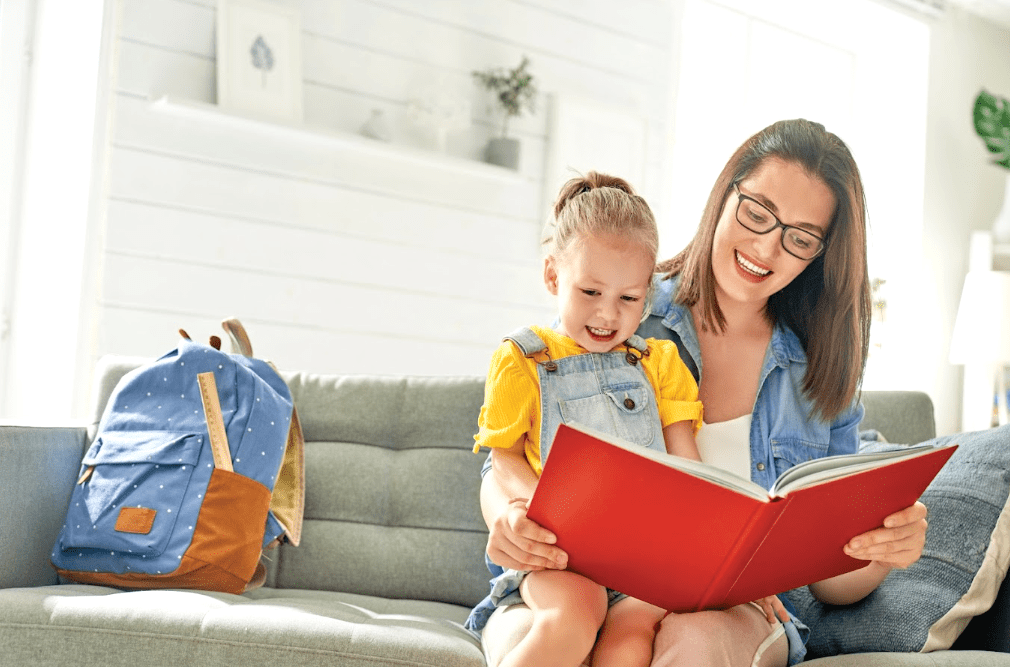
Growing up my parents read to me and my sister every night and that’s what I do with my own boys. We sit and read at bedtime when they’re cosy and warm. It helps if parents can regularly listen to their kids read and read to them too. I think encouraging this at home should always be a priority at school. I know a school here in Cornwall that runs workshops for parents and children where they demonstrate how to make up stories with their kids and discuss the books they’re reading together.
There are some amazing ‘high low’ books available now which are aimed at dyslexic readers such as those by Barrington Stoke or the new Readerful Rise scheme from OUP. These books match a lower reading ability with a higher thematic subject matter and crucially, the books look and feel like the chapter books their peers are reading. It helps that the font and layout are also designed to make reading more comfortable for dyslexic readers.
To help encourage a love of reading, dyslexic students need some freedom to pick their own books. This could also include graphic novels, comics and poetry—as long as a child is reading, then it shouldn’t matter too much what they’re reading as long as they’re enjoying it. Both my children have been told that they are reading ‘wrong’ by different teachers—my eldest son was reading several books at once, and my youngest was told he couldn’t swap a book he’d got halfway through but wasn’t enjoying. Personally, I don’t think there is a right or a wrong way to read. The more rules you impose on children, the less fun it becomes.
As a Mum I know that what I do has far more impact than what I say. So, if you want children to enjoy reading, they need to see you enjoy reading too. There are a lot of free or lost cost resources available online too which can help bring books to life—this ranges from videos of authors talking about their favourite books, or writing processes, to illustrators leading draw-a-longs. Many authors and publishers also have free downloadable worksheets based on books. The Reading Agency, Authorfry and BookTrust websites are all a good place to start.