
















Daniel White on furnishing special needs environments.
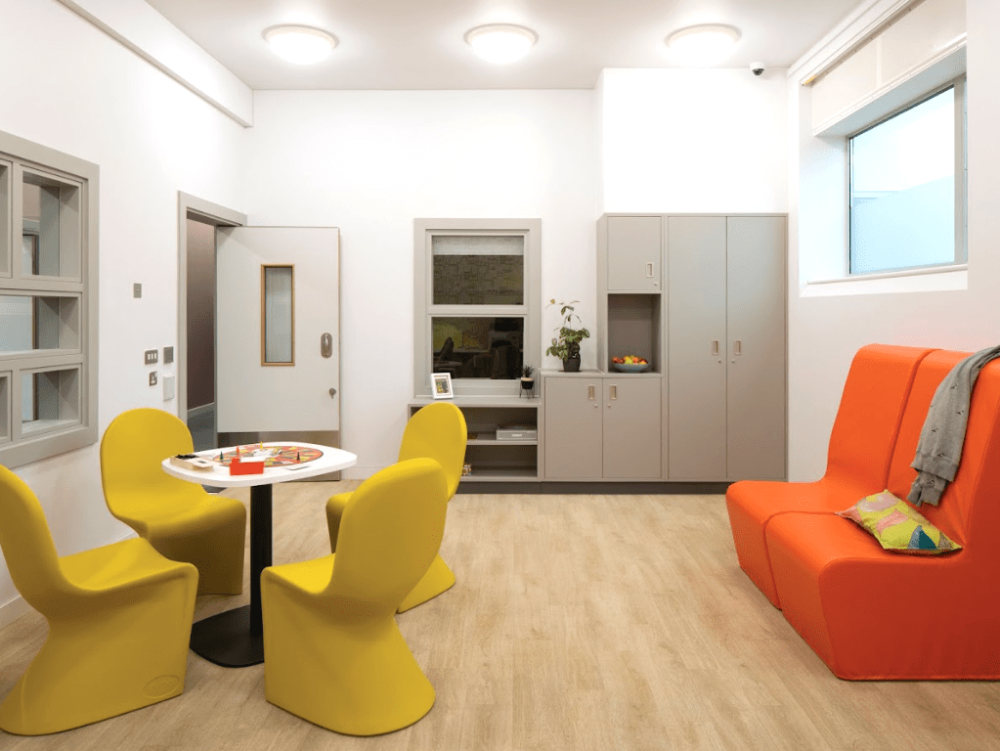
When choosing furniture for SEN environments, careful consideration needs to be given to ensure the products will be able to stand up to the rigours of day-to-day life. Furniture for educational spaces is often designed to be cost-effective, but such products may be unsuitable for challenging environments, and may even compromise safety of pupils or staff.
For some children, learning environments can be overwhelming at times. Frustration and complex feelings that are difficult to process may result in behaviour that tests the strength and suitability of furniture to its limits. Some pupils may experience incontinence, in which case furniture should be water-resistant, easy to clean and quick to dry. Other behaviours may also include enthusiastic use, repetitive actions and, in some cases, non-accidental damage. This means that furniture in SEN environments must be up to the highest standard.
The safety of pupils and staff is of paramount importance. Unsuitable furniture presents injury risks if it gets broken. Damaged items can create sharp edges that could cause harm, or may reveal small parts that could be ingested. In some cases, furniture may be thrown in frustration, posing injury risks to pupils and staff. These risks can be greatly reduced by a careful design approach and dependable production methods which focus on safety as the main priority.
Durability is a big factor in furniture safety, but it also needs to be considered for user comfort. Enthusiastic use can result in sofa springs failing quickly, and repetitive actions such as rocking can soon take their toll on items. Off-the-shelf seating will not withstand such treatment for long, and may need to be replaced multiple times over the years. As well as the inconvenience of the time spent waiting for replacements, the long-term costs of unsuitable furniture can quickly start to build up. Replacing items frequently will also disrupt the environment which can be unsettling, especially for children with Autism Spectrum Disorder.
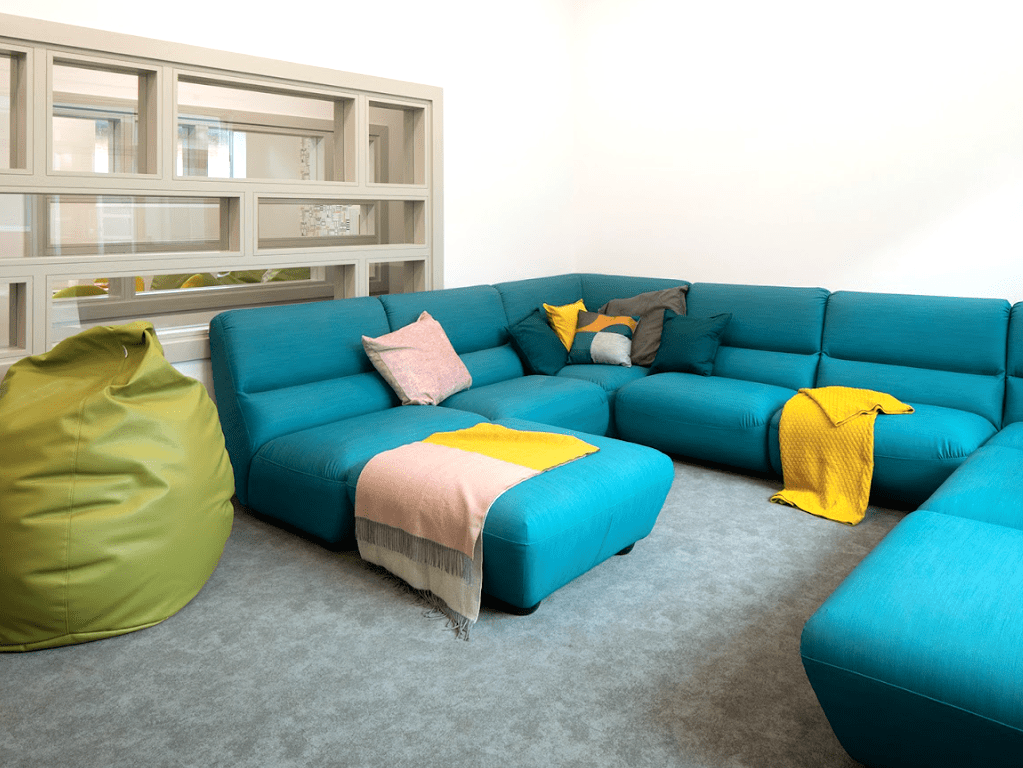
It’s useful to consider the material your furniture is made of. Plastics are a great option if a water-resistant, easy-to-clean item of furniture is required, or if it needs to be suitable for outdoor use. Anti-bacterial additives are available which, unlike surface treatments, provide protection throughout the product even if the surface is scratched or worn. Wood has an organic appearance and can be very sturdy and cost-effective, but exposed surfaces may require upkeep to maintain good condition and may be susceptible to deterioration from long-term cleaning. All-foam products (without an internal frame) provide a soft and safe option for those who need it, and can be combined with anti-vandal vinyl covers which have heat-welded seams instead of stitching to ensure total water resistance and resistance to tearing.
For upholstered furniture, the choice of fabric is worth thinking about carefully. Does the item need to be resistant to stains? Or is it important that the fabric is patterns and tactile textures are important? Advances in fabric technology mean that these attributes don’t need to be at the expense of comfort or water resistance, so there is no need to compromise on essential features. It should still be borne in mind that, while some fabrics are water-resistant, liquids can still penetrate through stitched seams and zips This means that for cases of regular incontinence or spills, more water-resistant options should be considered.
Traditional wooden joinery can be robust, and additional reinforcement techniques (like replacing springs and webbing with reinforcement panels) help to create sturdy tables and seating that will stand up to continuous, enthusiastic use. Alternatively, plastic furniture can be manufactured by a rotational moulding process. This process creates a totally water-resistant and hollow outer shell, which allows ballast to be added to create a heavyweight product that cannot be moved or thrown. For the ultimate peace of mind, products can be securely fixed to the floor, making them totally immovable. Some children find that repetitive rocking provides a source of focus and calm, so furniture designed to allow such motion, such as rocking chairs, can contribute to better learning outcomes as well as reducing strain on products not designed for such treatment.