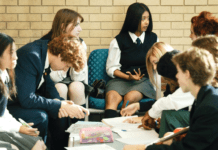

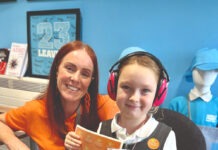

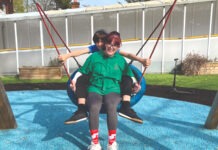
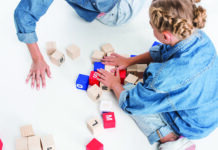












Personal, Social Health and Economic Education (PSHE) should be seen as a core part of education for children with SEND not an optional extra, argues Janet King.
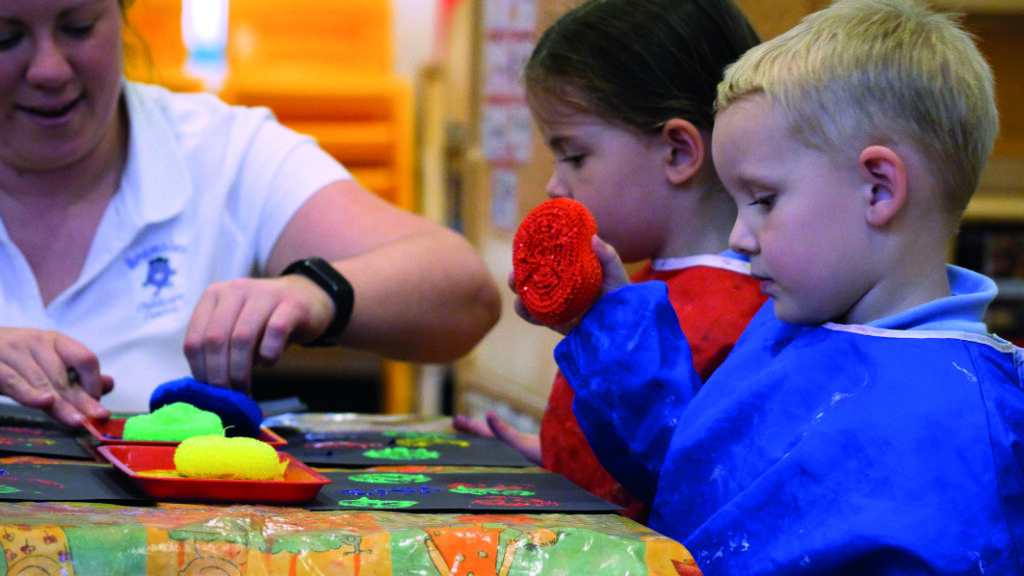
Building upon education that focuses on preparation for life, PSHE is one of those subjects that quietly makes a huge difference in young people’s lives. Unlike traditional subjects, it focuses on the whole child, supporting not just academic success and attainment, but also emotional and social wellbeing.
For children with special educational needs and disabilities (SEND), PSHE is especially important. It helps to build essential life skills, support an understanding of feelings, and supports a sense of belonging, feeling of inclusion and ultimately the development of confidence in the world around them. PSHE isn’t a one-size-fits-all subject. It needs to be tailored to match children’s individual needs. Adaptive pedagogy supports learner-centred approaches that meet each child’s unique needs. It creates rich learning environments through diverse teaching styles and methods to promote holistic development.

Many children with SEND face extra challenges when it comes to socialising or understanding their own emotions. PSHE offers them a safe, supportive space to explore these issues. Through carefully designed lessons, they learn important skills like managing emotions, resolving conflicts, and making good choices. PSHE also plays a big part in keeping children safe from understanding personal boundaries to knowing how to stay safe online. These lessons are vital for all children, but particularly so for those who may be more vulnerable.
Delivering PSHE that meets the needs of SEND learners isn’t easy. Teachers need the right training, resources, and support to adapt their lessons. The value of working closely with parents, therapists, and other specialists to create a consistent and supportive learning environment can’t be overstated. Sometimes the best learning happens as a result of spontaneous unexpected moments or conversations. Incidental moments of magic from serve and return interactions, being ready to respond and sensitive responsiveness is vital to applying the curriculum for PSHE.
Recent reforms to the National Award for SEN Coordination (NASENCO) are a timely reminder of how vital it is for SENDCos to have a strong understanding of inclusive practices—including high-quality PSHE. These updated qualifications place greater emphasis on whole-school approaches to mental health, emotional wellbeing, and safeguarding—all of which are central to effective PSHE provision for pupils with SEND. PSHE also encourages empathy and respect across the whole school community. When everyone understands and values difference, it creates a more inclusive and welcoming place for all—a place where inclusion is felt through a sincere sense of belonging.
Further reading
There is some useful information for parents about RSHE on the Government’s Education Hub at http://bit.ly/4mKvU1l