











There’s a strange sort of grief that comes when you realise the system wasn’t built for your child, writes Rebecca Harrison.
Six years ago, my eldest son was formally diagnosed with autism spectrum disorder (ASD), ADHD and a moderate learning disability. From that moment, I did what most SEND parents do—I poured myself into the process. I became the advocate, the researcher, the coordinator, the fighter. The mother who wouldn’t stop asking, who wouldn’t back down, who refused to accept that “not fitting in” meant being left out.
We were placed on an EOTAS plan (Education Otherwise Than at School). Not by choice but by necessity. Since then, we’ve visited more than fifty SEND schools across our region. Fifty. That number still stings when I say it out loud. And yet, most of those visits ended the same way: We’re operating at 150 capacity. We physically can’t take another child. It’s a health and safety issue. No-one was cruel. In fact, many of the school staff I met were kind, compassionate, and apologetic. But kindness doesn’t open doors. And apologies don’t place children. I left each visit with the same empty feeling: there’s nowhere for my child to go. We didn’t just fall through the cracks—we were left on the outside entirely.
The plot thickens
Two months ago, after I’d been on the waiting list for a very long time, I was allocated an allotment. A quarter-acre plot in the neighbouring village. When I first saw it, I laughed. I don’t know what I expected—maybe a neat stretch of soil, a shed, a fruit bush or two. Instead, I found what looked like the set of a nature documentary. Brambles taller than I am. two collapsed sheds, a frame of a greenhouse and more rubbish in one place than was at the local recycling centre. Rusted tools half-buried under weeds. Nettles, docks, thistles. The ground felt wild and abandoned. It had clearly been loved once and then forgotten. And in some deeply poetic way, it mirrored exactly how I was feeling at the time. We had no school. No plan. No routine. Just long days at home, doing our best, while the world continued without us.
But under the mess, I noticed something: a pond, ringed by flagstone, filled with frogs, tadpoles, and even newts. An old, gnarled pear tree, still bearing fruit. A twisted apple tree dropping windfalls into the long grass. This land wasn’t broken. It was waiting. And, in hindsight, so was I.
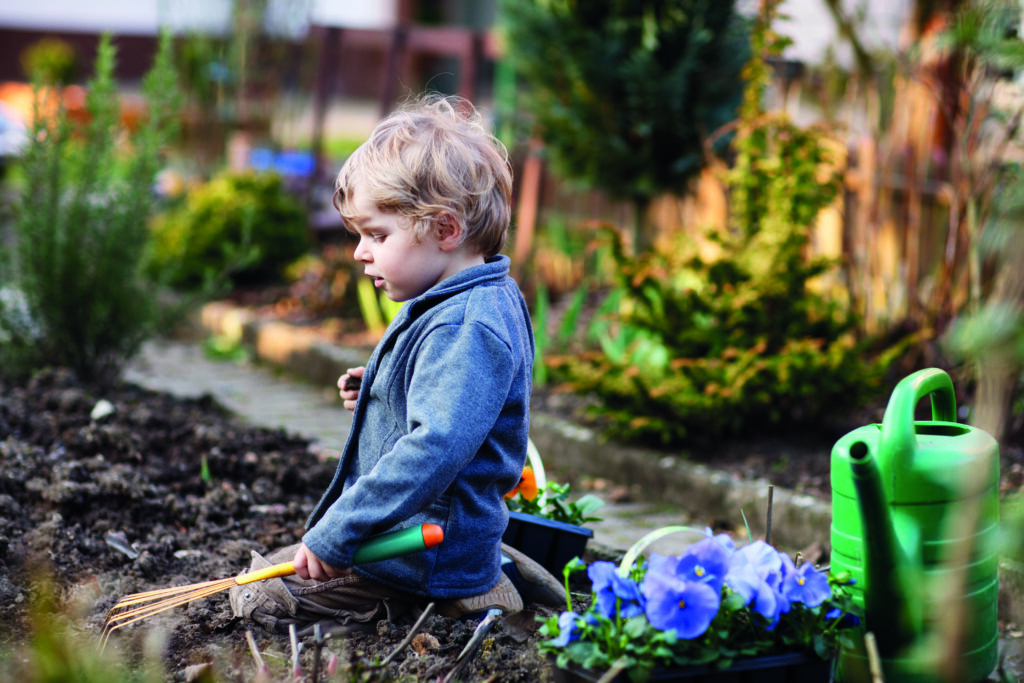
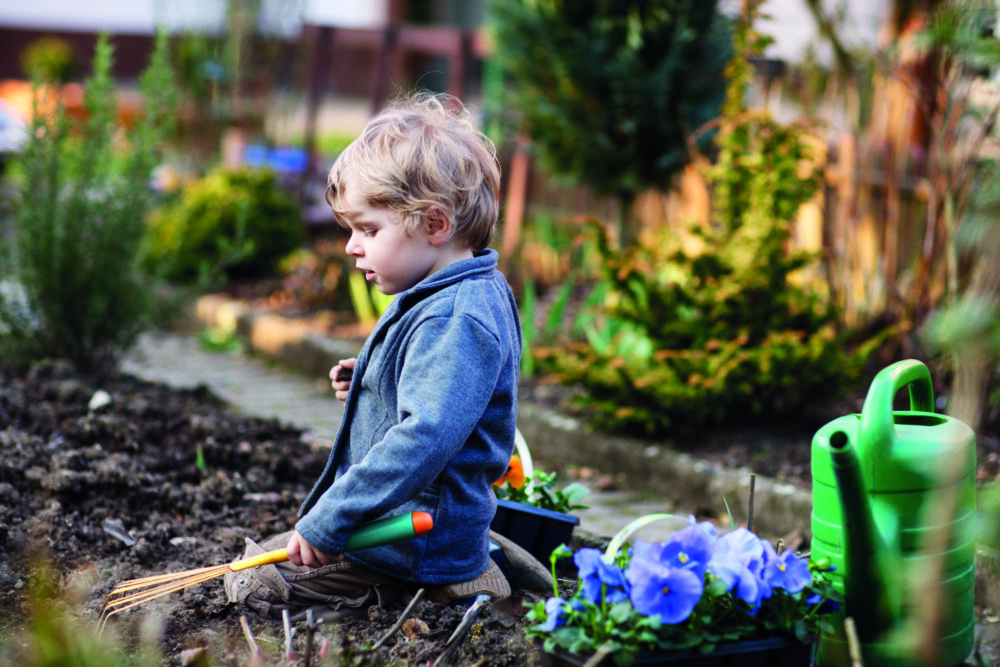
Over the last few months, I’ve been slowly, stubbornly clearing that land. There’s no team. No funding. Just one determined parent, a headlamp and a wheelbarrow that squeaks. And, slowly, things have changed. The pond is thriving. We’ve spotted frogs and smooth newts, and we watched birds come to drink. The fruit trees are pruned and producing again. The soil is tilled. Soon we will be building compost bins. A corner will be sectioned off for herbs. And in the middle of it all is a quiet idea that’s taken root:
What if this could be more than a personal project? What if this space could support other children—children like mine—to learn, explore, and reconnect with the natural world? So the allotment now has a name: the SEN Home Ed Sensory Garden. It’s still in progress, still taking shape, but it already holds a vision far bigger than weeds and soil. I want to create a safe, accessible, living classroom. A place where SEND children—especially those without school placements—can come to learn through their senses, reconnect with the earth, and experience the joy of discovery outside of formal education. There will be:
- Hens, to teach care and responsibility
- A sensory garden filled with herbs, soft plants, colours, and scents
- Beds for growing fruit and vegetables, where children can plant, harvest, and eat what they’ve grown
- Lessons in composting, bug hotels, and insect life
- Quiet corners for nature watching, journaling, or just being still
We’ll talk about food and where it comes from. We’ll learn how a seed becomes a salad. How worms turn waste into soil. How silence isn’t empty—it’s full of sounds we’ve forgotten how to hear. This isn’t about replacing school. It’s about honouring a different kind of learning—one that many SEND children are deeply attuned to, but rarely given access to.
What I’m building is more than a garden. It’s a response. A place for every child who’s been told “No”. A response to every phone call that ends with “we’re full.” Every meeting where I’ve had to prove my child is worthy of inclusion. Every moment of guilt, doubt, or burnout—all too familiar to families walking this path.
This garden isn’t perfect. It’s scrappy, uneven, and full of the kinds of small imperfections that make life interesting. Just like our children. But it’s theirs. It’s ours. And it’s growing. If you’ve ever been told your child doesn’t fit—this garden is for you. If you’ve ever wondered how you’ll make it through the next week—this space is yours. And if you believe, like I do, that every child deserves somewhere to belong, I hope you’ll follow this journey. Maybe even be part of it. Because when the system says “no”, we plant anyway.