












Val Jones on publishing inclusive story and picture books.
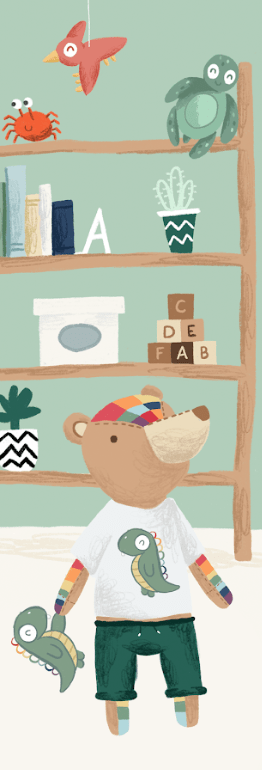
With almost 1 in 5 children experiencing SEND, it is essential to include within children’s literature a diverse range of needs so that all children and young people can feel valued and represented as they are. Finding themselves represented in a story or picture book character gives children a sense of acceptance, belonging and confidence. Inclusive stories and picture books help children develop empathy for one another, encourage understanding and appreciation of diversity, and enhance self-esteem for all children.
Building your collection of inclusive books can help libraries and other settings do the same. When looking for literature with a particular child or need in mind, gather a selection of books if you can. This way you can find the book that best suits your child, setting or theme. Visit libraries, and if the library does not have the books you are looking for, ask if they can order them. You may find there is an inclusion and diversity budget, and that your suggestions may help the library or setting to build their collection of inclusive books.
Inclusive authors may also see their books as potential teaching resources, and they may have developed class, group or individual activities that can be used alongside the story to enhance children’s self-esteem or their understanding of inclusive themes. A good place to look for these resources could be the author or publisher’s website, or look within the picture book itself.
Disability Book Week takes place in the last week of April each, and encourages everyone to read a book that features characters with disabilities. To help readers find books for a range of needs, including medical conditions, mobility aids, prosthetics, multiple disabilities, autism, ADHD, learning needs, hearing impairment, visual impairment, skin conditions, service animals and more, these is a List of Recommended Children’s Picture Books compiled by ‘sensitivity readers’ for Disability Book Week. Many other inclusive book lists are available through publishers of all sizes, and also from independent authors of inclusive books, such as Dr. Lindsey Larsen’s Interactive List of Children’s Books for Disability Awareness.
As these inclusive book lists help indicate, over recent years, there has been a much-needed growth in inclusive books and picture books for children and their families and friends to access. The authors of these books may often be people with lived experience of SEND, their parents or carers, or professionals working in the field of SEND of their literature.
Busy educators focussing on the here-and-now of creating, teaching and recording engaging lessons, may find that sharing their creations beyond their own setting may not easily make it to the top of their to-do list. Yet, for those who can find the time, there are opportunities to diversify into inclusive publications, books for children and accompanying SEND teaching resources.
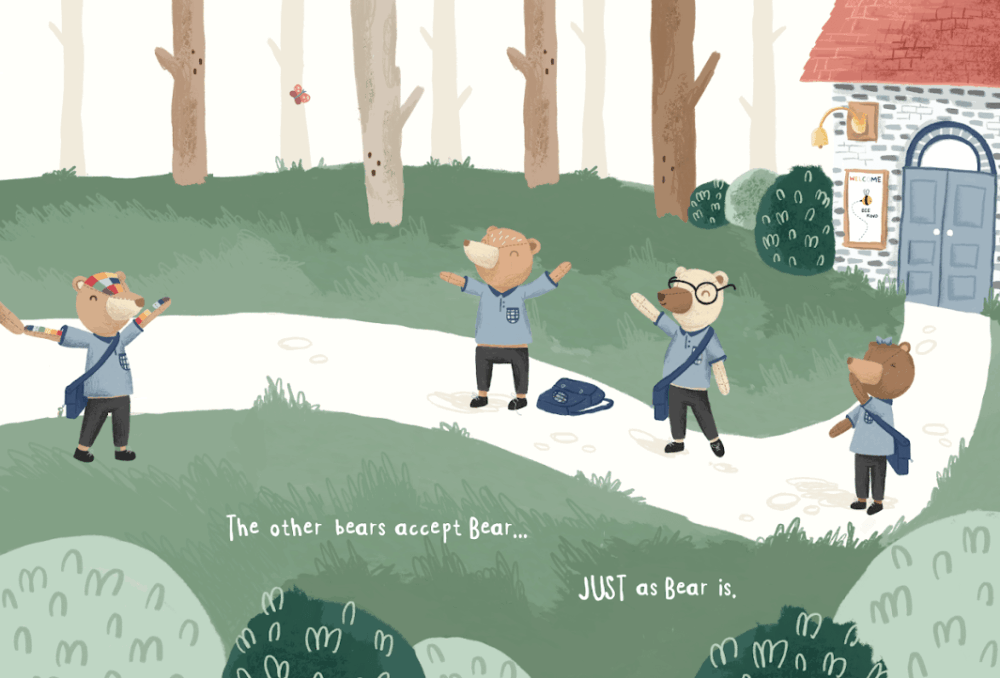
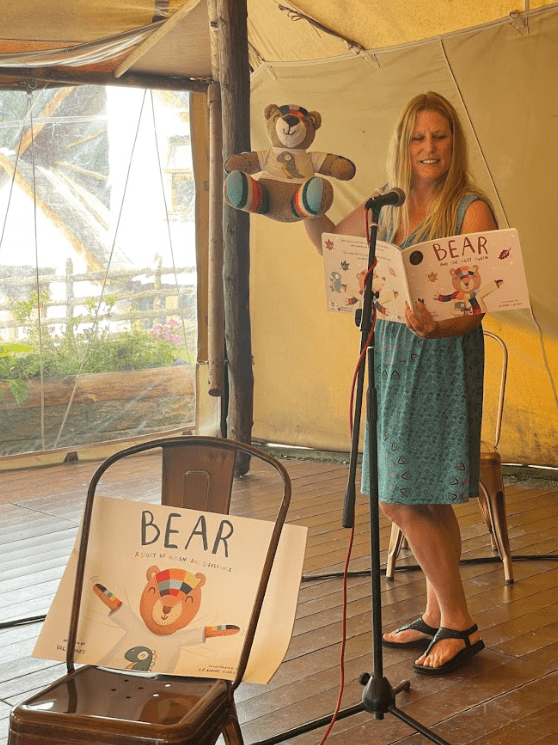
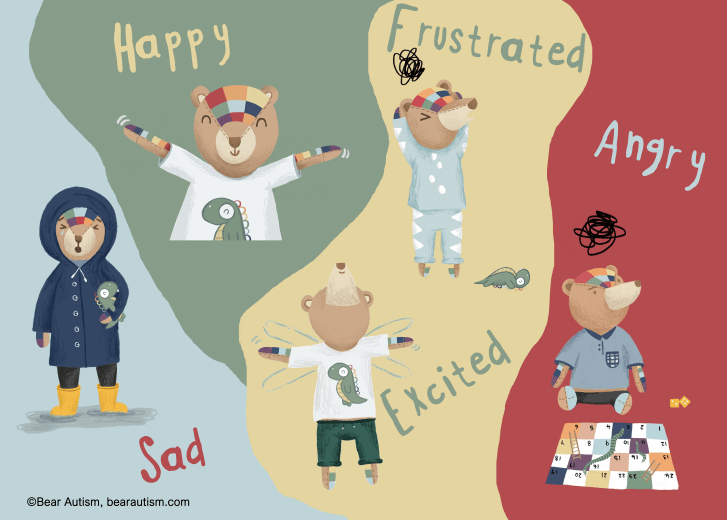
Potential new inclusive publications may be just around the corner. It could be something that as a parent or educator you have already created to help your child or a group of children. In my own experience as an Advisory Teacher for Autism, this occurred for me when I needed to write an assembly lesson about autism for early years children as part of a school’s Inclusion Week. To help make the information accessible to young children, the idea of using a teddy bear with autism emerged. This soon developed into a story about Bear for the assembly, which I recognised as a potential picture book. When this eventually came to fruition, it was such a joy to see children relate to Bear’s first picture book, Bear: A Story of Autism and Difference, and it led to further Bear stories in the series too.
Having realised the potential of your creation, getting your story or picture book out there may be a more challenging and time-consuming step. For publication, you would need to consider whether you wish to seek traditional publishing or whether you may venture into various forms of self-publication. Traditional publishing may be beneficial for the printing, distribution, and possible advertising of your work by the publisher, particularly if the publisher has a SEND focus, such as Jessica Kingsley Publishers.
Self-publishing can be very personalised. You can choose your own illustrator and printing company, and you may be very actively involved in the layout of each page, potentially even doing this yourself. You may even discover a new skill or pastime using technology such as Photoshop. Self-publishing may give you wider options for you to market your work and for developing it further, such as through educational resources and activities, theatre, puppets, stationery and more.
You may find a small publishing company interested in collaborating with you to publish your work. There is also the option of self-publishing through a large corporation or printing facility such as Amazon. All of these options have different implications for authors in relation to illustration, promotion, diversifying of stories, characters, or concepts, and any income or royalties that may be payable to the author.
If I’ve inspired you to write your own inclusive book or to develop something you have already created into an inclusive story or picture book, please get in touch. It is great connecting with like-minded people and sharing journeys.