























Vaughan Lingwood sees a flexible future for education infrastructure.
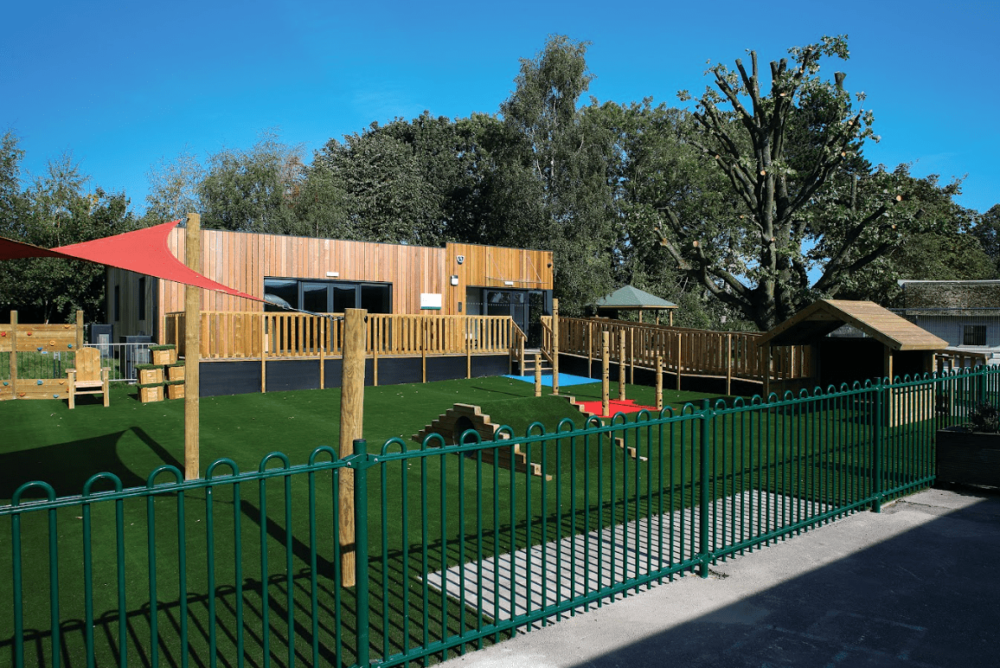
Schools have always been spaces of growth and adaptation, but what happens when the physical buildings themselves need to evolve—quickly? Whether it’s a growing student body, changing educational needs, or tighter budgets, schools today face a lot of pressure to do more with less. Modular classrooms are gaining traction as one answer to these issues. Unlike traditional construction, modular buildings are generally constructed off-site in controlled environments and then transported and assembled on location. This method drastically reduces construction time, minimises disruption, and offers a couple of additional benefits.
So, what does this mean for schools? It could mean a fully operational classroom ready in weeks rather than months—a game-changer when attempting to address urgent space needs (it’s almost always urgent when children are involved). Imagine a scenario where a nearby school closure leads to overcrowding at another. Traditional building projects might take years to complete, leaving teachers, students, and parents to navigate cramped spaces in the meantime. Modular buildings offer a quick, efficient alternative to this traditional trickiness. The off-site construction process hugely reduces noise, dust, and heavy machinery on school grounds—a massive plus for educators, parents, and students alike.
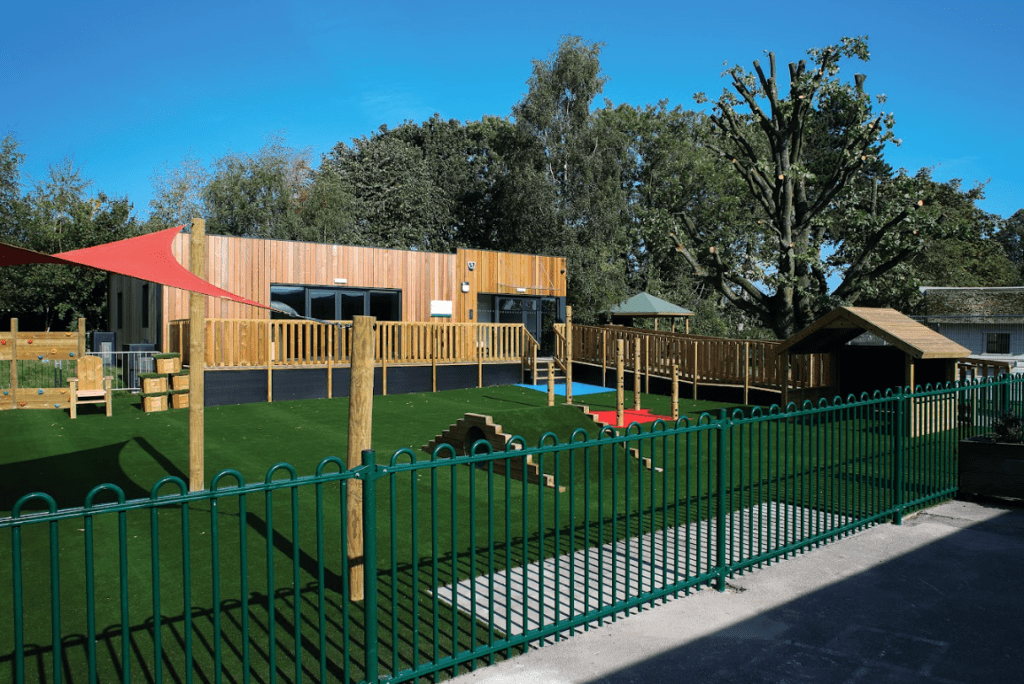
Traditional construction can be disruptive in a school environment, with the constant hum of machinery and workers, the clatter of tools, and the dust that can’t help but spread throughout the area. For educators, this can create a challenging environment where teaching and learning compete with the chaos of a building site, which is particularly tricky, as educational environments threaten to be challenging and chaotic on even a good day. For parents, construction can raise concerns about safety and their children’s overall experience at school.
Modular construction eliminates much of this disruption. Since most of the building work happens off-site in a controlled factory environment, the impact on the school is dramatically reduced. Once the modules are ready, they’re delivered, often during off-peak hours, and assembled quickly and efficiently. The result: minimal noise, less time spent with construction vehicles coming and going, and a cleaner, safer environment for everyone involved.
This approach is especially beneficial in schools with younger children or those catering to students with SEN, who may be particularly sensitive to loud noises, sudden changes or chaotic environments. The ability to construct classrooms off-site and assemble them quietly means these students can continue their routines uninterrupted—a crucial factor for their comfort and learning experience. Moreover, this reduced disruption also benefits administrative staff. With traditional builds, administrators often need to coordinate complex logistics, from rearranging class schedules to rerouting students away from construction zones. Modular construction simplifies these challenges, allowing school leaders to focus on education rather than project management.

The quieter, cleaner, and safer process of modular construction ensures that students and staff can continue their day with minimal interference, making it an ideal choice for schools prioritising both progress and peace. And modular buildings are increasingly eco-friendly. Many designs now incorporate sustainable features like solar panels, rainwater harvesting systems, and high-performance insulation, enabling schools to reduce energy consumption and lower their carbon footprint. For educators aiming to foster environmental awareness, these eco-classrooms can serve as both a functional space and a teaching tool.
One of the common preconceptions (or rather misconceptions) of modular buildings suitability to SEND projects is that of archaic prefab walls, floors and ceilings which are ‘paper’ in structure and aesthetic; neither being a great support to a SEN classroom or study environment. However, modular building has moved on a long way since then and we see modular working in classrooms and SEN units across the country.
Modular classrooms can be designed to meet the specific needs of SEN students, such as providing quiet spaces for students who need to focus, or sensory rooms for students who need to regulate their emotions. SEN Units can also be designed with a modular build infrastructure to provide specialist facilities such as hydrotherapy pools, sensory rooms or occupational therapy rooms. So modular classrooms offer a practical, adaptable, and eco-friendly solution to many of the challenges schools face today. Whether it’s addressing overcrowding, creating SEN-friendly spaces, or promoting sustainability, modular buildings provide a way to expand and innovate without the long timelines and disruptions of traditional construction. As schools continue to evolve to meet the needs of their students and communities, modular classrooms stand out as a flexible and forward-thinking option for shaping the future of education.