


















Nicci Trounson on the game-changing effects of mindfulness in school. In light of the incorporation of mindfulness provision in EHCPs, educational and health organisations would be well advised to employ qualified mindfulness teachers.
Responding empathically and non-judgmentally to the needs of children with special needs requires significant effort from teachers and caregivers. Mindfulness can help. Mindfulness-trained teachers exhibit lower blood pressure, fewer depression symptoms, increased compassion and empathy, reduced distress and improved teaching effectiveness, according to a study in the Journal of Educational Psychology.
Mindfulness is about being present, and paying attention to our thoughts, our sensations, feelings, and the world around us. When we take a moment to step back and observe our thoughts as if we’re watching a movie, it helps us gently let go of any immediate reactions we might feel. This lovely practice allows us to engage with our experiences more compassionately and without judgments. It helps us to see if we’re feeling balanced, or if something might need extra care.
A mindfulness toolkit in education includes paying attention, self-esteem, metacognition, coping with stress, sense of well-being, concentration, compassion, and emotional self-regulation.
Self-regulation is the ability to understand and manage one’s behaviour and reactions to feelings and events around oneself. Attention and self-regulation can be underestimated, but they are essential tools for self-care, personal development, and a healthier lifestyle. Developing the ability to focus is beneficial regardless of whether you have attention deficit disorder, and being aware of one’s feelings during a task improves well-being by enhancing regulation and self-discipline.
Metacognition is a powerful tool for everyone, as it involves observing our thoughts. This helps us learn more about our cognitive (thinking and reasoning) processes and it helps us understand how we learn. Learners with SEN need more support to achieve metacognition than others. It comprises knowledge, regulation and motivation.
Understanding that our brain is not fixed and that its structure and function constantly reshape based on experience (neuroplasticity) is encouraging. Mistakes help our brain to grow. Some children face challenges like perfectionism, which triggers difficult emotions.
Research suggests mindfulness enhances cognitive abilities and fosters emotional connections like rationality, kindness, and compassion. Mindfulness reduces activity in brain areas linked to anxiety, hostility, worry, and impulsivity.
Learning and teaching mindfulness
Once children grasp basic mindfulness, it becomes second nature and integrates into all aspects of their social lives, from sports teams and clubs to casual social interactions. Self-regulation, adaptability, stress management, and relationship-building are truly enrich lives. In my 10 years experience at domestic abuse refuges, I’ve seen the challenges and impact of dysregulated and dysfunctional behaviour. By learning and cultivating key mindfulness practices in a calm environment, when faced with tough emotions or social situations, people can develop a ‘well’ of balance, strength, insight, and calmness to rely on. Mindfulness practices and principles can be implemented in schools as an element of any lesson—the teacher creates the weather in the classroom and can learn to be mindful and cultivate mindfulness.
What happens in mindfulness lessons
Using mindfulness curricula as a foundation, my colleague Nicole and I offer small group sessions for pupils in years 7-9 to promote learning and skill-building through mindfulness, social-emotional learning, multi-sensory activities, regulation zones, vocabulary expansion, self-esteem, and a growth mindset. Having a regular routine helps children anticipate activities and reduces anxiety. Our sessions follow a predictable pattern, using visual aids on the whiteboard to outline the steps involved in the session. We warmly greet children at the door, asking them for one word or a longer answer before they enter. This is usually related to the current lesson focus. For example, we might ask Name a choice you have made today. As they enter, Nicole offers them a picture and word affirmation card with her infamous catchphrase, Pick a card, any card, which adds a fun element. Positive affirmations can help overcome self-doubt, boost self-esteem, and develop a strong self-worth. These affirmations serve as reminders of our inherent value and potential. The cards feature beautiful artwork, including some fun animal designs that the children really like.
A focus activity, such as a pencil maze, optical illusion challenge, or spot-the-difference activity, is on their desks when they sit down. Individual interest areas are taken into account. We start with a little check-in at the beginning of each session. We like to mix things up during this time by sometimes using the Zones of Regulation visual, exploring the Blob Feelings Tree, or even chatting about the weather of their mood. It’s important to be curious about what each experience means to a child, as this curiosity helps us understand and affirm their feelings. Here’s an example of an EHCP statement that the lesson check-in supports: A staff member whom T trusts will check in with him daily. T should use a visual prompt to express his feelings verbally or by pointing.
Settling
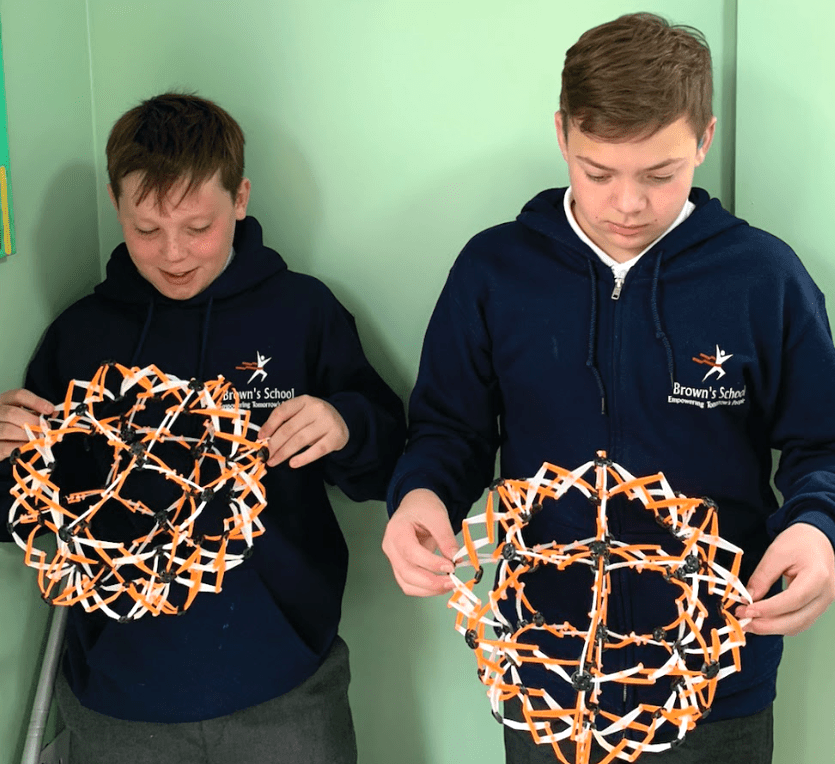
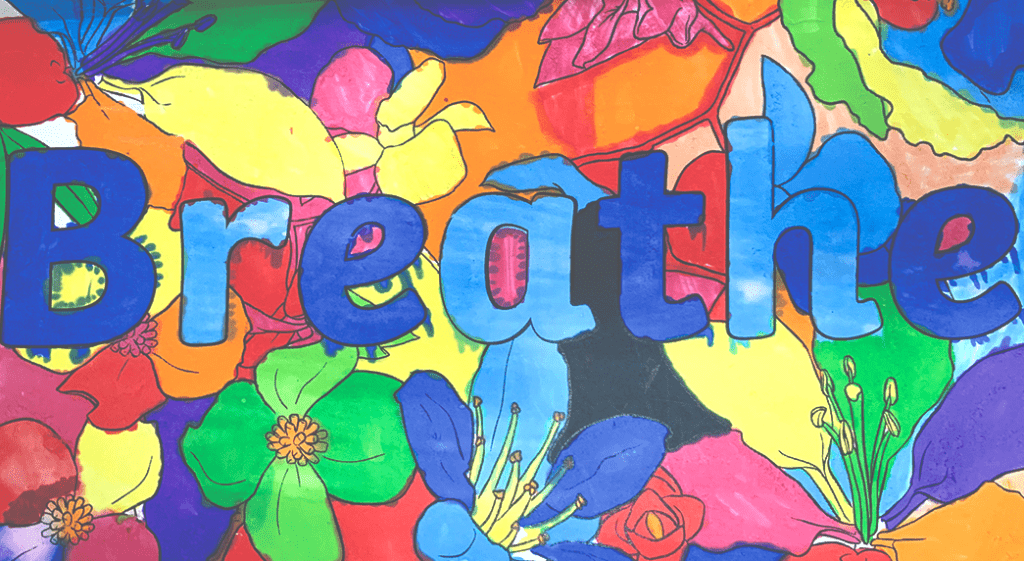
We ring a bell that produces a sustained note and vibrates gently, encouraging children to listen and raise their hands when they can no longer hear it. I explain what we are doing and how we are carefully noticing and paying attention, which is mindful. This can be connected to sensory activities like listening and tasting. Everyone is invited to participate in a mindfulness practice, typically one introduced during the lesson, such as petal breathing, pawsB or 7:11 (inhale for 7 seconds and out for 11. Noticing our breathing, being curious, noticing mind wandering and bringing it back. FOFBOC—Feet On Floor, Bottom on Chair is a short practice that helps to ‘anchor’ the lower half of the body by feeling the feet on the floor, the weight of the body on the chair, and the sensations of breathing. Anxiety and sensory overload often impact children with special educational needs (SEN). Anxiety triggers the fight or flight response, impairing thinking and communication. Stress can lead to chest breathing or hyperventilation, making the issue worse. Mindful breathing techniques can effectively disrupt this cycle but require time to practice and develop. If a child has difficulty focusing on their breathing, another part of the body can serve as an ‘anchor.’ For example, they can focus on their feet. The breathing ball (or Hoberman sphere) is one of our favourite calming tools because it uses fine motor skills while encouraging deep, relaxing breaths.
Back to our senses
In Year 7 children explore senses, engaging in visual, auditory, and kinaesthetic experiences, which create memorable learning. Through movement games such as shake and freeze, they contrast moving and stillness; they discover personal space and respect others’ space. We introduce ‘the brain’ and nervous system, and children learn about the prefrontal cortex, which is involved in focusing, decision-making, and calming down during stress; the hippocampus, which is responsible for memory; the insula, which helps recognise and respond to bodily states; and the amygdala, known as the ‘guard dog’ of the brain which is helpful in some situations, however, it can be activated when we are under stress and cause reactivity without thinking. An amygdala hijack refers to a loss of control.
Dealing with difficulty
When someone understands how the amygdala activates under stress, it creates a pause in consciousness and awareness. During this pause, strategies such as breathwork or movement can support self-control and lead to a more mindful and skilful response.
Having a wobble: I have observed children feeling upset and remorseful or berating themselves after overreacting or causing hurt when losing control of their emotions. Mindfulness provides an opportunity to reduce suffering by teaching about different moods and the rational and emotional aspects of the brain. This process warmly encourages self-empowerment and nurtures the kindness we show to ourselves.
Wobble boards and Weeble toys are fun ways to support learning how to find ways to steady ourselves. Also standing up, closing our eyes, and noticing the gentle ‘wobble’ inside of us as our bodies keep us upright.
A fantastic way to explore the difference between a feeling and a reaction is to hold an ice cube. Pay attention to the thoughts that come to mind and the sensations you’re experiencing in your body. It might feel a little uncomfortable, but remember, it’s completely safe! If discomfort increases, take a few deep breaths and gently relax your hand and arm. Notice how the ice cube feels as it melts in your hand. Did you feel an urge to drop it? Observe how your feelings perhaps change over time.
The power of noticing
Noticing requires more than attention. It means distancing ourselves from our thoughts. We all encounter negative thoughts, not always facts, but unwelcome guests that arrive unannounced and linger. These thoughts can distract us, often causing doubt or fear anxiety. Mindfulness teaches children to observe their thoughts without reacting or being defined by them. This practice allows thoughts to pass by like clouds or buses, helping children develop the skill of mindfulness and recognising the mind as a storyteller. We take a closer look at habits and dive into the language and processes that surround them, exploring the difference between healthy and unhealthy ones and understanding what shapes our habits. Also, we may explore the habits we have in our daily lives and if our minds have habits such as worrying. Time is spent noticing and naming body sensations and learning to link them to specific emotions; following a practice, children may share aloud which body sensations they noticed, such as warmth, shaking, tightness, pain or tingling.
Choices
Self-control and autonomy (self-rule) are essential needs that can be addressed in the classroom by providing structured choices. This supports children who are demand-avoidant or oppositional For example, offering a choice of colouring pens, a handwriting pen or typing, or selecting an activity they prefer. In mindfulness practice, options include keeping eyes open or closed, sitting or standing. Children learn to make choices, linking this to skilled behaviour choices.
We play games that encourage and develop attention and interactive participation, both indoors and outdoors. These include ball games, circus skills, mindful walking, scavenger hunts, and popping bubbles outside. Progress can take several weeks or months and often happens through small steps. Since only some activities suit everyone, we offer different levels of movement and choices. We also play the Pelmanism game (matching pairs) to learn key words, which supports speech and language.
Adding some competition through games builds resilience to disappointment, which we need throughout life—to sit with an uncomfortable feeling and to help with coping mechanisms to push through that adversity, children need to be able to do this.
Storytelling: many stories offer valuable life lessons at every level. Fables, myths, and therapeutic stories are excellent for helping children develop a deeper understanding and, hopefully, a shift into relationship and acceptance of themselves and others. These stories can also boost self-esteem and self-confidence. Although Mindfulness is non-religious and secular, it has its roots in the wisdom of all faiths so there is so much to draw from. We also provide education on neurodiversity and offer ‘read aloud’ YouTube clips along with general videos for children who struggle to maintain their attention or process auditory narratives.
Music acts like a gentle guide, helping us connect with our feelings, reactions, and even sensations in our bodies. It can wrap us in a cosy blanket of peace, spark our excitement, or alert us to danger. To explore how music communicates emotions, we can ask How does this music make you feel? Do you find it pleasant or unpleasant? Additionally, exposure to different types of music can foster tolerance and flexibility, recognising that everyone is different and there are no right or wrong answers. Neurodivergent children experience the world differently, yet they share the same emotional needs. Managing executive functioning challenges and sensory processing difficulties increases stress, which must be approached sensitively. Celebrating neurodivergent strengths and fostering environments that accommodate challenges and joy is essential.
Our aim is to establish the learning in our sessions by using various teaching methods. A single visit to a learning objective can be memorable in the short term, but embedding the knowledge, understanding, and skills takes more experience. I’m consistently surprised by how lengthy some learning processes can be, and it’s a privilege to have the responsibility, time and scope to work on these areas with children and young people.