



















Children with invisible difficulties, or with masked, unmet or undiagnosed needs, may be the ones who benefit most from a school’s wellbeing culture, argues Andrew Cowley.
Wellbeing can be both a strategy and an attitude, bought into by adults and children. Schools need to decide on their definition of mental health wellbeing in their context, to reflect their cohorts, community and culture. A whole school approach should also embrace a whole child approach. Working holistically doesn’t put mental health and wellbeing in a box on its own, but recognises that it sits alongside, astride and within safeguarding, attendance, behaviour and learning. The holistic approach will also recognise that SEND children may have poorer attendance than their peers and be more vulnerable to physical and emotional bullying. They may have less awareness of risk, particularly in the misuse of digital devices. They may be at greater risk of being groomed or exploited. Establishing a holistic approach can allow the school to be flexible in its mental health and wellbeing thinking to make adjustments to meet wellbeing needs. Such a practice will also allow a number of protective factors to become part of a positive and supportive culture, the key factor being the positive relationship that the young person has with the adults in the school.
Respect the student voice. A young person’s views need to be considered in EHC plans, but further time and support around the use of positive language can help build emotional literacy and the language our vulnerable children need to express their feelings and to know when to ask for help. Structured environments, consistent routines and visual timetabling will be familiar to support learning, but in wellbeing terms they provide certainty, security and familiarity and can reduce anxiety. Clear communication through visual aids, avoidance of idiomatic language and also allowing additional time to allow a child to process and respond can avoid cognitive overload, a factor in triggering stress. Leadership opportunities can build confidence and self-esteem. These can also help children trust and feel trusted and help language development. For SEND children, the chance to lead playground games, act as an eco-monitor or be a Mental Health Ambassador can give them a sense of value, responsibility and self-worth. Consider social connectedness, for example by developing sociograms which allow an analysis of peer relationships within a class or group. This is a useful tool for recognising if a child is socially isolated and vulnerable to bullying. Encourage self-regulation. Don’t keep mindfulness activities and coping strategies for Wellbeing Wednesday. Teach these as routine and allow children the time to use breathing techniques and other mindful practices to independently manage and feel in control of their actions. Consider your behaviour policy and how the language used around behaviour and sanctions can impact our more emotionally vulnerable pupils.
Wellbeing interventions in practice
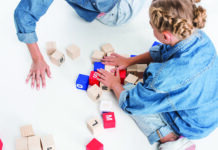
Every school will have colleagues who may think they “can’t” or “don’t” teach about wellbeing and mental health, usually because there’s so much to cover in the curriculum. However, a truly holistic approach, one that recognises that wellbeing is for everyday, will show that in fact they are acting upon the wellbeing needs of their children. Take a tricky primary school mathematics concept such as fractions, for example. The teacher has worked through some examples and set the children off to work independently. There will be a group who just get on with it, working quickly and confidently. There may be a group working with a teaching assistant offering specific support. Then there will be a group of children, who may include some of the SEND cohort, who start, but struggle. The teacher will sense this, bring them together, break out the manipulable materials, go through some misconceptions, identify where the error lies and maybe invite children to identify a deliberate teacher mistake. These children may not complete as much as their peers in the lesson, but the teacher, by taking time to support them will have given them confidence, a feeling of success and achievement.
Schools can develop their action planning around wellbeing and SEND through use of the THINK framework: Time, Holistic, Inclusive, Non-judgemental, Knowledgeable. Time: Be timely in planning interventions and support. Holistic: Consider the whole child and how wellbeing can help positive behaviour, improve attendance and progress. Inclusive: Addressing mental health and wellbeing needs as part of learning needs adds effectiveness to other interventions that support the needs of SEND children. Non-judgemental: challenge stigma around mental health and wellbeing that may be shown by adults and also by children. Knowledgeable: know your children, know their vulnerabilities, know their needs, know their strengths, know what makes them tick.